
Water damage guide
Water Damage Categories and Classes, Explained
The IICRC S500 water damage categories and classes in plain English: clean, gray and black water, and how evaporation classes shape drying plans.
Short answer
Short answer
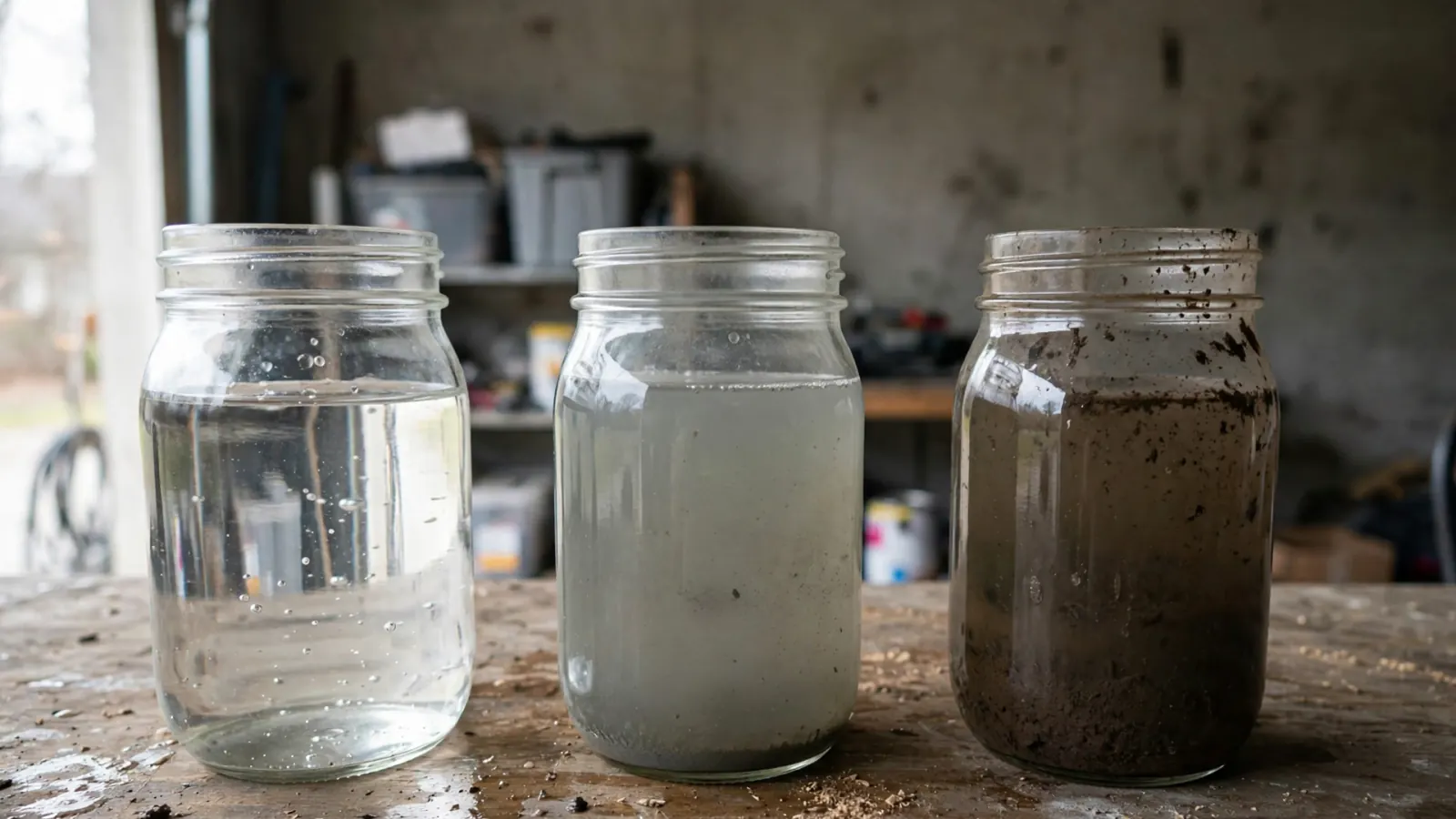
Restoration professionals describe water losses using the IICRC S500 standard. The category (1, 2 or 3) describes how contaminated the water is: from clean supply water to grossly contaminated sewage or flood water. The class (1 to 4) describes how much water is present and how hard materials will be to dry.
- Call (772) 218-9226
- Sewage & Toilet Overflow Cleanup
- Flood & Storm Cleanup
- Structural Drying
In this guide
- 1Categories: how contaminated is the water?
- 2Classes: how much evaporation is needed?
- 3Why it matters to you
Categories: how contaminated is the water?
Water can get worse over time: clean water that sits or travels through building materials can become Category 2 or 3.
| Category | Description | Typical sources |
|---|---|---|
| Category 1 | Clean water from a sanitary source | Broken supply line, faucet, ice maker line |
| Category 2 | Significant contamination ("gray water") | Washing machine or dishwasher discharge, toilet overflow with urine but no feces |
| Category 3 | Grossly contaminated ("black water") | Sewage, rising flood water, storm surge |
Classes: how much evaporation is needed?
| Class | What it means |
|---|---|
| Class 1 | Small area; little water absorbed by materials |
| Class 2 | Large area; water has wicked up walls and into carpet and pad |
| Class 3 | Water came from above; ceilings, walls, insulation and floors saturated |
| Class 4 | Specialty drying for low-permeance materials such as hardwood, plaster, concrete |
Dealing with this right now?
Call to be connected with an independent restoration company serving Fort Pierce and St. Lucie County.
Why it matters to you
Category drives what must be removed versus dried; class drives how much equipment and how many days are needed. Both affect the estimate and what your insurer will expect to see documented.
Related services
Services that go with this guide
Sewage Backup & Toilet Overflow Cleanup
Sewage backups and toilet overflows are Category 3 water.
Flood & Storm Water Damage Cleanup
Flood and storm cleanup in Fort Pierce: hurricane and king-tide flooding, Category 3 water, what must be removed, flood insurance and drying..
Structural Drying & Dehumidification
How structural drying works in Fort Pierce's humid climate: air movers, dehumidifiers, daily moisture readings and drying logs insurers expect..
Guides
Keep reading
- What to Do in the First 24 Hours After Water DamageA step-by-step checklist for the first 24 hours after a leak or flood in a Fort Pierce home: safety, stopping the water, documentation and drying.
- What Does Water Damage Restoration Cost in Fort Pierce?What affects the cost of water damage restoration in Fort Pierce: water category, square footage, materials, drying days, mold and rebuild.
- How Long Does Water Damage Take to Dry?How long water damage takes to dry by severity, why Florida humidity slows drying, and how moisture readings confirm a home is dry before repairs.
- Can Wet Carpet Be Saved?When wet carpet can be dried and kept, when the pad or carpet must go, and how water source and drying speed decide it under EPA guidance.
FAQ
Questions people ask
Still unsure? Describe the problem on the phone and you will be connected with a restoration company serving your area.
Is toilet overflow water Category 3?
If it contains feces, yes. A toilet overflow with only urine is often classed as Category 2. Clean water from a toilet supply line starts as Category 1.
Can Category 1 water become Category 3?
Yes. Over time, and as it contacts building materials and soil, clean water can degrade.
What are the three categories of water damage?
Category 1 is clean water, Category 2 is gray water with significant contamination, and Category 3 is grossly contaminated water such as sewage or flood water.
What is Category 1 water damage?
Water from a sanitary source, such as a broken supply line or faucet.
What is gray water?
Category 2 water with significant contamination, such as washing machine or dishwasher discharge.
What is black water?
Category 3 water: sewage, rising flood water and storm surge.
What are the four classes of water damage?
Classes 1 to 4 describe how much water is present and how hard drying will be, from small areas to specialty drying of dense materials.
What is Class 4 water damage?
Specialty drying situations involving low-permeance materials like hardwood, plaster and concrete.
Who created the water damage categories?
They are defined in the IICRC S500 standard for professional water damage restoration.
Why does the water category matter?
It decides what can be dried in place and what must be removed, and what safety precautions crews use.
Can clean water become black water?
Yes, over time and as it contacts building materials and soil.
Is AC condensate water clean?
It starts fairly clean but can pick up contaminants from the pan and building materials.
Is rainwater through a roof clean?
It often picks up contaminants from roofing and insulation; technicians assess each case.
Does the water class affect cost?
Yes. Higher classes need more equipment and drying time.
How do technicians decide the category?
From the source, how long the water sat and what it contacted.
Talk to a restoration company serving Fort Pierce
Free referral. No obligation to hire.