Skip to content

Fort Pierce, FL restoration help

(772) 218-9226
Water Damage Fort Pierce FL
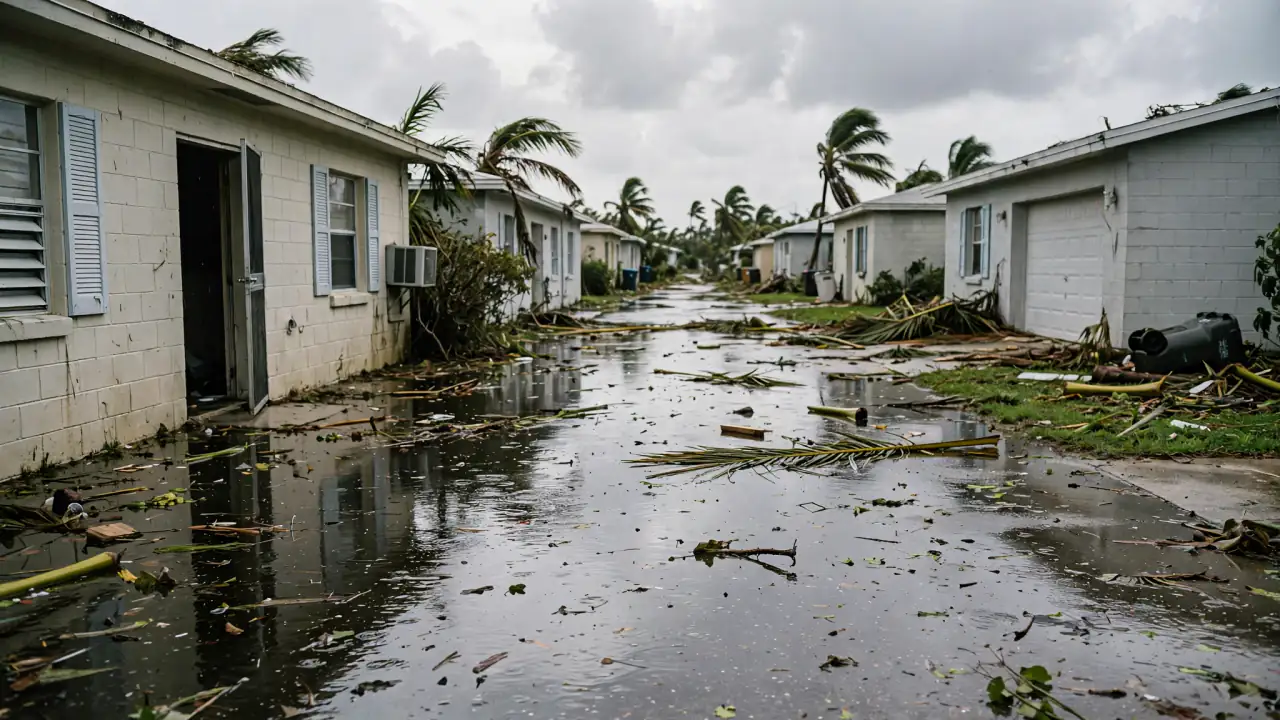
Flooded residential street with storm debris after a hurricane

Urgent · Fort Pierce, FL

Flood & Storm Water Damage Cleanup in Fort Pierce

Flood cleanup deals with water that entered from outside: storm surge, rising water, or heavy rain flowing in at ground level. Because it carries soil, bacteria and chemicals, it is treated as Category 3 (contaminated) water: porous materials it touched, such as carpet, pad, insulation and the lower portion of drywall, are typically removed rather than dried, and surfaces are cleaned and treated before drying begins.

Short answer

Flood & Storm Cleanup: the essentials

This page covers ground-level flood water. For water that came through the roof or around windows during a storm, see our roof leak page. In either case our referral line connects you with an independent restoration company; that company performs and prices the work.

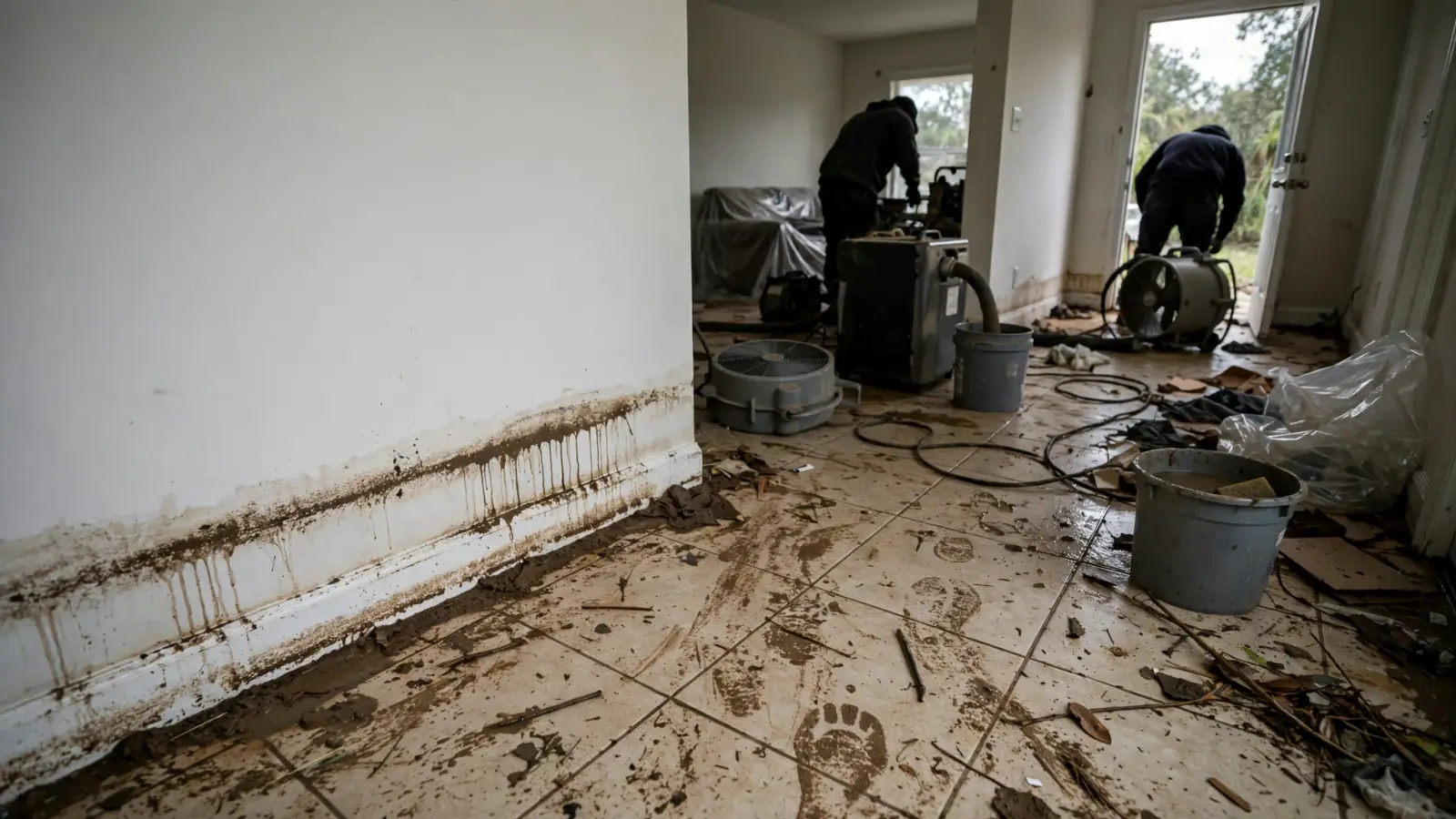
Mud line on a wall and silt across the floor after flooding

Overview

Understanding flood & storm cleanup

Fort Pierce has been through major storms before. Hurricanes Frances and Jeanne both came ashore near the southern end of Hutchinson Island just three weeks apart in 2004, and in October 2024 tornadoes spawned by Hurricane Milton's outer bands caused deadly damage in northern Fort Pierce. Storm events like these produce two different kinds of water damage: wind-driven rain through damaged roofs and openings, and rising water at ground level.

This page covers ground-level flood water. For water that came through the roof or around windows during a storm, see our roof leak page. In either case our referral line connects you with an independent restoration company; that company performs and prices the work.

Step by step

Step by step

What an independent restoration crew typically does, from the first call to a verified dry structure.

  1. 1

    Safety check

    Confirm power to flooded areas is off and the structure is safe to enter. Flood water can hide electrical hazards, sharp debris and displaced wildlife.

  2. 2

    Document everything

    Photograph the water line, every damaged item and the outside conditions before anything is moved. Flood insurance and homeowners claims are handled differently, and both rely on documentation.

  3. 3

    Remove water and debris

    Pumps and extractors remove water and silt. Contents are moved out and inventoried.

  4. 4

    Flood cut and remove porous materials

    Drywall is typically cut a set distance above the water line, and wet insulation, carpet and pad are removed and disposed of.

  5. 5

    Clean, treat, dry

    Remaining surfaces are cleaned and treated with appropriate antimicrobial products, then structural drying begins and is verified with moisture readings.

Before & after

Before and after: flood & storm cleanup

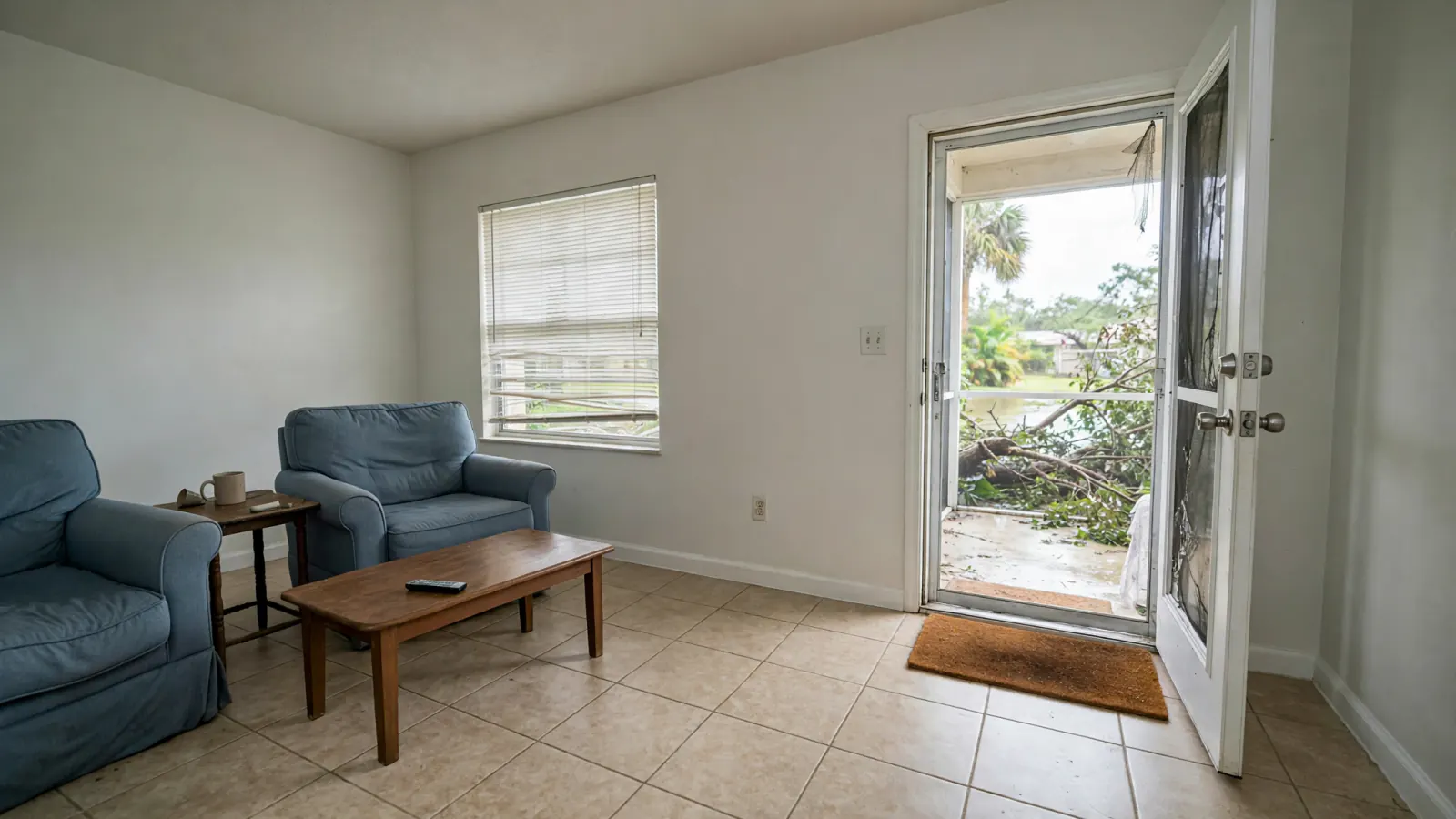
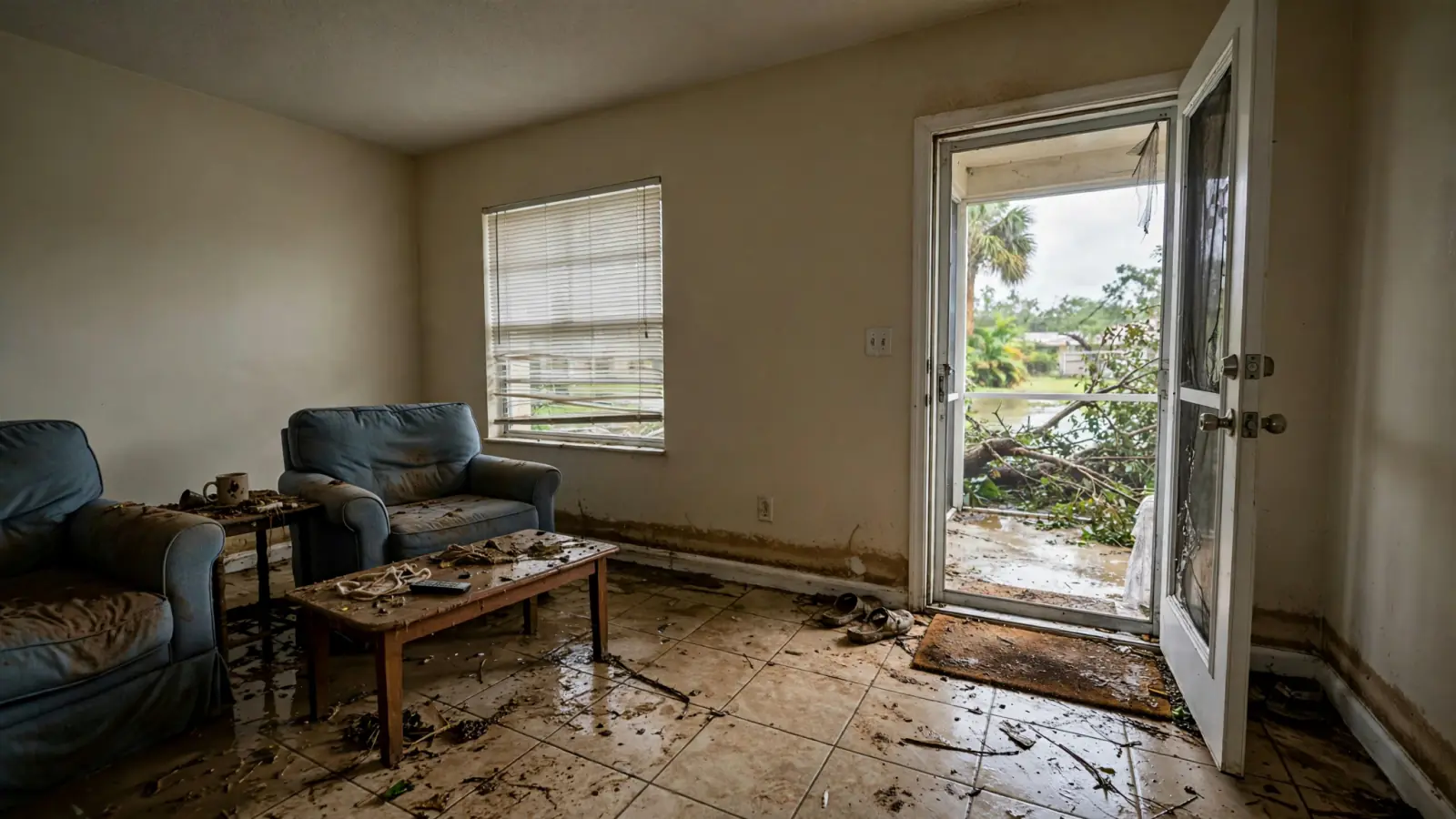
An example of flood & storm cleanup work, from the damaged room to the finished repair. The independent company you're connected with will explain its own plan for your property.

Drag the handle to compare

After: The same living room cleaned and repaired
Before: Mud and debris across a living room floor after storm flooding
BeforeAfter
Drag the handle or use the buttons to compare.

Water still coming in? Close the main valve, then call.

The first hours decide how much has to be torn out. A local restoration company can extract and start drying.

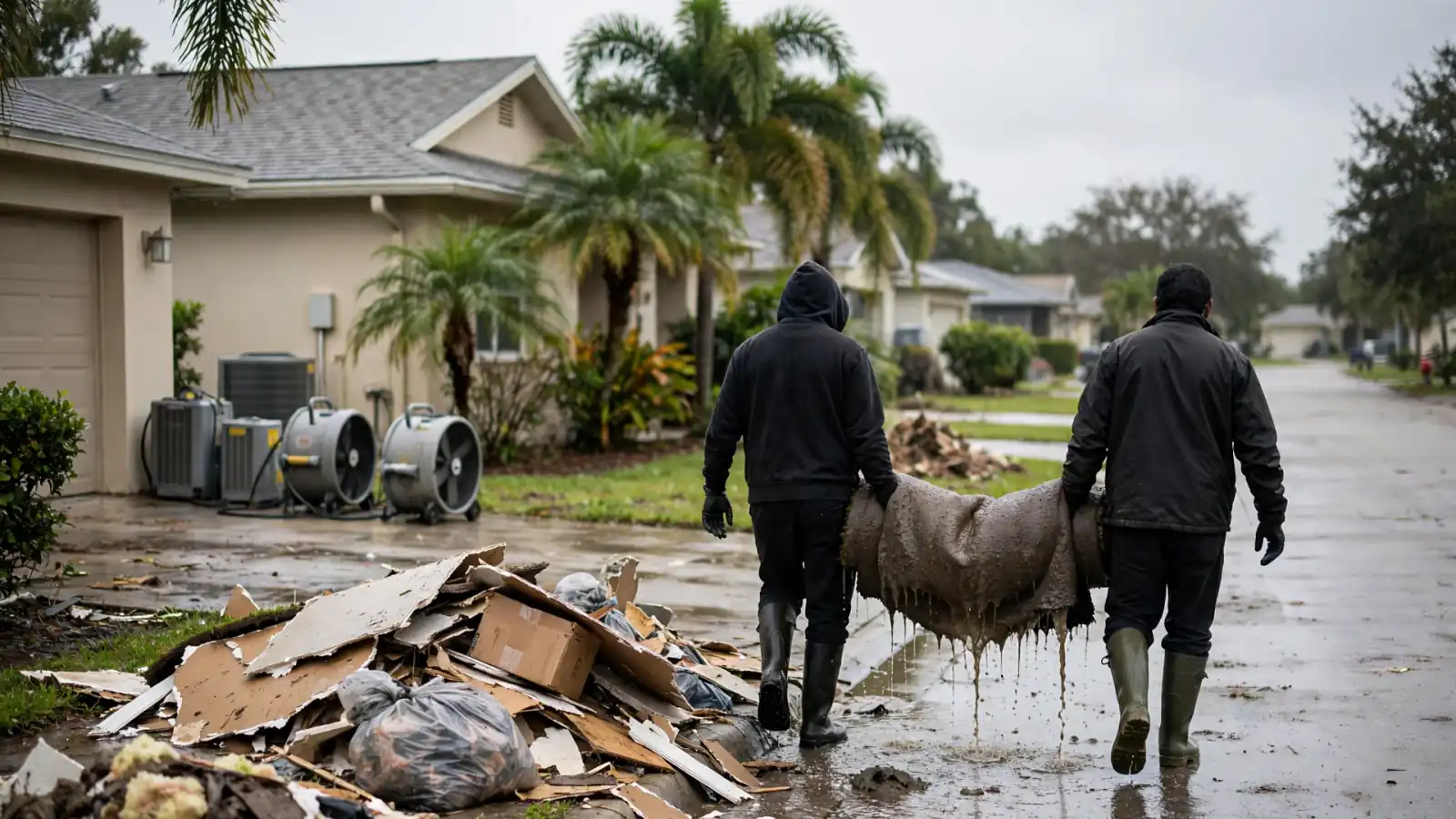
Workers hauling flood-damaged debris away from a home

Warning signs

Warning signs to watch for

  • Water entered at floor level from outside: under doors, through the garage, or up through drains
  • A visible water line on walls, furniture or cabinets
  • Mud, silt or debris left behind on floors
  • Wet insulation or soft, crumbling drywall at the bottom of walls
  • A sewage or fuel odor after the water recedes

Straight answers

Flood & Storm Cleanup: answers for Fort Pierce homeowners

?

What should I do after hurricane-related water intrusion?

Return only when officials allow it. Keep power off to wet areas, photograph everything, separate wind-driven rain damage from rising water, report the claim to your insurer and start extraction as soon as it is safe. Tarp roof openings and get drying started quickly.

?

Is storm surge covered by homeowners insurance?

Generally no. Storm surge and other rising water are treated as flood and are covered by a flood policy (NFIP or private). Wind and wind-driven rain through damaged openings are usually covered by the homeowners or condo policy, subject to the hurricane deductible.

?

What causes flooding in Fort Pierce?

The City of Fort Pierce identifies two main sources: short, intense rainfall during summer thunderstorms, and the heavy rain that accompanies coastal storms, tropical storms and hurricanes. Street flooding can also occur when drains or culverts are blocked, even outside mapped floodplains.

Cost factors

Cost factors

No honest company can price water damage without measuring it. These are the factors that move the number on a Fort Pierce job.

Read the Fort Pierce cost guide

Height of the water line

Determines how much drywall, insulation and cabinetry has to be removed.

Contamination level

Flood water requires protective equipment, antimicrobial treatment and disposal of porous materials.

Contents

Moving, cleaning, inventorying or disposing of furniture and belongings adds labor.

Regional demand

After a hurricane, every restoration company in the region is busy; scheduling and pricing can be affected.

Debris disposal

Dumpster and disposal fees depend on how much material is removed.

Insurance & details

Flood insurance, wind coverage and documentation

After a tropical storm, many Fort Pierce properties have two kinds of damage on one claim file: wind or wind-driven rain, which is usually covered by the homeowners or condo policy, and rising water, which is usually covered only by a flood policy. Documenting the water line on walls and the condition of the roof and openings helps the adjusters separate the two.

New NFIP flood policies generally have a 30-day waiting period before coverage begins, with limited exceptions, so flood coverage has to be in place well before a storm is forecast. If you are unsure what you have, your declarations pages list each coverage and deductible, including any hurricane deductible.

Rebuilding in a flood zone

If your property is in a Special Flood Hazard Area and the damage is extensive, local floodplain rules may require the repaired building to meet current elevation and construction standards. Ask the City of Fort Pierce or St. Lucie County floodplain staff before you start major repairs, and keep receipts and estimates, which are used in substantial-damage determinations.

Elevating electrical outlets, using water-resistant materials on lower walls, and moving equipment such as water heaters and air handlers off the floor where practical are common ways to reduce damage next time. A licensed contractor can advise what is feasible for your building.

Safety first

Treat all flood water as contaminated. Wear waterproof boots and gloves, keep children and pets away, and do not run gas generators indoors or in an attached garage.

Call (772) 218-9226

Related services

Often needed alongside this service

Emergency Water Removal & Extraction

Emergency water extraction in Fort Pierce: what to do first, how standing water is removed from tile, carpet and slabs, and how drying starts..

Roof Leak & Ceiling Water Damage

Water stains, sagging ceilings and wet attic insulation after a Fort Pierce roof leak or storm: what to do first, drying, repairs and insurance..

Sewage Backup & Toilet Overflow Cleanup

Sewage backups and toilet overflows are Category 3 water.

Mold Remediation

Mold remediation across St.

Where we connect callers

Flood & Storm Cleanup in Florida and St. Lucie County

Referrals cover Fort Pierce and nearby St. Lucie County communities. The state page covers Florida rules; each city and area page explains local conditions and which government handles repair permits.

FAQ

Flood & Storm Cleanup: questions people ask

Still unsure? Describe the problem on the phone and you will be connected with a restoration company serving your area.

Is flood damage covered by homeowners insurance?

Usually not. Most homeowners policies exclude damage from surface or rising flood water; that is covered by a separate flood policy through the NFIP or a private insurer. Wind-driven rain through a damaged roof is often handled under the homeowners policy instead. Read your own policy or ask your agent.

Why does drywall have to be cut out after a flood?

Flood water is contaminated, and drywall and insulation are porous. Once they have absorbed flood water they cannot be reliably cleaned, so restoration crews remove them to a height above the water line and clean and dry the framing behind.

How soon can cleanup start after a hurricane?

Only when authorities say it is safe to return and the structure is safe to enter. In the meantime, photograph damage from a safe position and contact your insurer.

Can I get help with flood cleanup in nearby communities?

Yes. Referrals cover Fort Pierce and nearby St. Lucie County communities including Port St. Lucie, Lakewood Park, Hutchinson Island South and others, subject to the provider's availability.

Do I need a permit to rebuild after a flood?

Often yes for structural, electrical and plumbing work. In flood zones, substantial damage rules can also apply. Check with the City of Fort Pierce or St. Lucie County building departments before rebuilding.

Can flood-soaked furniture be saved?

Solid wood and metal items can often be cleaned and disinfected. Upholstered furniture, mattresses and particleboard that absorbed flood water are usually discarded.

How do I check my property's flood zone?

Use FEMA's Flood Map Service Center or contact the City of Fort Pierce's Community Rating System coordinator, who can help identify flood hazards for a specific property.

Should I report blocked storm drains?

Yes. The City of Fort Pierce asks residents to report localized drainage problems to Public Works and keep yard debris out of storm drains.

Who cleans up a flooded house in Fort Pierce?

Water damage restoration companies handle flood cleanup, from extraction to removal of contaminated materials and drying. Call the number on this page.

What does FEMA say about flood cleanup?

FEMA and the NFIP advise documenting damage, contacting your insurer promptly and removing wet materials quickly to limit mold. Follow local safety guidance first.

How high should drywall be cut after a flood?

Above the highest wet reading or water line, so the cavity can be cleaned and dried. The exact height depends on the readings.

Can I clean flood water myself?

Flood water is contaminated. Protective gear, disposal of porous materials and professional drying are strongly recommended.

How long after a flood does mold start?

Materials that stay wet beyond roughly 24 to 48 hours can start supporting mold, faster in Florida's heat and humidity.

What happens if I don't have flood insurance?

Rising-water damage generally isn't covered by homeowners policies. Federal disaster assistance may be available after declared disasters, but it is limited.

Should I throw away food touched by flood water?

Yes. Discard food and anything that touched flood water unless it is in a sealed, waterproof container that can be disinfected.

Other main services

Water, fire, mold and biohazard restoration

Fire Damage Restoration

Fire damage restoration across St.

Mold Remediation

Mold remediation across St.

Biohazard Cleanup

Biohazard cleanup across St.

Guides

Guides worth reading first

Talk to a restoration company about flood & storm cleanup

Free referral to an independent company serving Fort Pierce and St. Lucie County. No obligation to hire.

Call (772) 218-9226