What counts as biohazard cleanup?
Cleanup of blood, bodily fluids, decomposition, sewage, animal waste and other potentially infectious material, including disposal of regulated waste.
Water, fire, mold & biohazard referral line for Fort Pierce & St. Lucie County, FLFort Pierce, FL restoration help
Urgent · St. Lucie County, FL
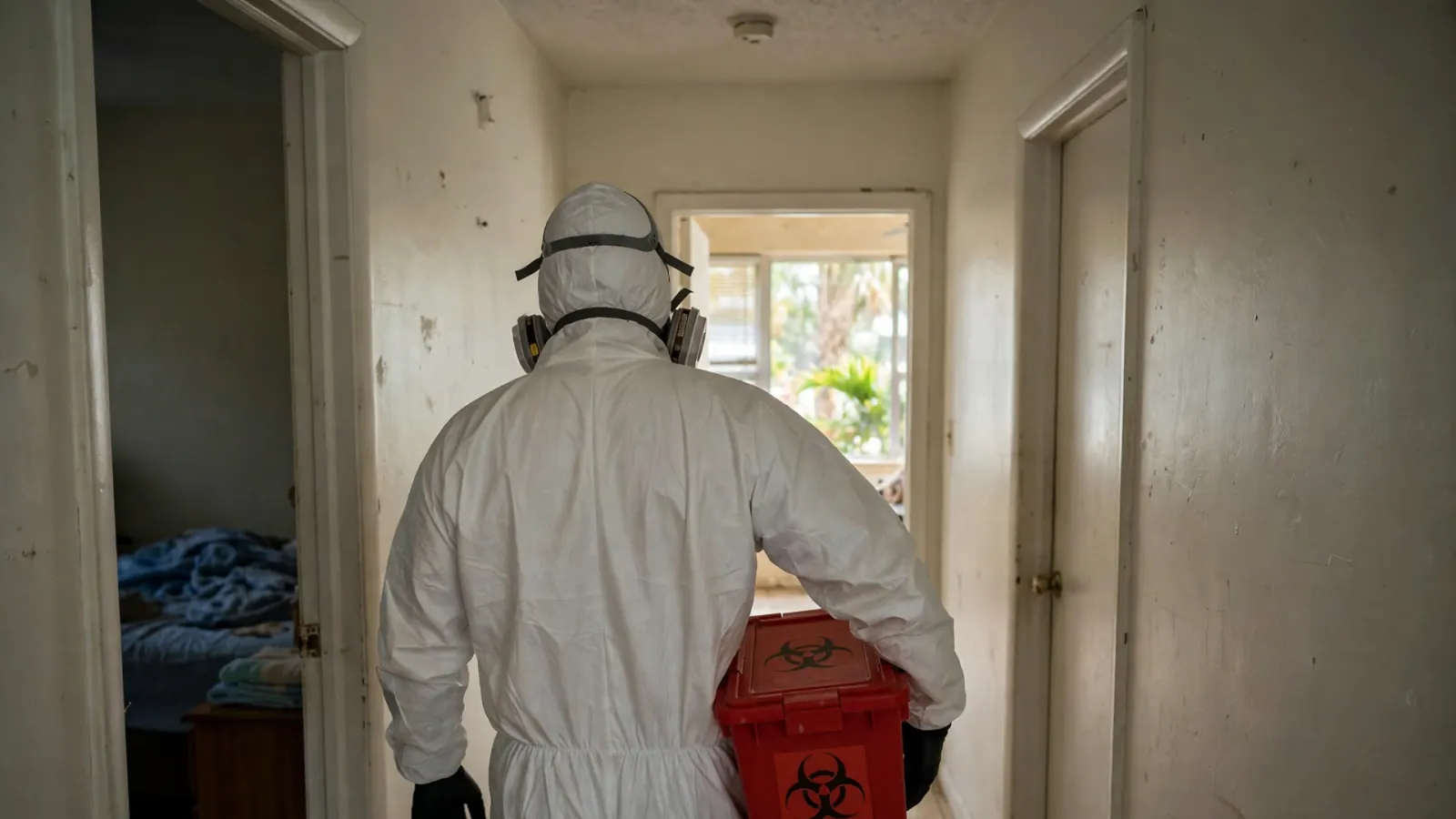
Biohazard cleanup removes and disposes of blood, bodily fluids, sewage and other potentially infectious material, then cleans and disinfects the affected area so it is safe to use again. It is specialist work: crews use protective equipment, follow OSHA's bloodborne pathogens rules and must handle regulated waste according to Florida Department of Health requirements.
Urgent · Call now
One call to (772) 218-9226 connects you with an independent biohazard cleanup company that serves Fort Pierce & St. Lucie County. Tell them what happened and they can arrange a visit to assess the damage and get the work started. Every hour matters: the sooner the work starts, the less of your home has to be removed.
You are never obligated to hire the company you are connected with.
Short answer
Professional crews contain the area, remove contaminated materials such as carpet, pad and drywall where fluids soaked in, clean and disinfect hard surfaces, and treat odor at its source. Waste that meets Florida's definition of biomedical waste must be packaged, labeled and transported under state rules.
Biohazard Cleanup services
Trauma and crime scene cleanup in Fort Pierce after a death, suicide, injury or crime, done discreetly once released.
Hoarding cleanup in Fort Pierce: respectful sorting, removal, biohazard and pest cleanup, and repairs.
Overview
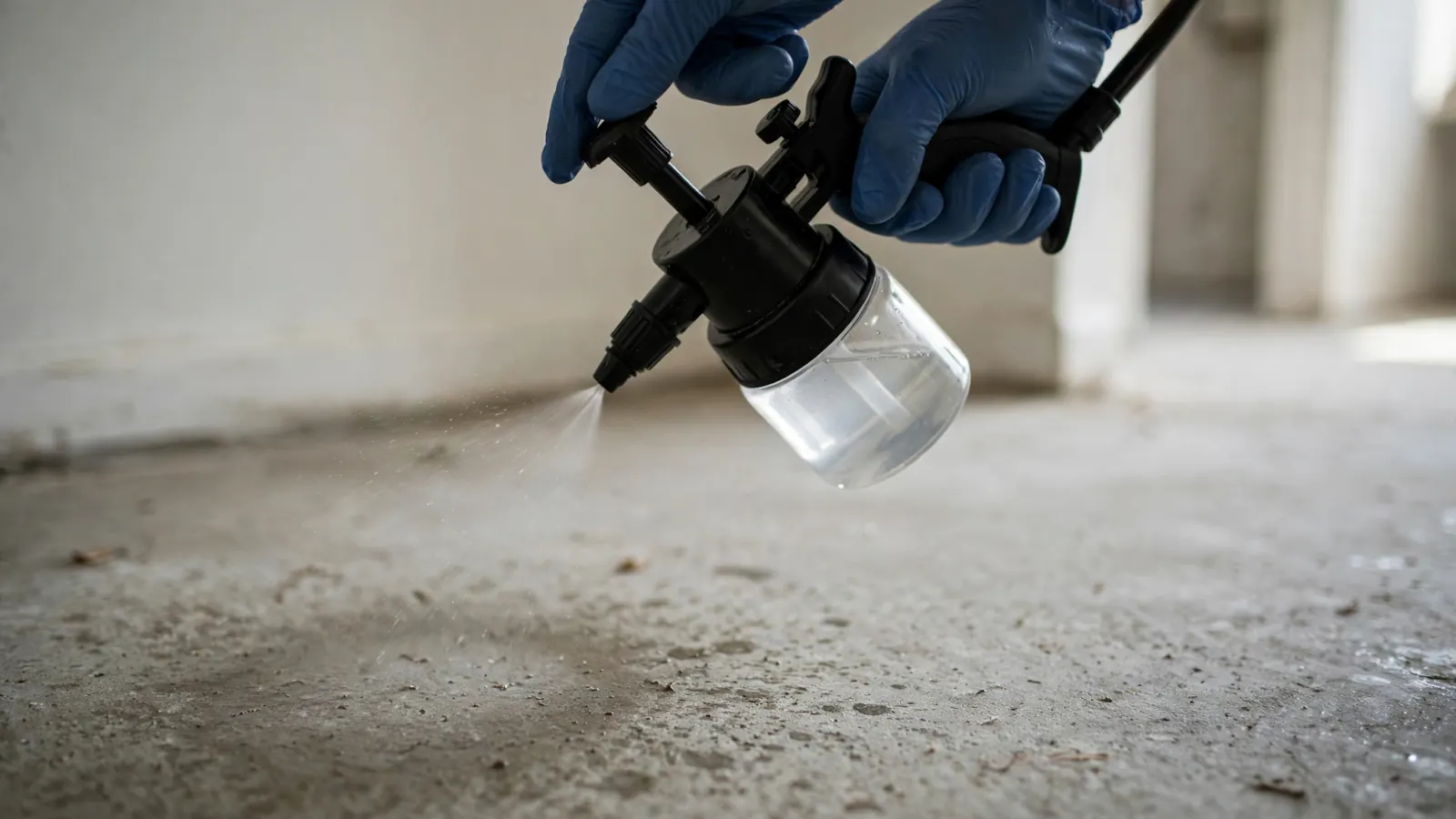
Biohazard cleanup covers situations most people never expect to face: a death that went undiscovered, an injury or crime scene, a hoarded home, or contamination from sewage or animals. In each case, ordinary cleaning products and household methods are not enough, and the people closest to the situation should not have to do the work.
Professional crews contain the area, remove contaminated materials such as carpet, pad and drywall where fluids soaked in, clean and disinfect hard surfaces, and treat odor at its source. Waste that meets Florida's definition of biomedical waste must be packaged, labeled and transported under state rules.
This is sensitive work. A good company explains the plan plainly, works discreetly, and coordinates with insurance or other payers where they apply.
Common causes
When a death is not discovered for some time, fluids and odor can spread into flooring, subfloor and walls.
Injuries, suicides and crimes can leave blood and fluids that require removal after authorities release the scene.
Accumulated items, food waste, animal waste and pests can create unsafe conditions and hidden damage.
Sewage backups and rodent, bird or bat infestations leave contamination that needs specialist cleanup.
Step by step
What an independent restoration crew typically does, from the first call to a verified dry structure.
The crew evaluates the scene, identifies hazards and explains what will be removed, cleaned and disposed of.
The area is sectioned off, and workers wear protective equipment appropriate to the hazard.
Contaminated porous materials are removed and regulated waste is packaged for disposal.
Hard surfaces are cleaned and then disinfected with appropriate products, following label contact times.
Odor is addressed at the source, and the area is checked before being returned to use.
Before & after
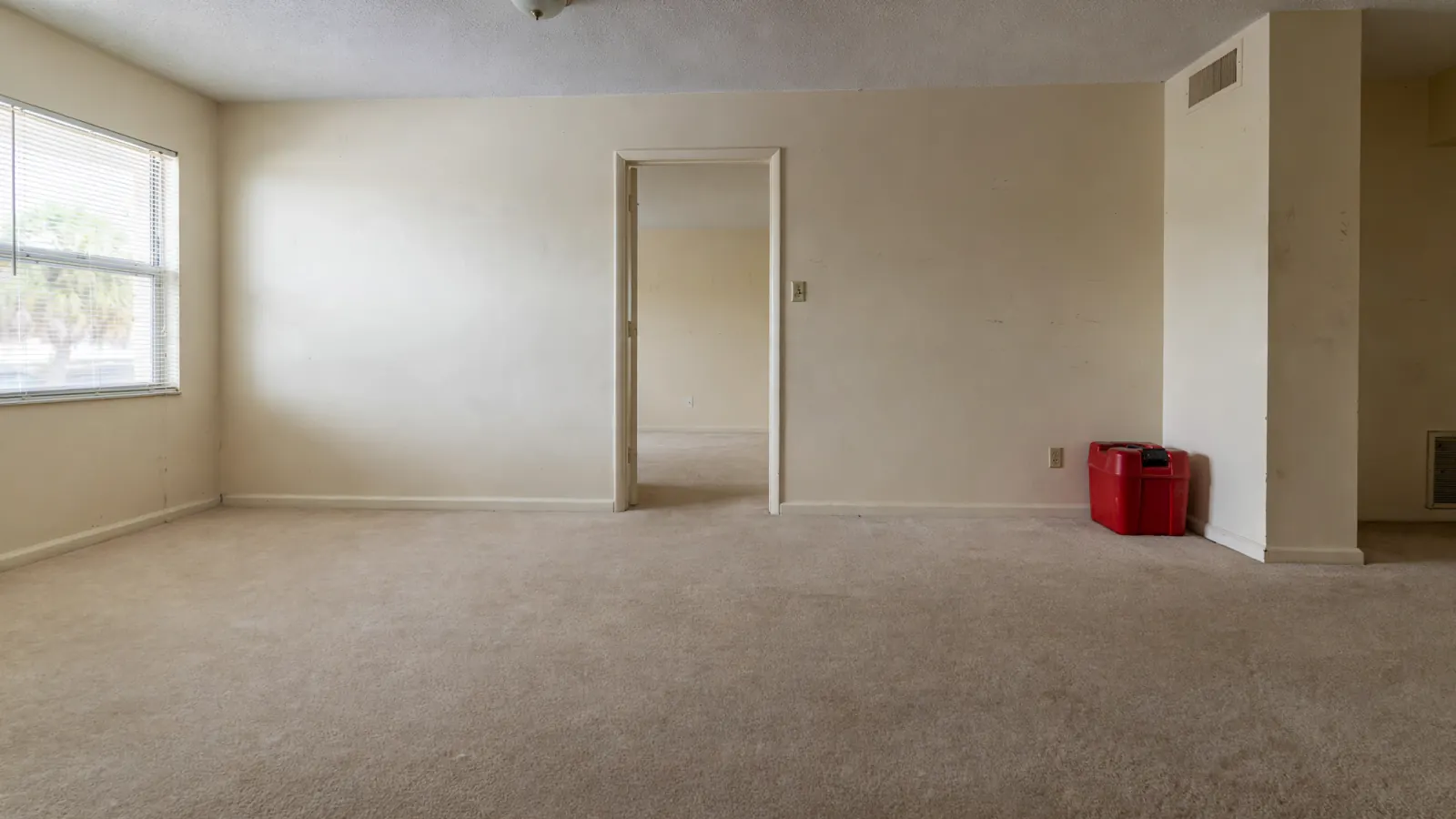
An example of biohazard cleanup work, from the damaged room to the finished repair. The independent company you're connected with will explain its own plan for your property.
Drag the handle to compare
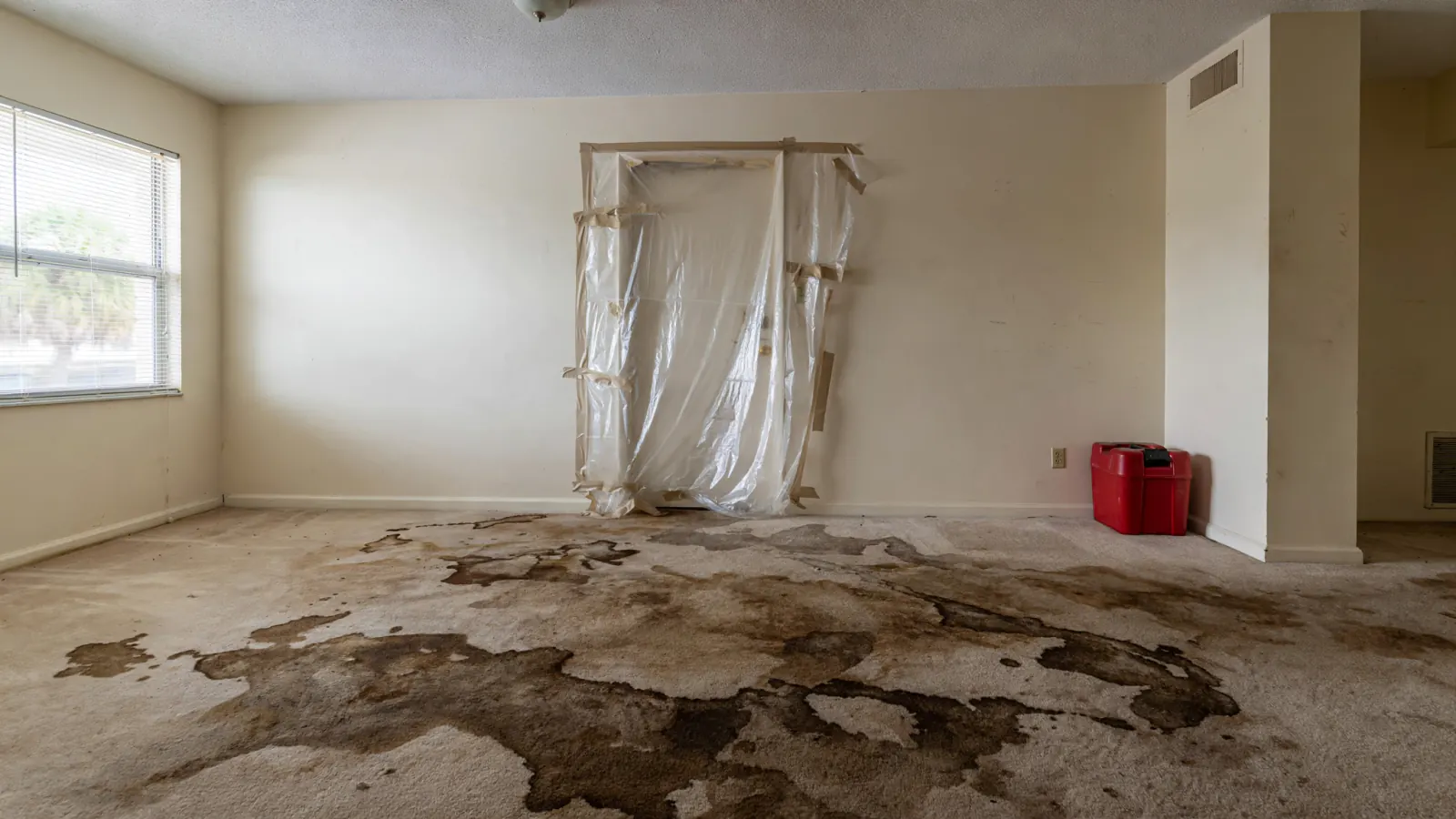
The first hours decide how much has to be torn out. A local restoration company can come out, extract the water and start drying.
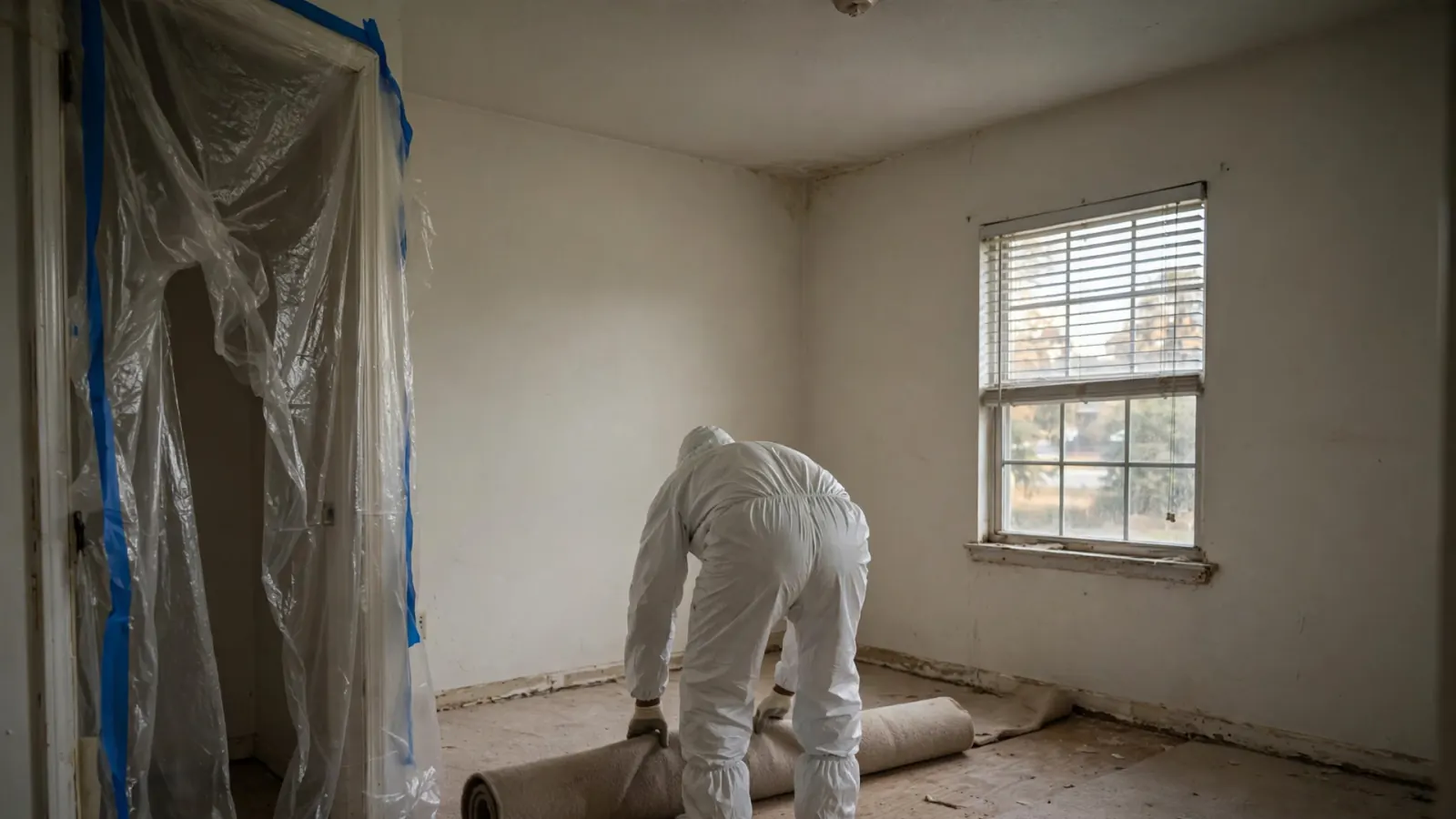
Warning signs
Straight answers
Cleanup of blood, bodily fluids, decomposition, sewage, animal waste and other potentially infectious material, including disposal of regulated waste.
It depends on the situation. Some homeowners policies cover cleanup after a covered loss, and some crime victims may be eligible for help through the Florida Attorney General's Crime Victim Compensation program. Ask your insurer and the program what is covered.
It is strongly discouraged. Bodily fluids can carry pathogens, and fluids often soak deeper than they appear. Professionals have the equipment and disposal arrangements to do it safely.
Waste that meets the definition of biomedical waste is regulated by the Florida Department of Health and must be packaged, labeled and handled by permitted transporters and facilities.
Safety first
Do not attempt to clean blood or bodily fluids yourself without training and protection. If the scene involves a death or crime, do not disturb it until law enforcement has released it. Keep children and pets away from the area.
Related services
Trauma and crime scene cleanup in Fort Pierce after a death, suicide, injury or crime, done discreetly once released.
Hoarding cleanup in Fort Pierce: respectful sorting, removal, biohazard and pest cleanup, and repairs.
Sewage backup and toilet overflow cleanup in Fort Pierce: removal, disinfection and drying of Category 3 water.
Mold remediation in St.
Where we connect callers
Referrals cover Fort Pierce and nearby St. Lucie County communities. The state page covers Florida rules; each city and area page explains local conditions and which government handles repair permits.
FAQ
Still unsure? Describe the problem on the phone and you will be connected with a restoration company serving your area.
Call the number on this page to be connected with an independent company that handles biohazard cleanup in Fort Pierce and St. Lucie County.
After the medical examiner and law enforcement have released the scene, if they were involved. Once released, prompt cleanup limits odor and damage.
Sometimes. Coverage depends on the cause and your policy. Call your insurer and ask how they handle biohazard cleanup after the specific event.
Crime scene cleanup is one type of biohazard cleanup. Biohazard cleanup also covers unattended deaths, hoarding, sewage and animal contamination.
Protective equipment suited to the hazard, typically disposable suits, gloves, eye protection and respiratory protection.
Usually, once all affected materials are removed and the source is cleaned, disinfected and if needed sealed. Masking with fragrance does not remove it.
If fluids soaked into carpet, pad or subfloor, those materials are typically removed because they cannot be reliably disinfected.
Reputable companies work discreetly. Ask about unmarked vehicles and how they communicate with neighbors if that matters to you.
Usually not for the whole job. You or a representative will need to authorize the work and provide access.
Worker protection falls under OSHA's Bloodborne Pathogens Standard, and regulated biomedical waste is overseen by the Florida Department of Health.
A small, recent incident may take hours. An unattended death with subfloor contamination or a large hoarding job can take days.
Yes, hoarding cleanup is one of the biohazard services covered here. See the hoarding cleanup page for how that work is approached.
Yes. Sewage is Category 3 water and contains pathogens. See the sewage cleanup page for how it is handled.
Call (772) 218-9226. You will be connected with an independent biohazard cleanup company that serves St. Lucie County. Tell them what happened and they can arrange a visit to assess the damage and start the work.
The company asks a few questions about the damage, then arranges a visit to inspect it, explain its plan and get the work started. You decide whether to hire them.
Many restoration companies answer emergency calls around the clock, but availability depends on the company and on demand, especially after storms. Call as soon as you can and say how urgent it is.
Other main services
Water damage restoration in St.
Fire damage restoration in St.
Mold remediation in St.
Guides
One call connects you with an independent biohazard cleanup company serving St. Lucie County. No obligation to hire.