
Restoration guides for Fort Pierce homeowners
Guides for Fort Pierce homeowners on water damage, leak prevention, flood zones, mold, fire recovery and biohazard cleanup, built on official sources.
13 guides
Water damage
What happens after a leak, how drying works, and how to spot damage you cannot see.
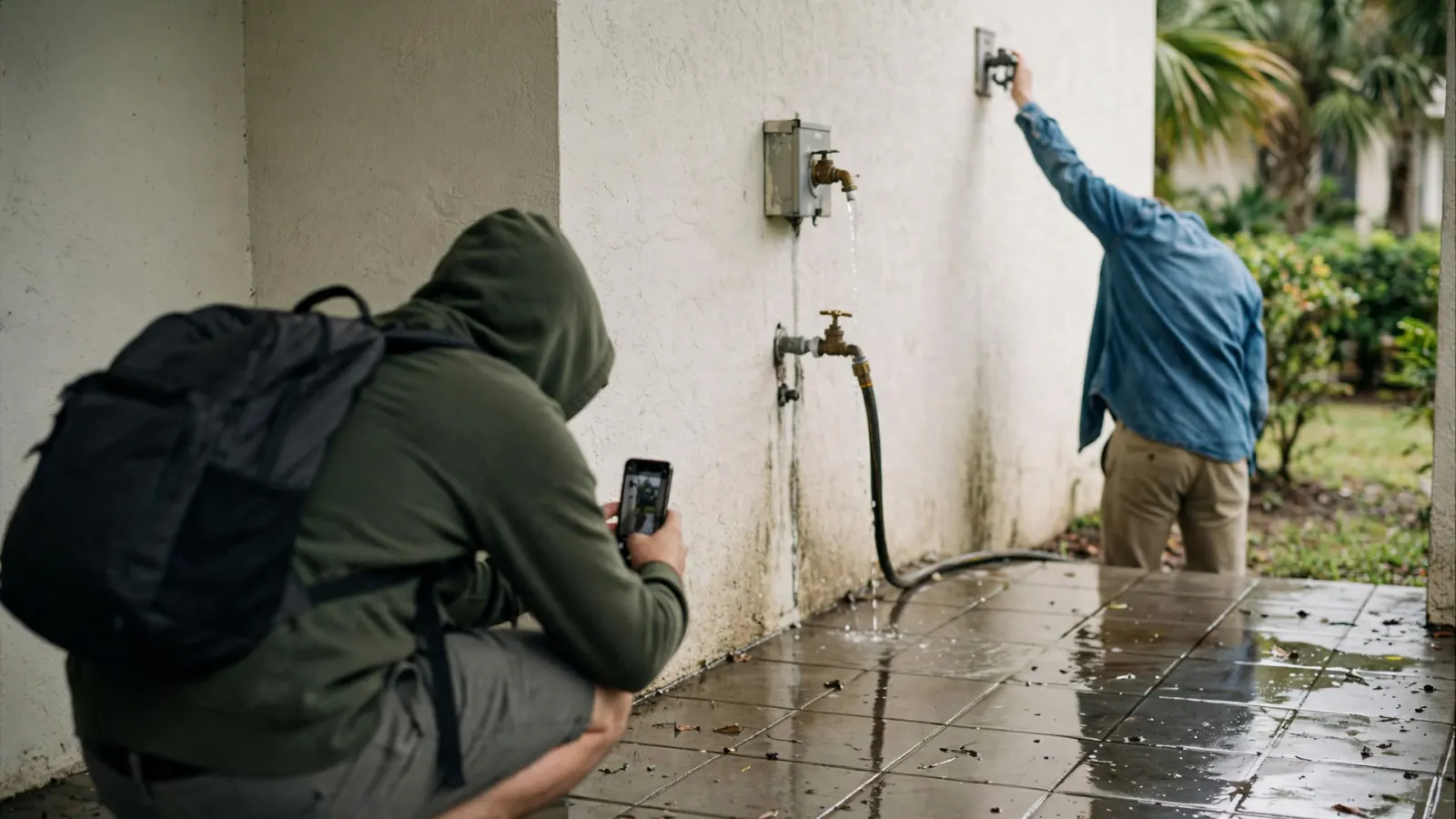
What to Do in the First 24 Hours After Water Damage
A step-by-step checklist for the first 24 hours after a leak or flood in a Fort Pierce home: safety, stopping the water, documentation and drying.
What Does Water Damage Restoration Cost in Fort Pierce?
What affects the cost of water damage restoration in Fort Pierce: water category, square footage, materials, drying days, mold and rebuild.
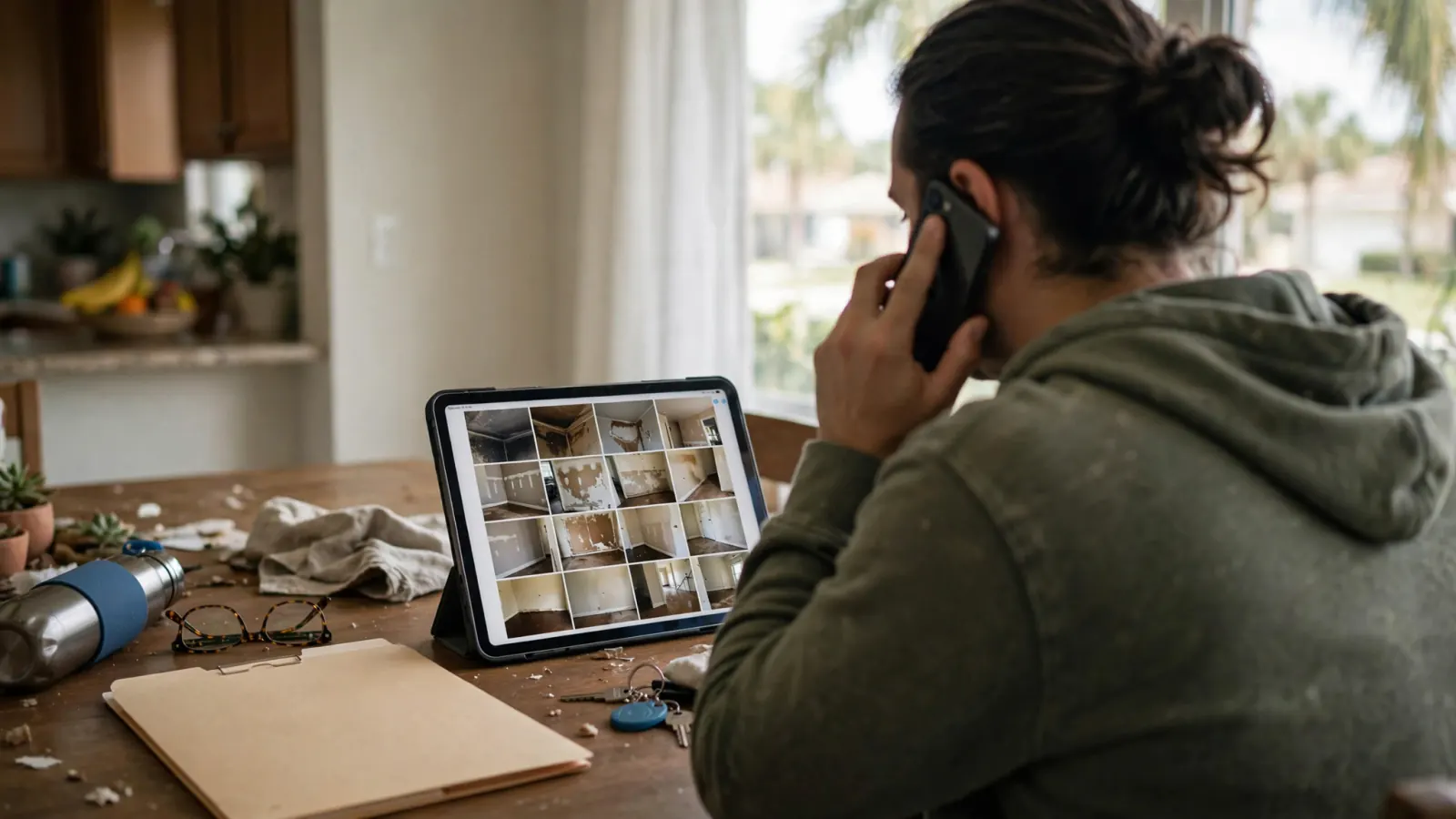
Water Damage Insurance Claims in Florida: What Changed and What to Do
How Florida's insurance reforms affect water damage claims in Fort Pierce: the assignment-of-benefits ban, flood vs. homeowners coverage and records.
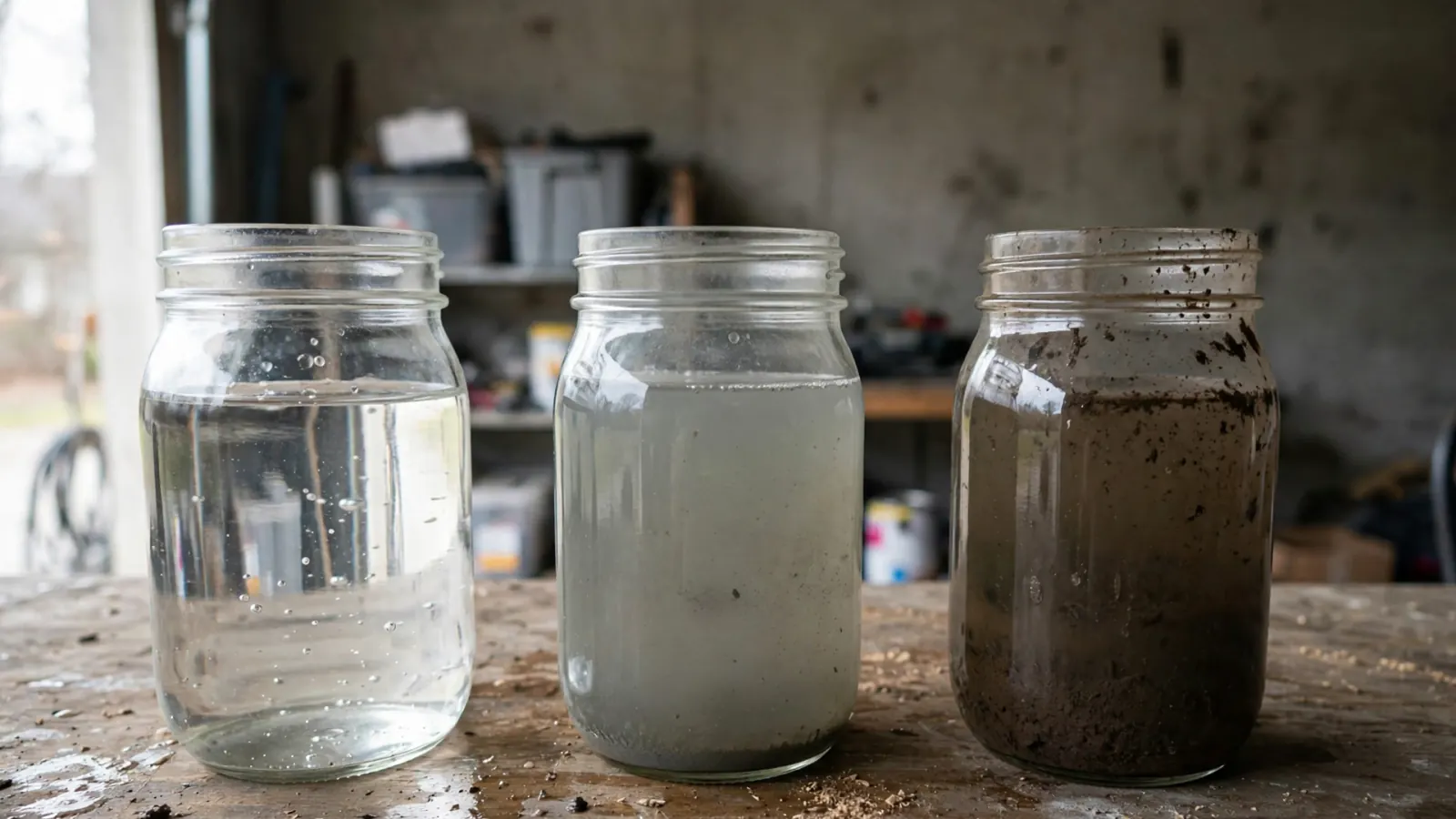
Water Damage Categories and Classes, Explained
The IICRC S500 water damage categories and classes in plain English: clean, gray and black water, and how evaporation classes shape drying plans.
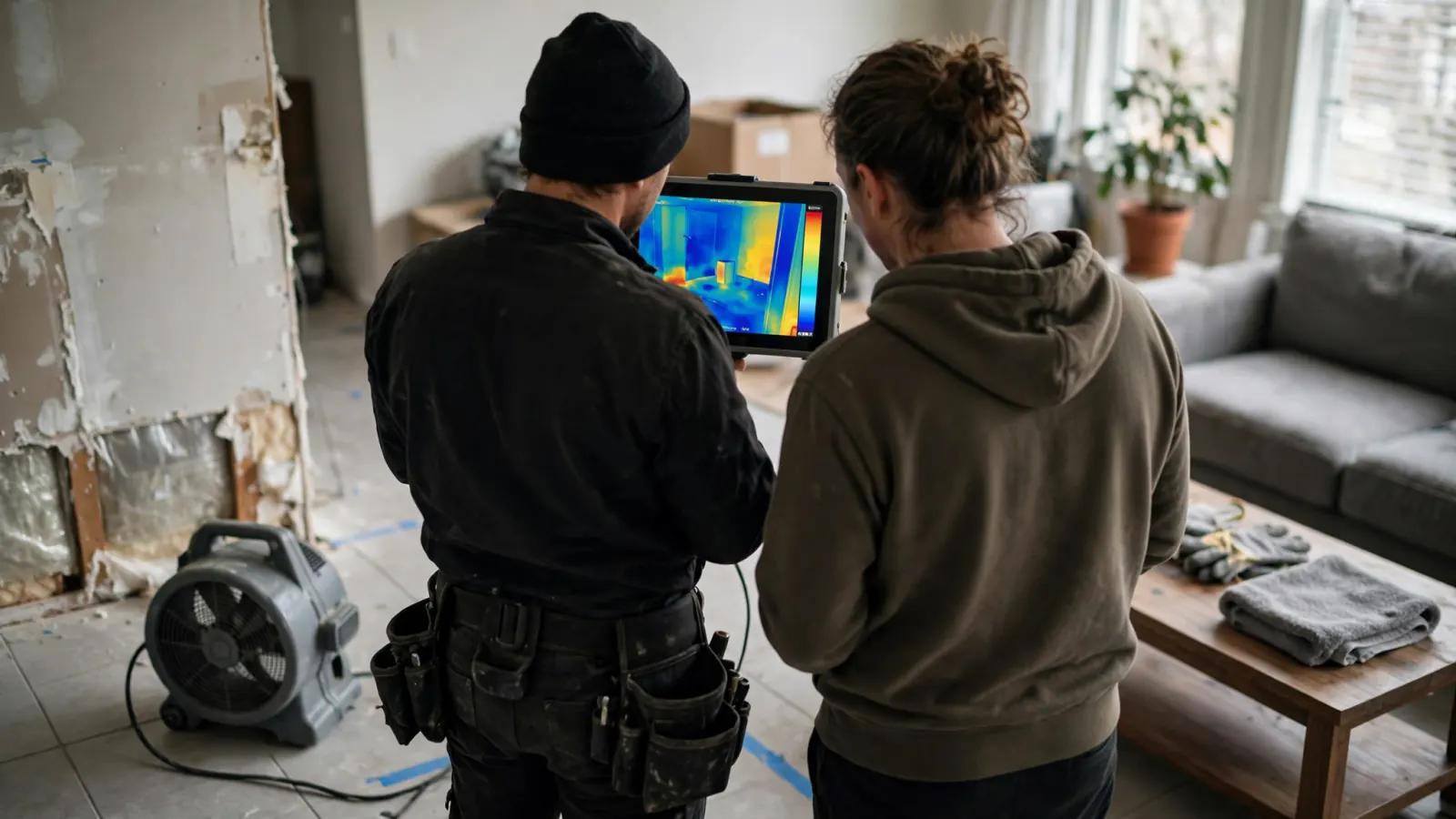
How to Choose a Water Damage Restoration Company in Fort Pierce
A checklist for hiring a water damage restoration company in Fort Pierce: licenses to verify, certifications, insurance, contracts and red flags.
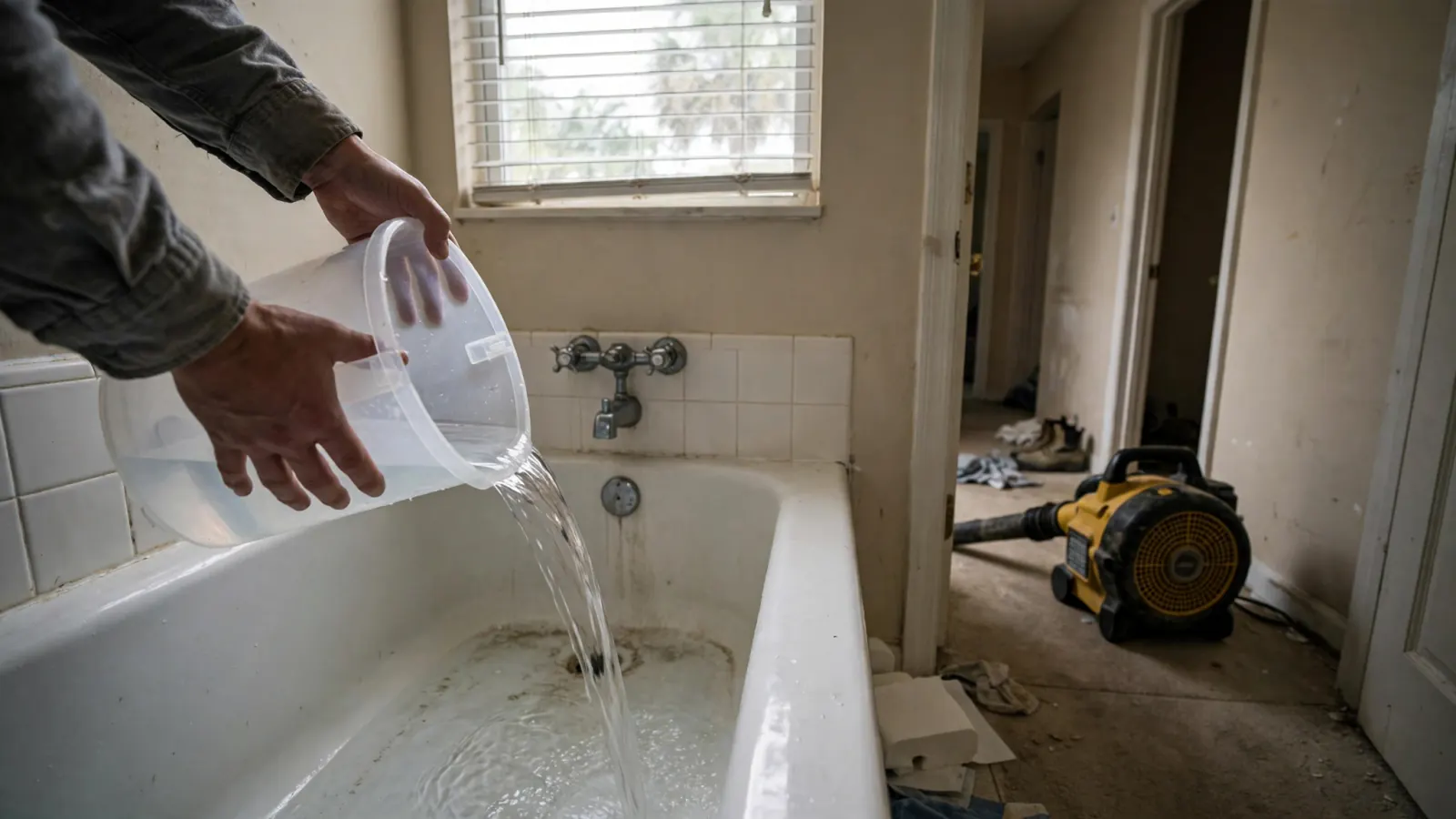
How Long Does Water Damage Take to Dry?
How long water damage takes to dry by severity, why Florida humidity slows drying, and how moisture readings confirm a home is dry before repairs.
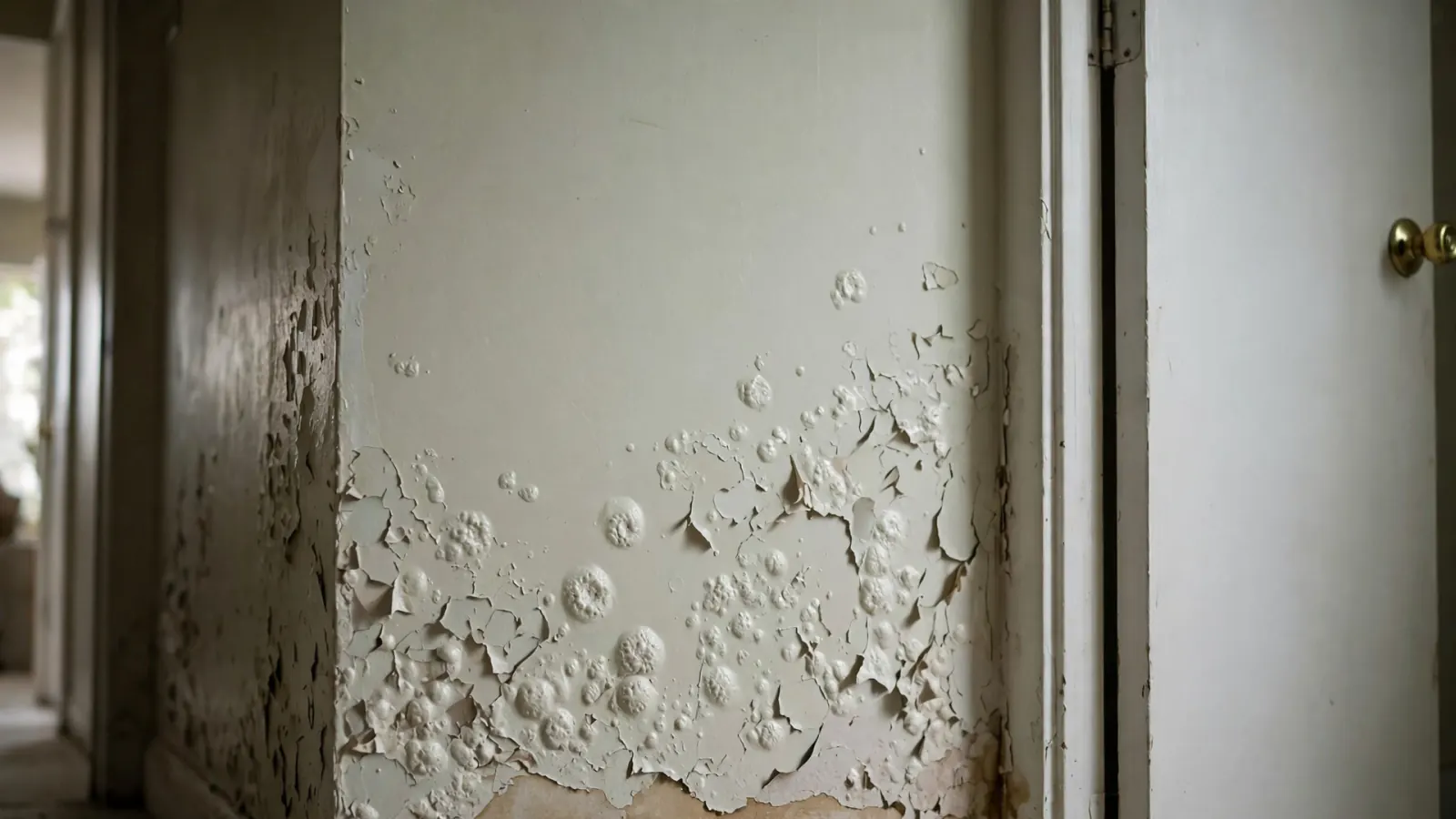
Signs of Hidden Water Damage in Walls, Floors and Ceilings
Warning signs of hidden water damage in walls, floors and ceilings, what each one usually means, and how to confirm a leak before it spreads.
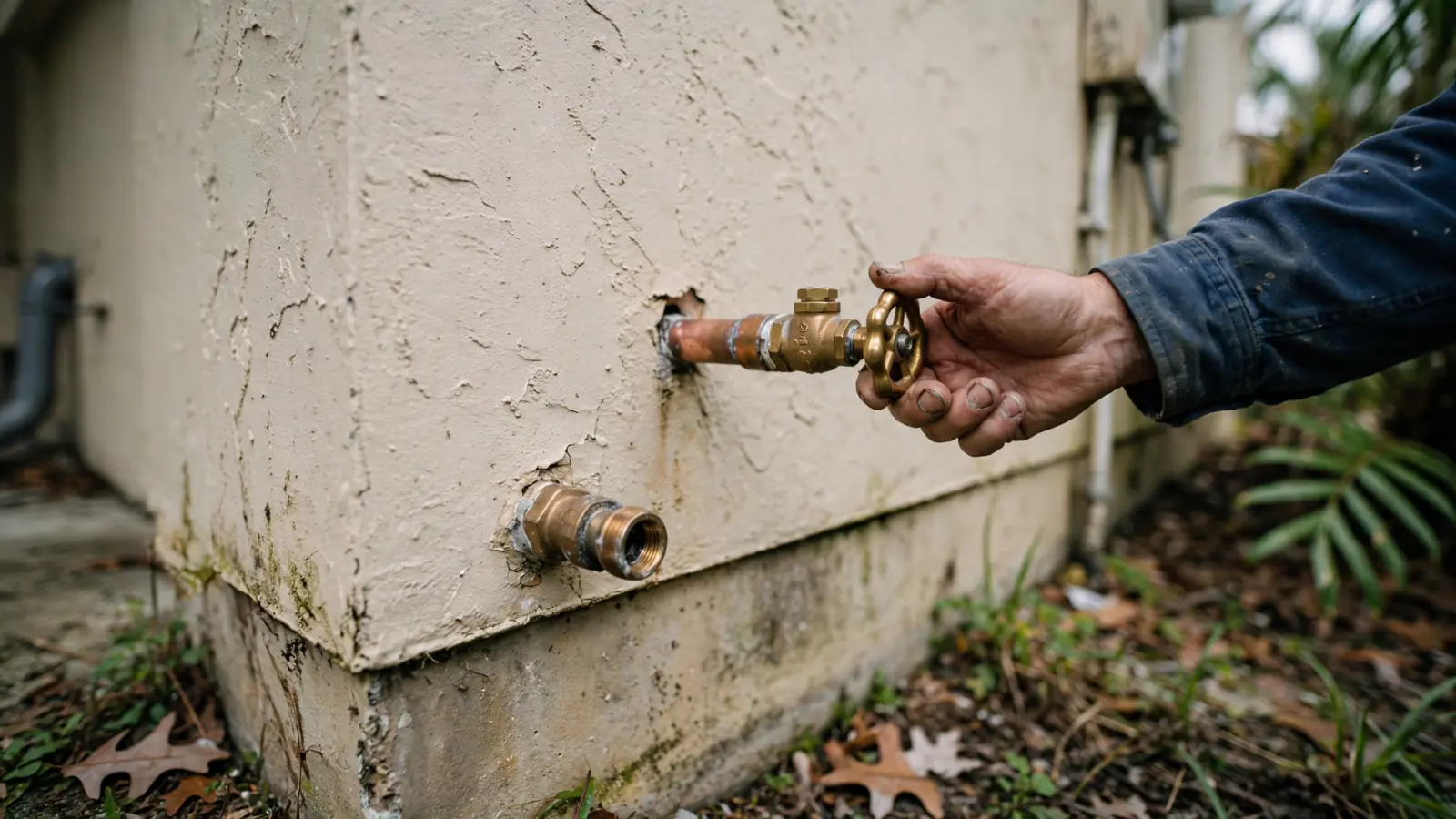
How to Shut Off Your Main Water Valve
Find the main water shut-off in Fort Pierce and Port St. Lucie homes, learn how gate and ball valves close, and what to do when one is stuck.
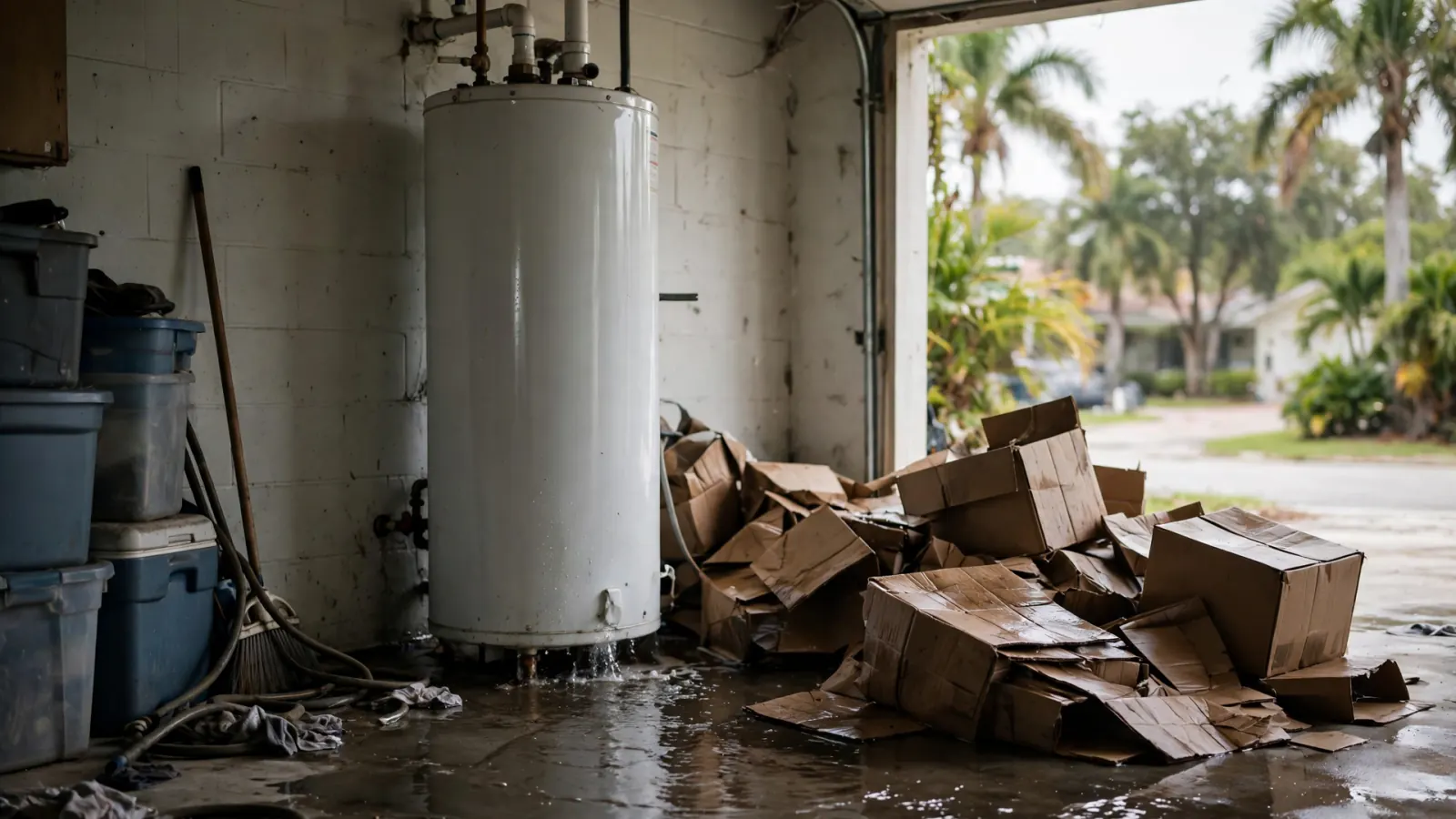
Water Heater Leaking From the Bottom: Causes and What to Do
Why a water heater leaks from the bottom, how to tell a valve leak from a failed tank, safe shut-off steps, and when the heater needs replacing.
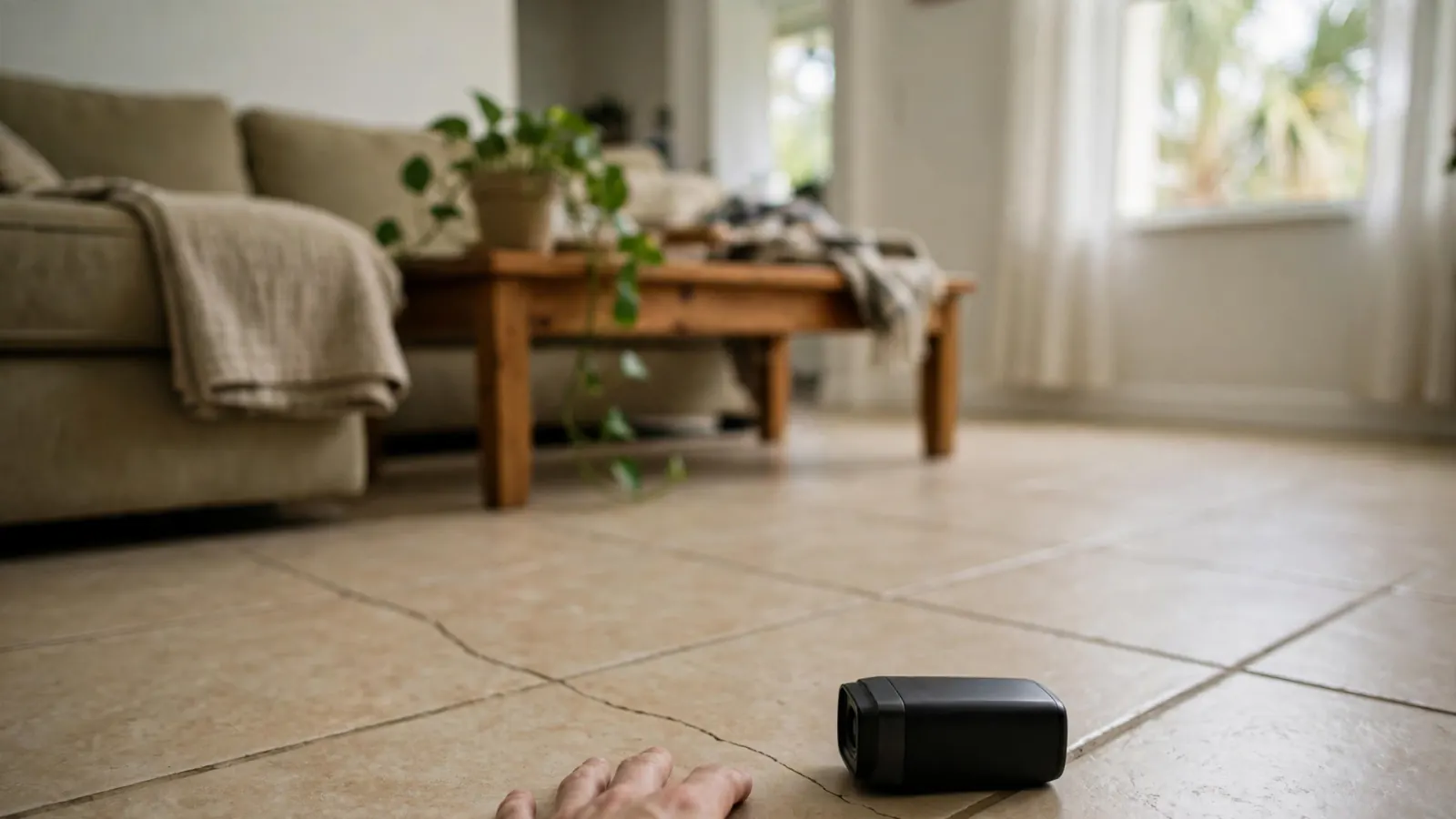
Signs of a Slab Leak and What to Do Next
How to spot a slab leak in a Florida home: warm floor spots, running water sounds, high bills and damp flooring, plus how leaks are found and fixed.
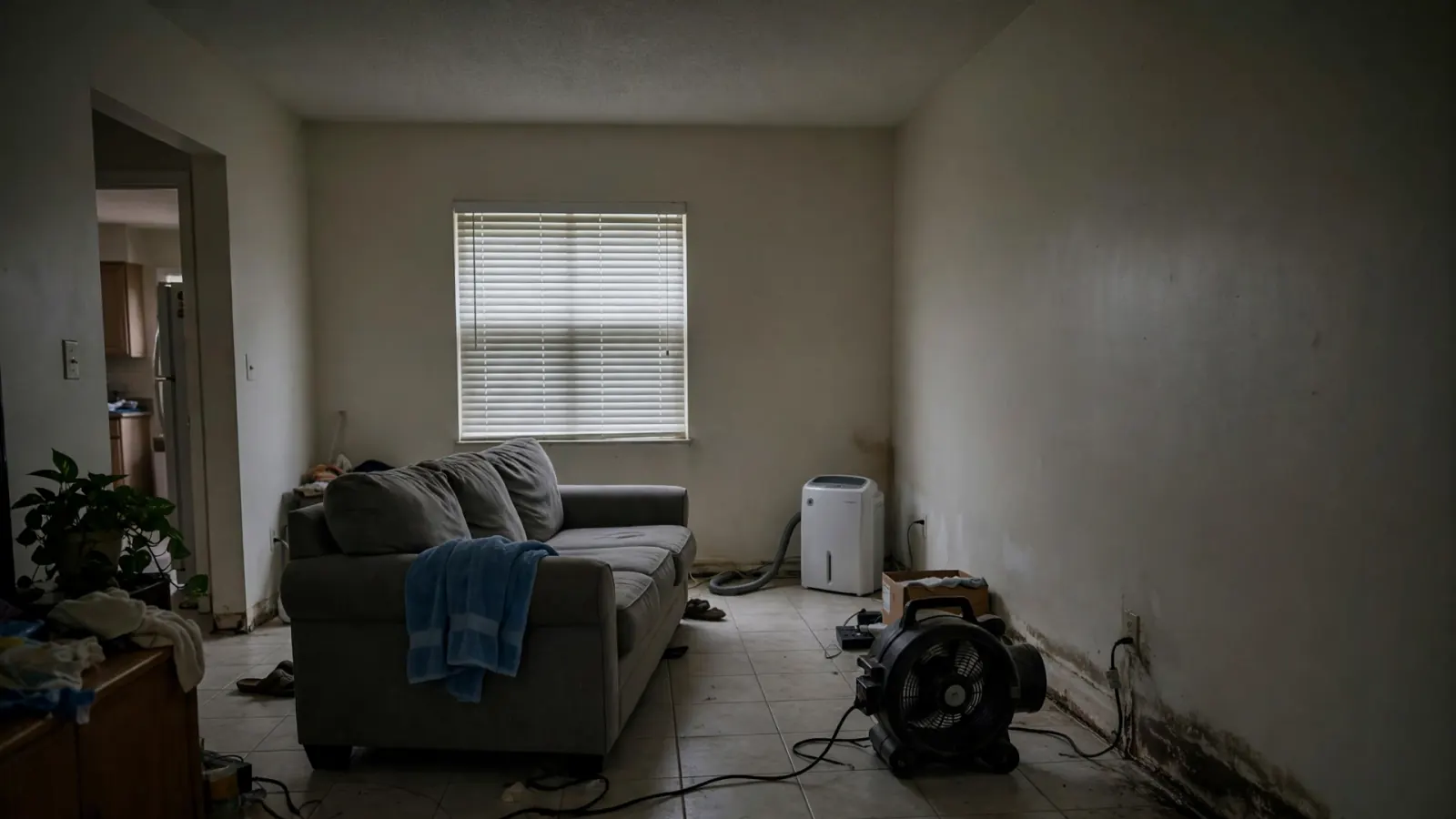
Is It Safe to Stay in a House With Water Damage?
When it is safe to stay home after water damage and when to leave: electrical hazards, sewage, flood water, sagging ceilings, mold and drying gear.
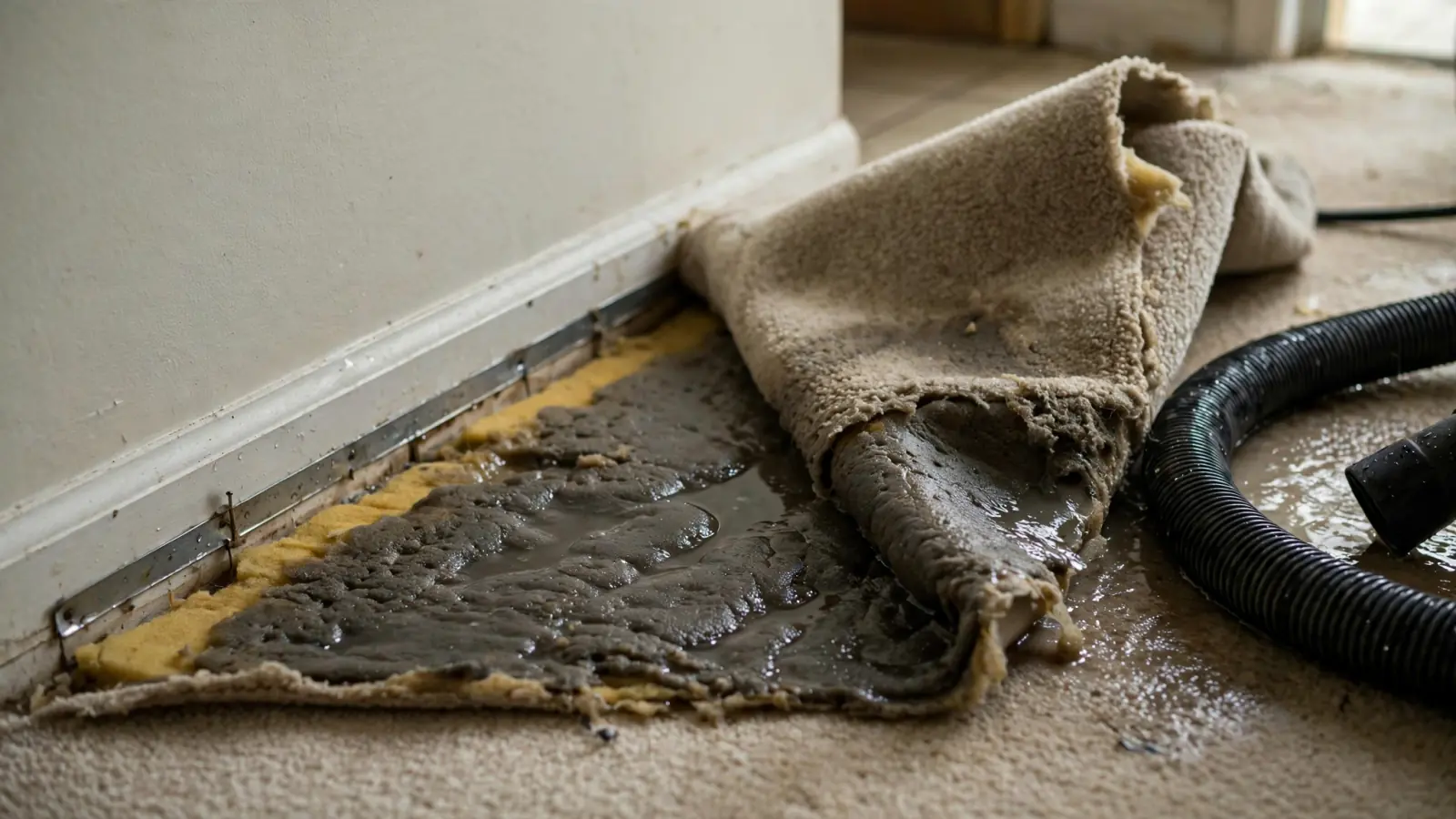
Can Wet Carpet Be Saved?
When wet carpet can be dried and kept, when the pad or carpet must go, and how water source and drying speed decide it under EPA guidance.
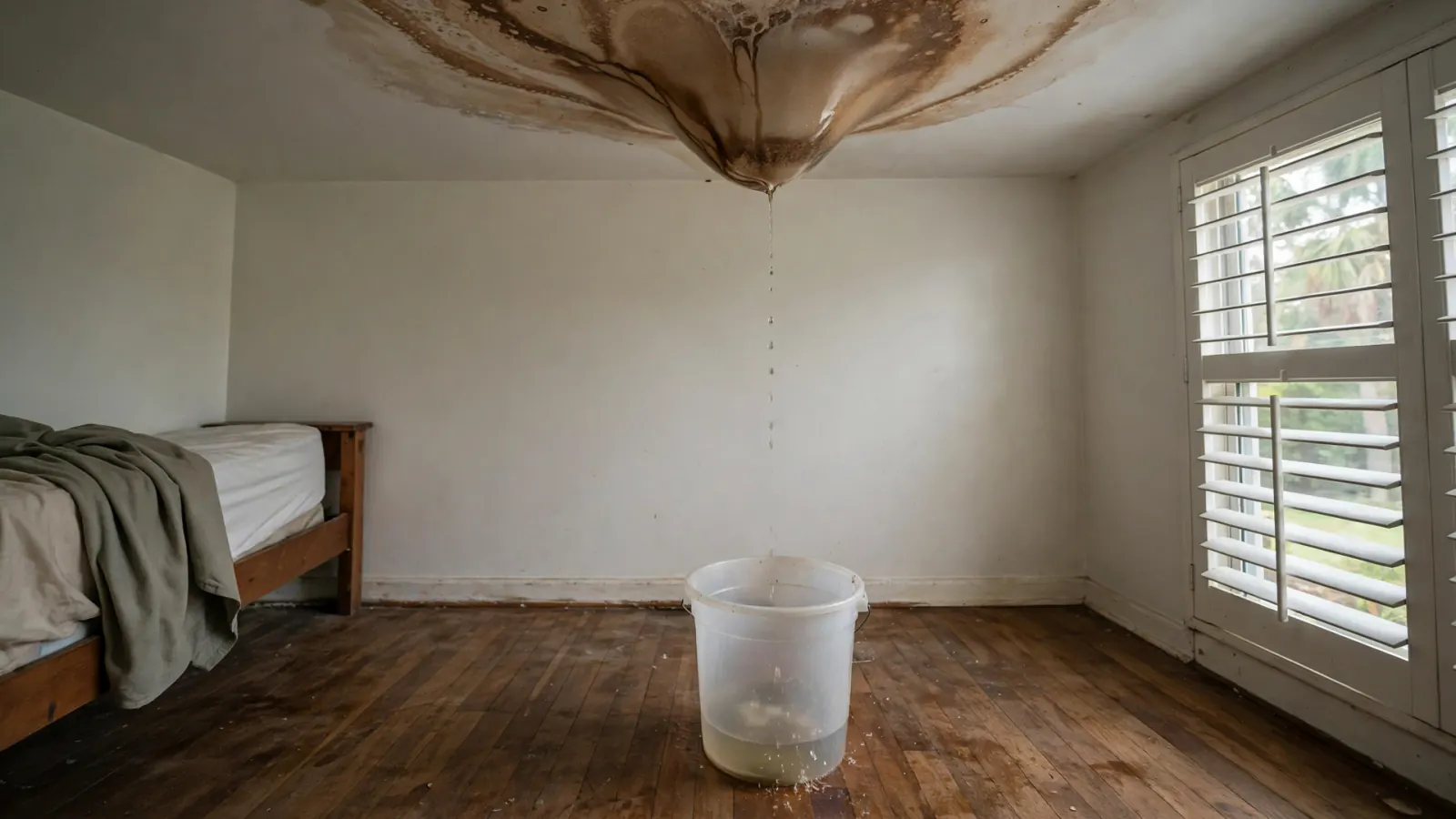
What to Do When Your Ceiling Is Leaking
What to do when your ceiling is leaking: protect people and belongings, handle a bulging ceiling safely, find the source and document it.
3 guides
Leak prevention
Small habits and devices that stop the most common Florida household leaks.
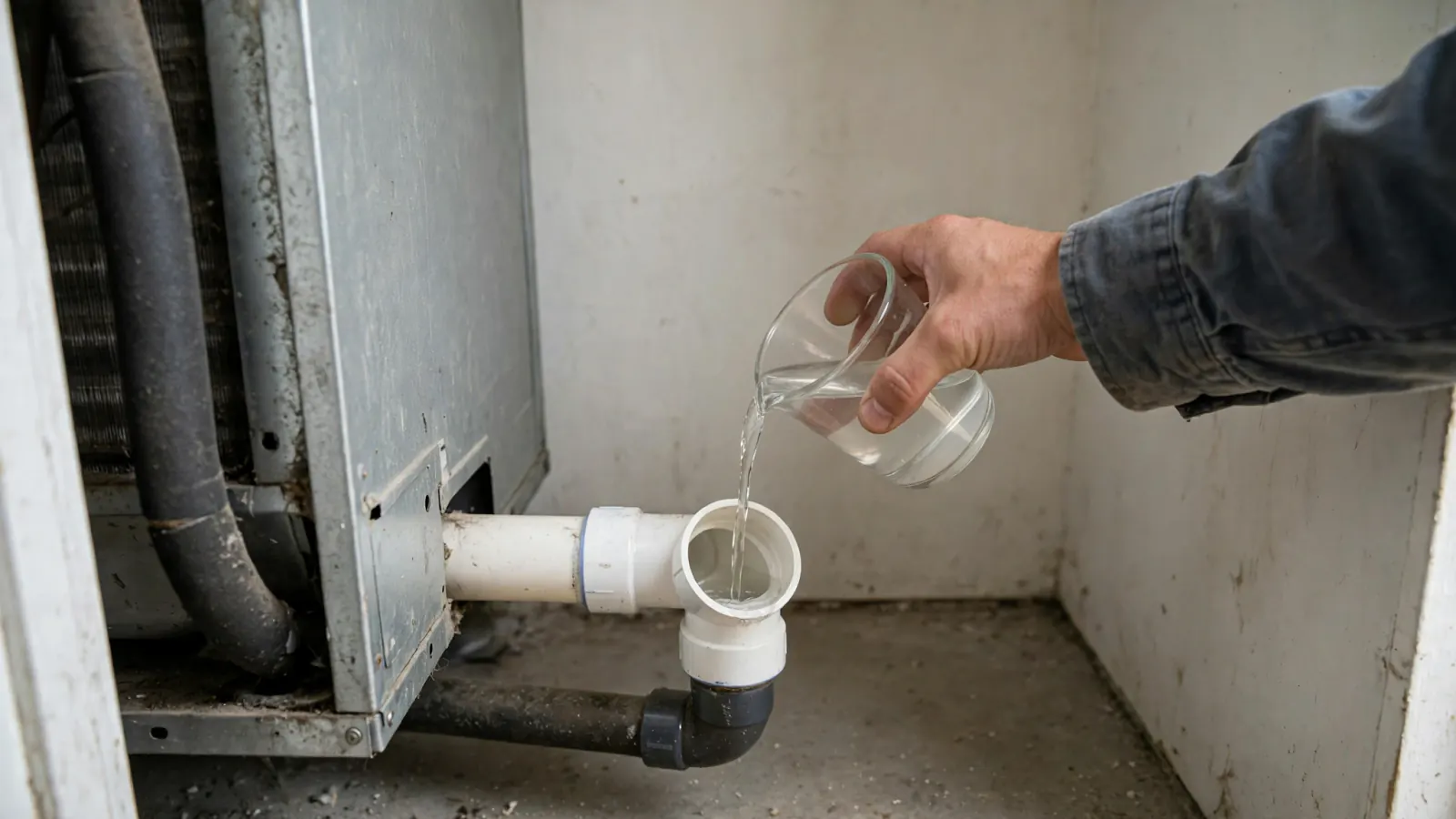
How to Prevent AC Condensate Leaks
Why AC air handlers leak water, how to keep the condensate drain line clear, what overflow protection Florida code requires, and when to call an HVAC pro.
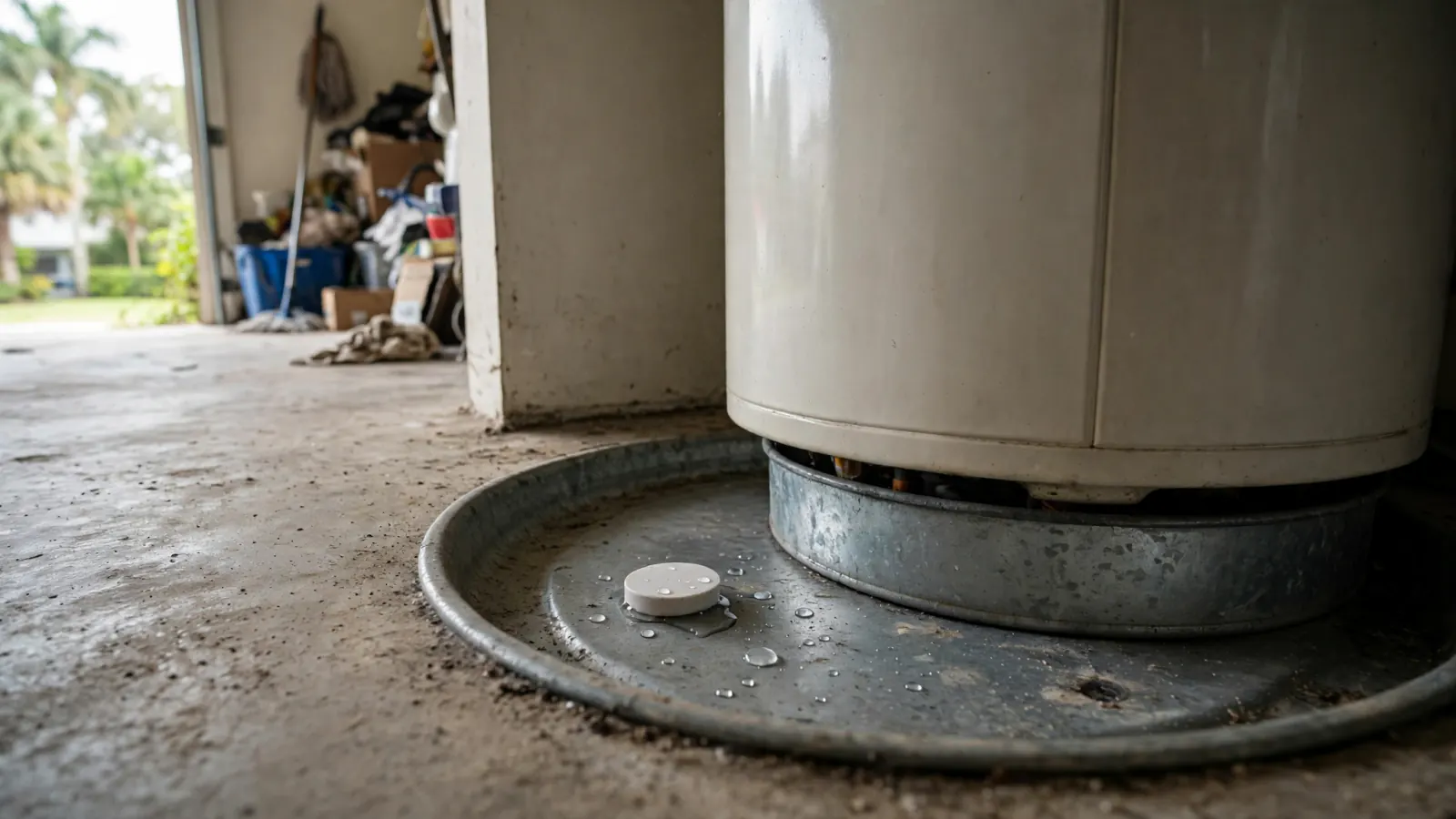
Are Water Leak Detectors Worth It?
Water leak sensors, smart alarms and automatic shut-off valves compared, where to place them in a Florida home, and who benefits most.
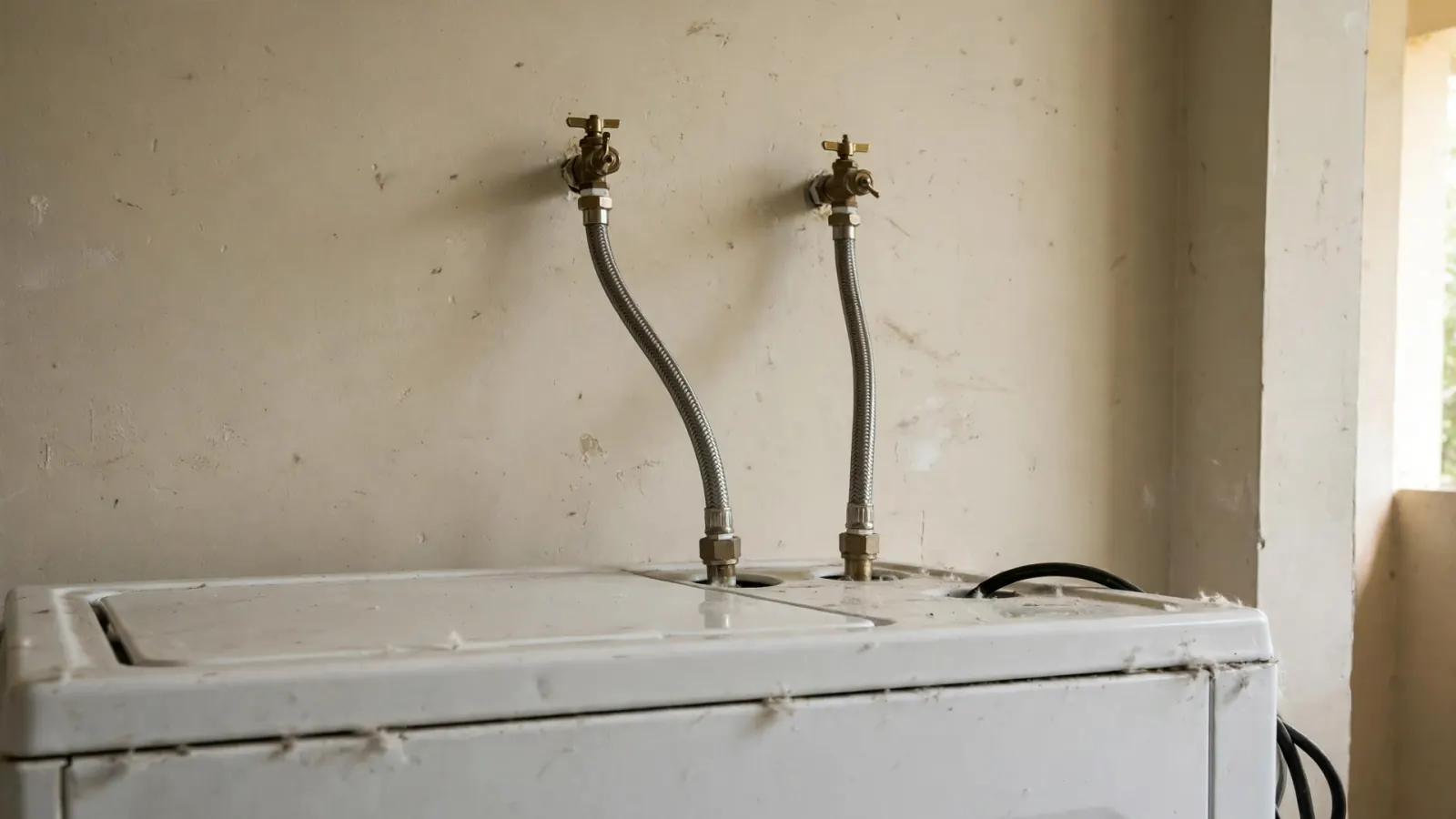
When to Replace Washing Machine Hoses
How often to replace washing machine inlet hoses, warning signs of a failing hose, rubber versus braided hoses, and habits that prevent floods.
3 guides
Flood and storm
Flood zones, hurricane season and coming home safely after flood water.
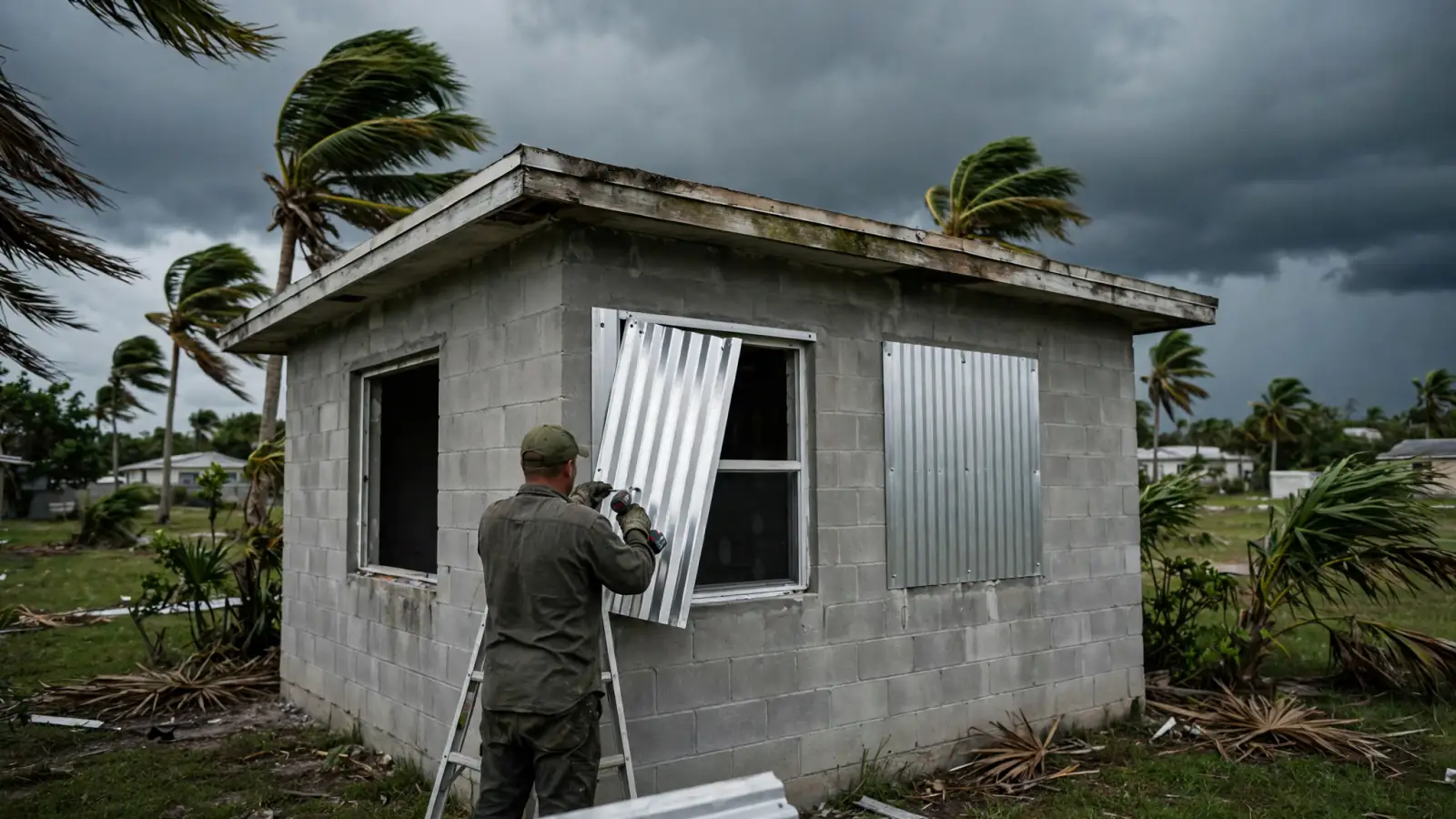
Hurricane Season Prep to Limit Water Damage in Fort Pierce
Prepare a Fort Pierce home for hurricane season to limit water damage: roof, openings, drainage, documentation, flood insurance and what to do after.
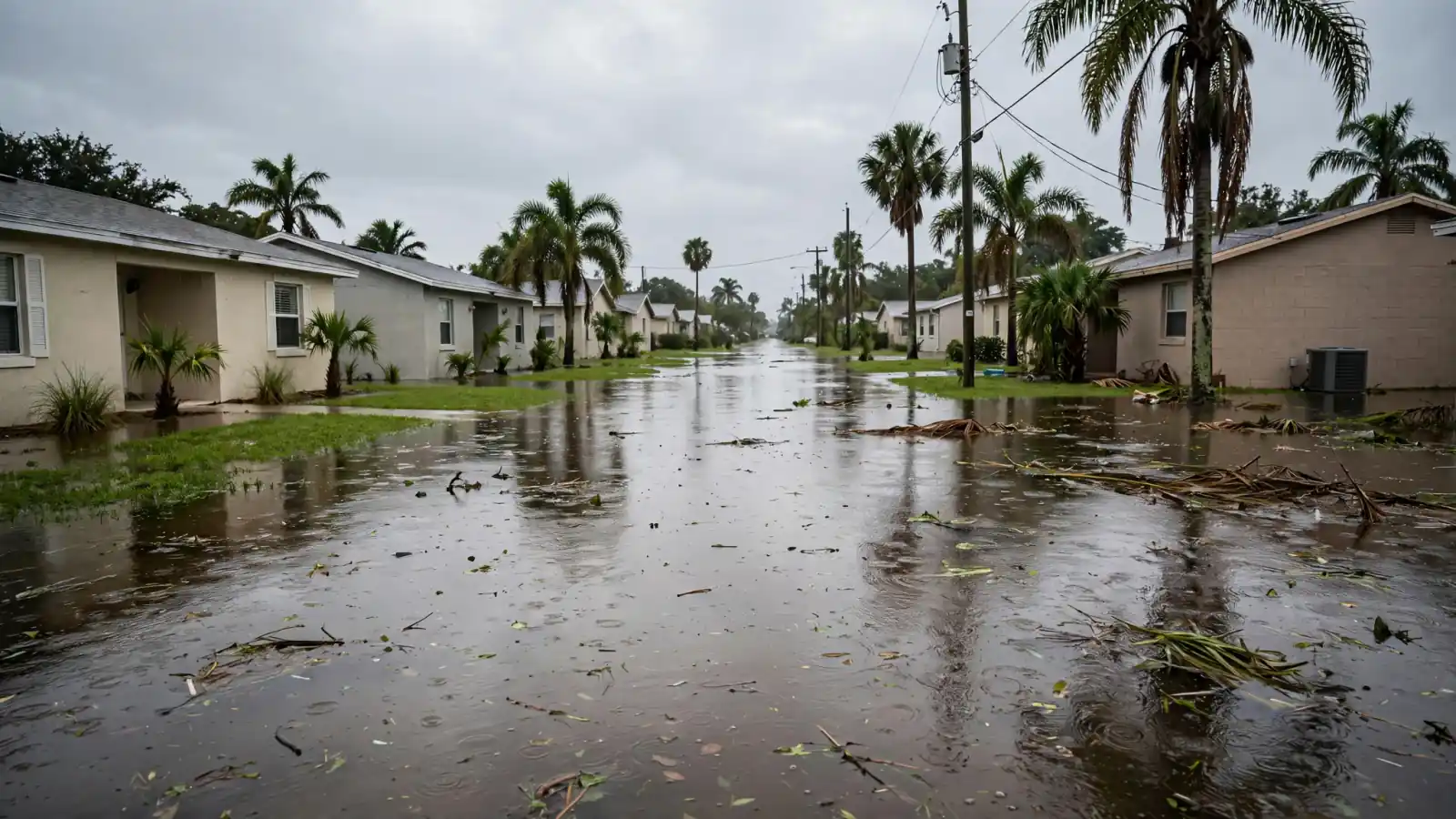
How to Find Your Flood Zone in St. Lucie County
Look up your FEMA flood zone in St. Lucie County, learn what AE, VE and X zones mean, and why a low-risk zone can still flood.
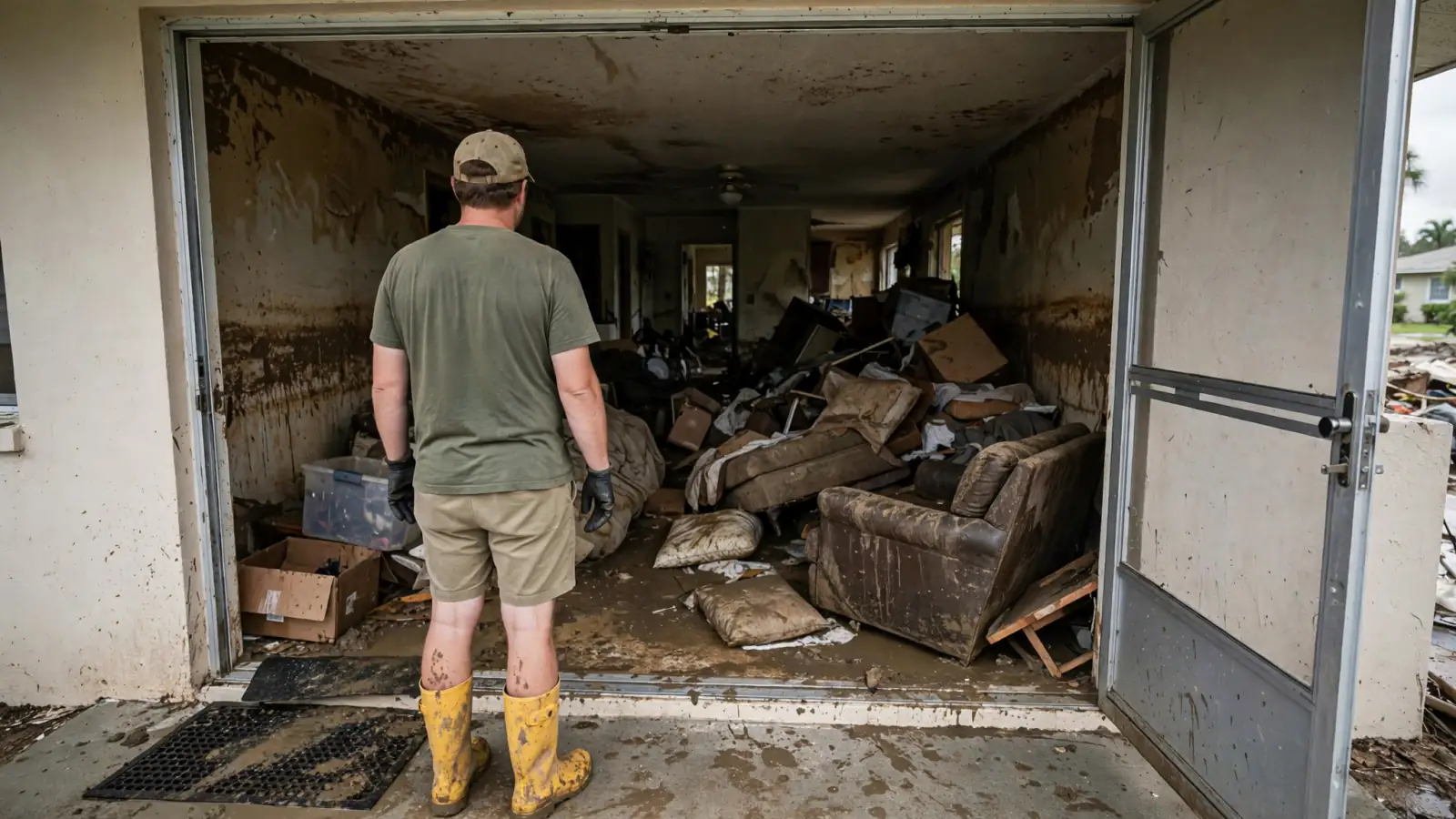
Returning Home After a Flood: Safety First, Then Cleanup
How to return home safely after a flood in St. Lucie County: structural, electrical, gas and generator hazards, what to discard and what to document.
4 guides
Mold
How mold starts, how to tell it apart from mildew, and how to keep humidity down.
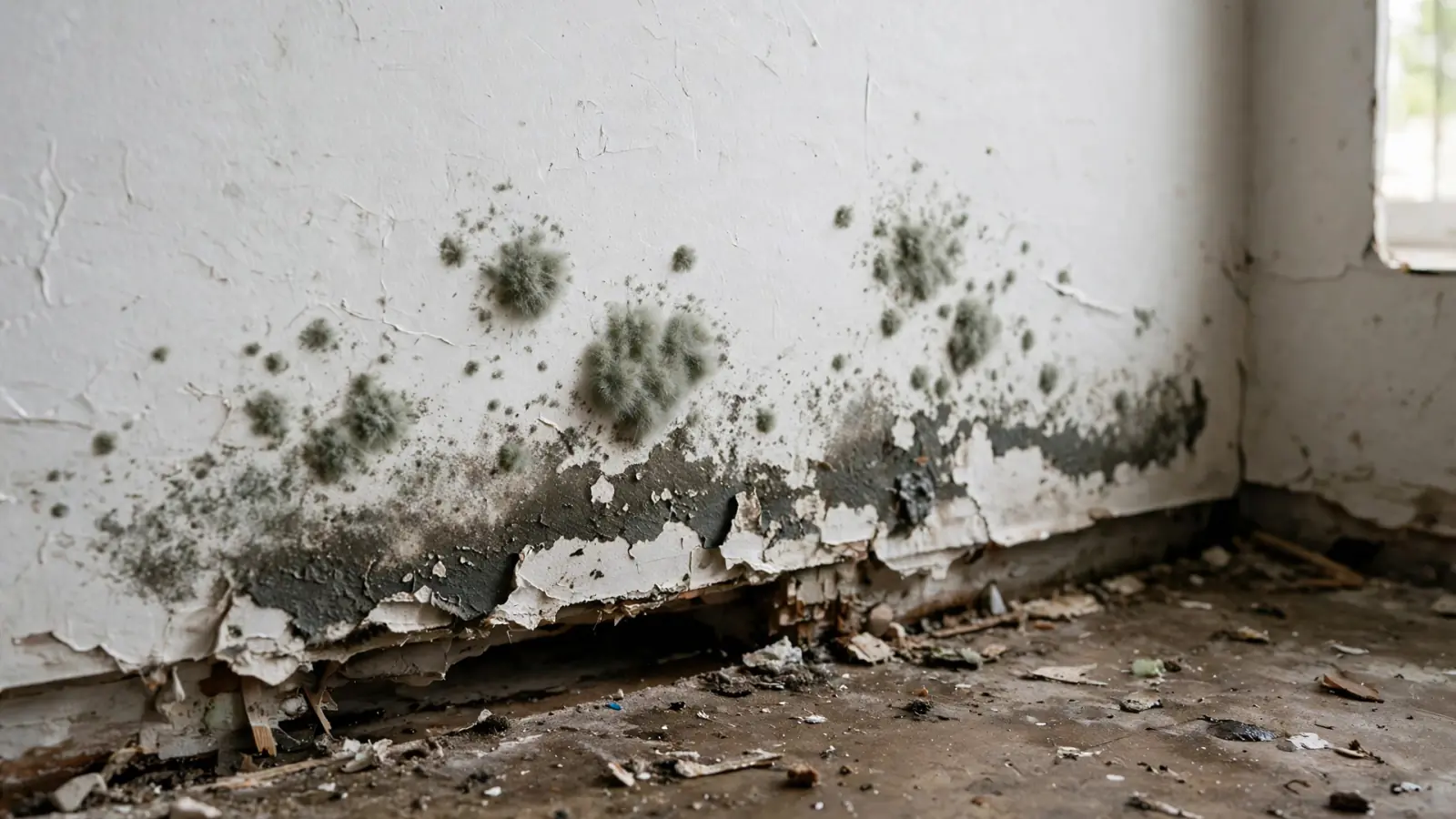
How Long Does Mold Take to Grow After Water Damage?
How quickly mold can start after a leak or flood, why the EPA's 24 to 48 hour drying window matters, and early signs to watch for in Florida.
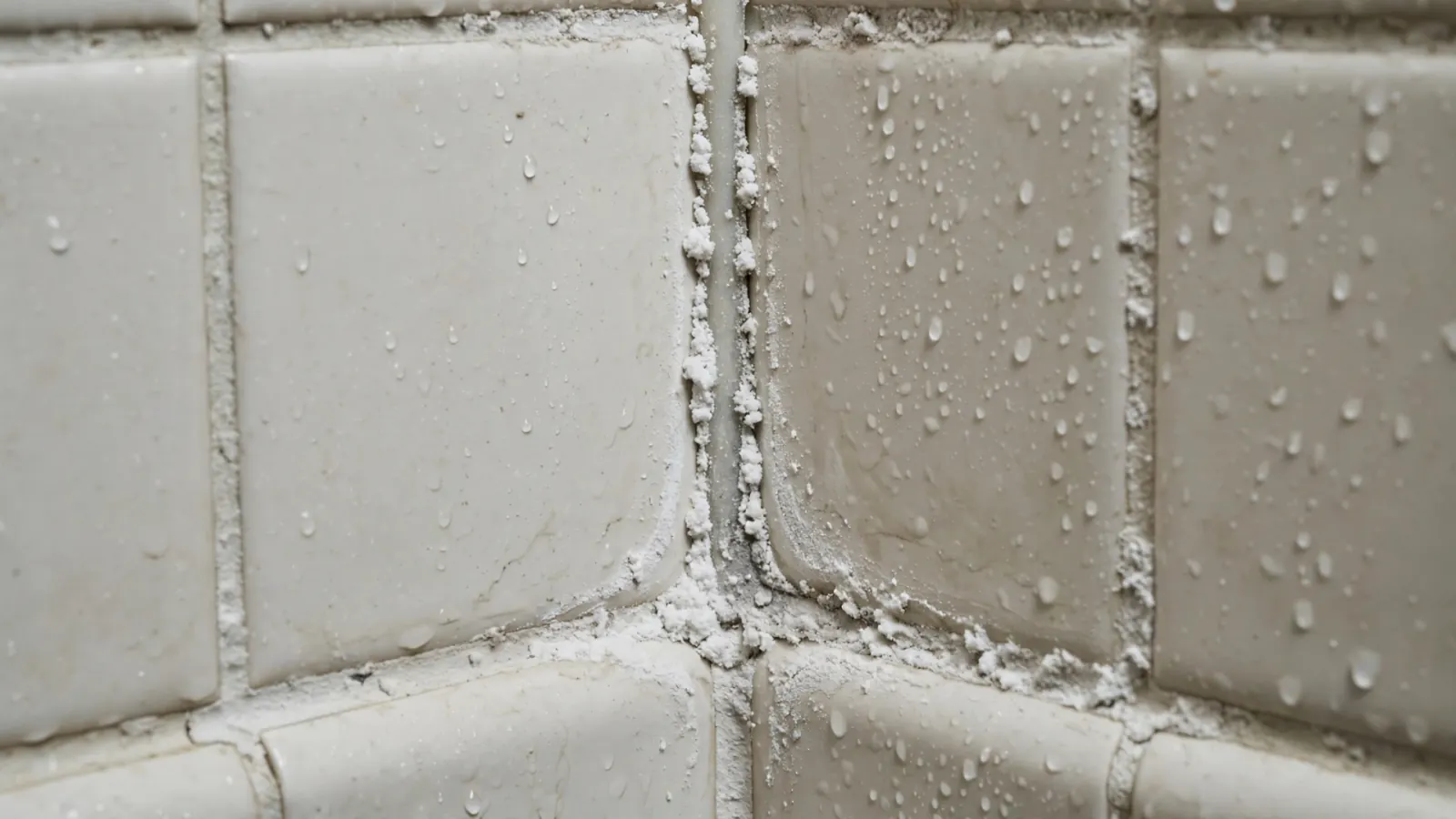
Mold vs. Mildew: How to Tell the Difference
Mold vs. mildew: how each looks, where they grow in Florida homes, how to clean surface mildew safely, and when growth signals a moisture problem.
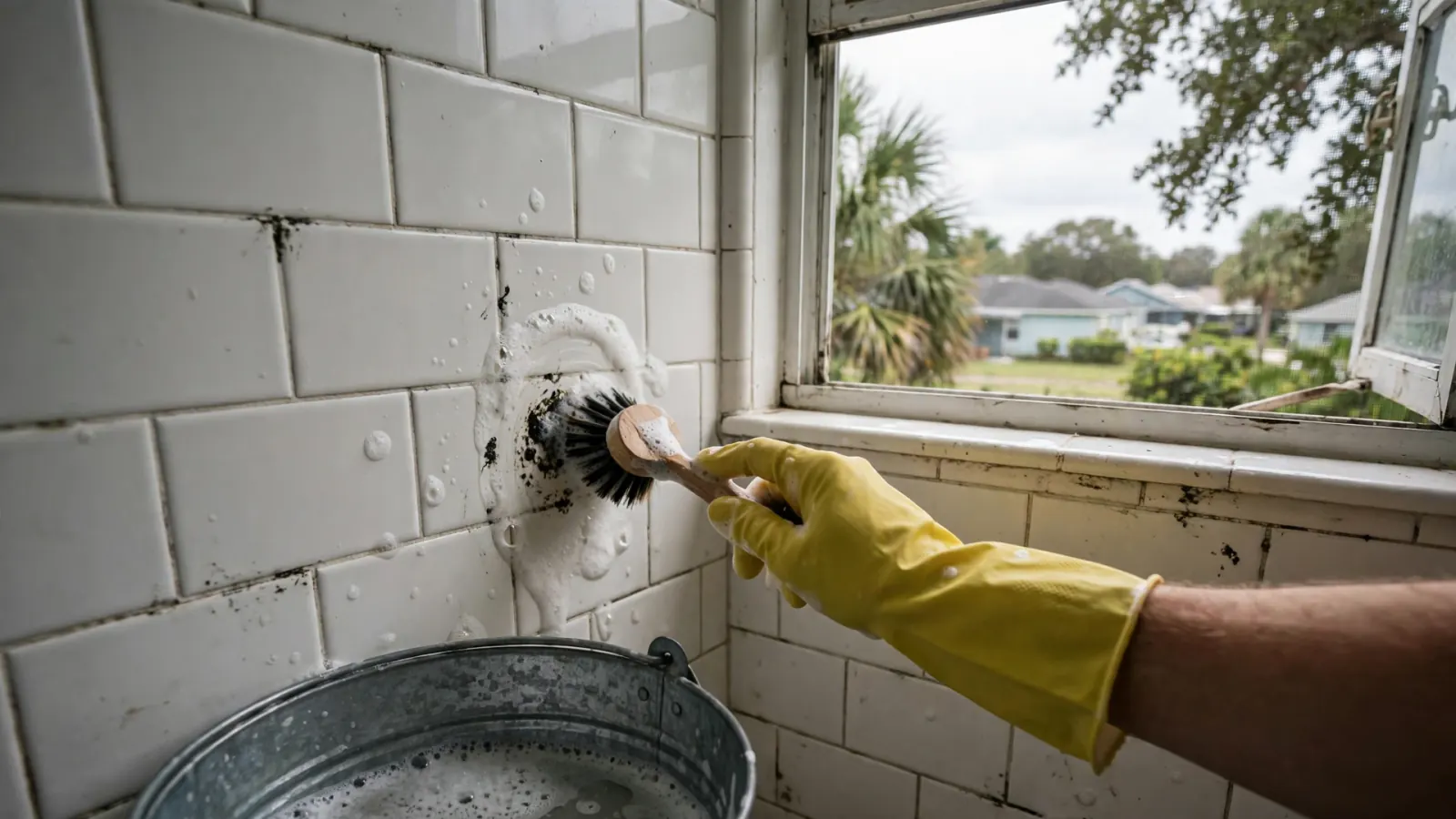
Does Bleach Kill Mold?
When bleach works on mold and when it does not, the CDC's safe mixing limit, why porous materials are removed, and safer cleanup steps.
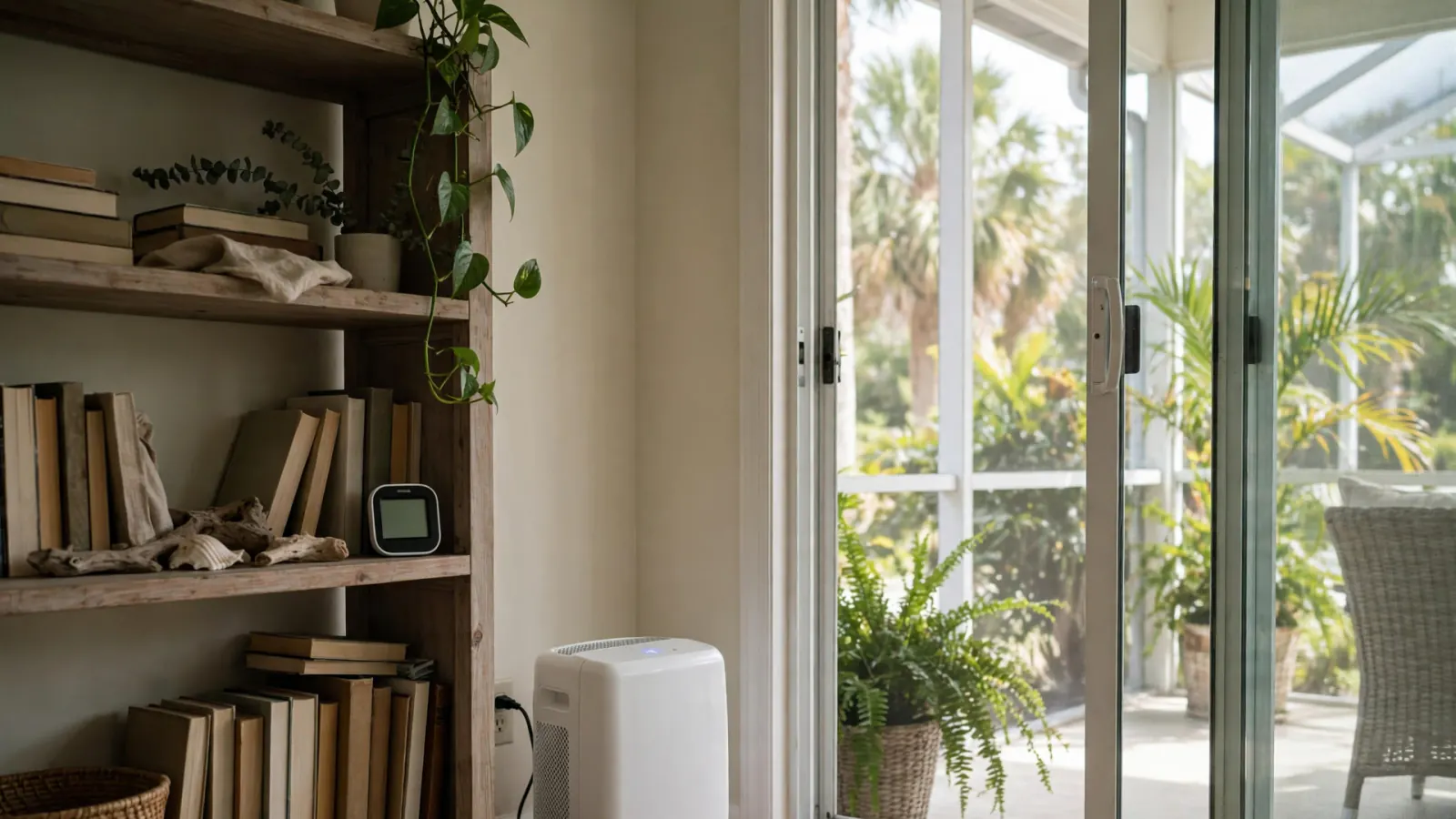
The Best Indoor Humidity to Prevent Mold in Florida
The indoor humidity range the EPA recommends to prevent mold, how to measure it, and how Florida homes keep it down with AC and dehumidifiers.
2 guides
Fire and smoke
Kitchen fire safety and the first steps after a house fire.
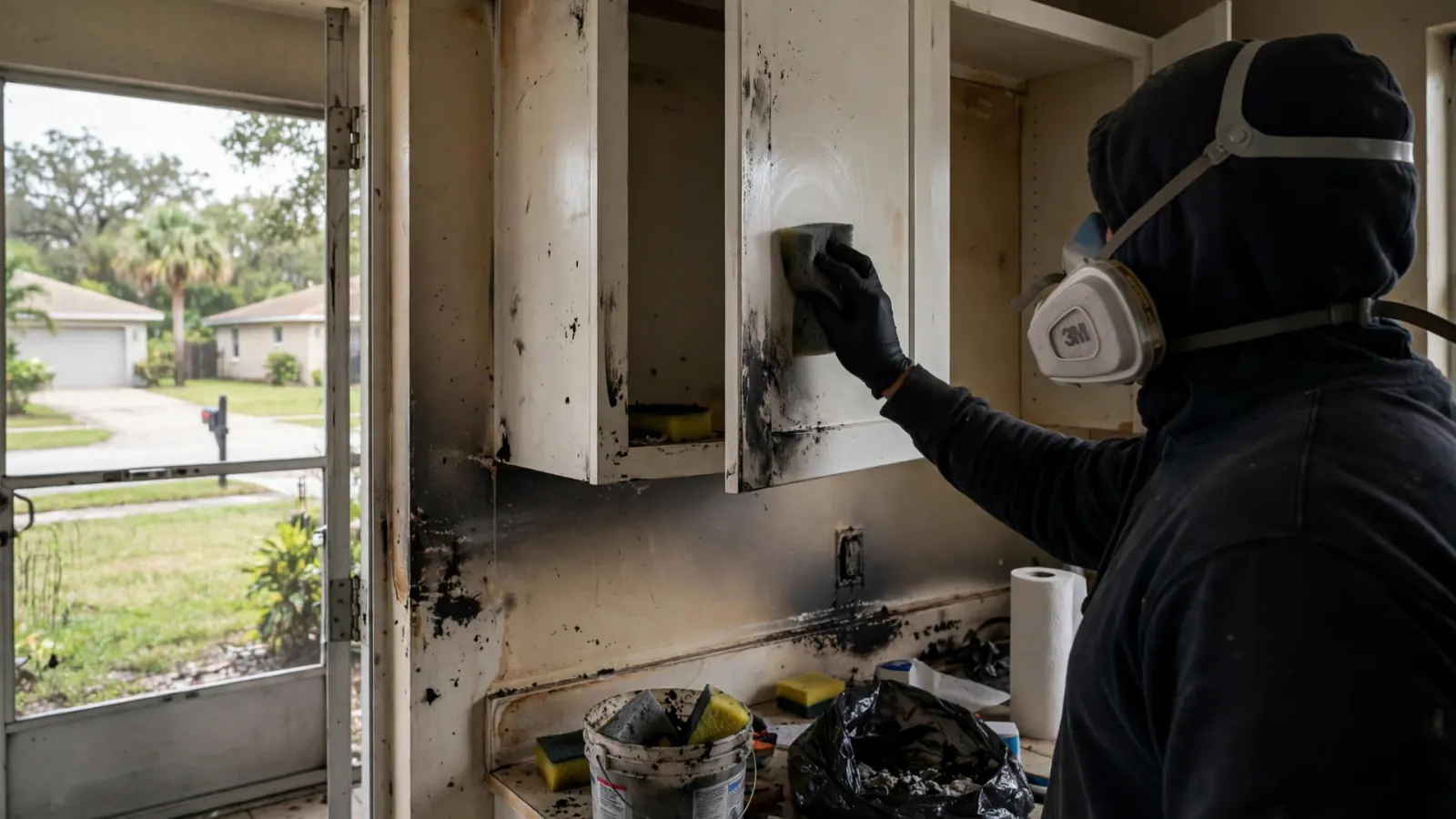
What to Do After a House Fire
What to do after a house fire in St. Lucie County: safe reentry, the fire report, insurance, securing the home, discarding food and smoke cleanup.
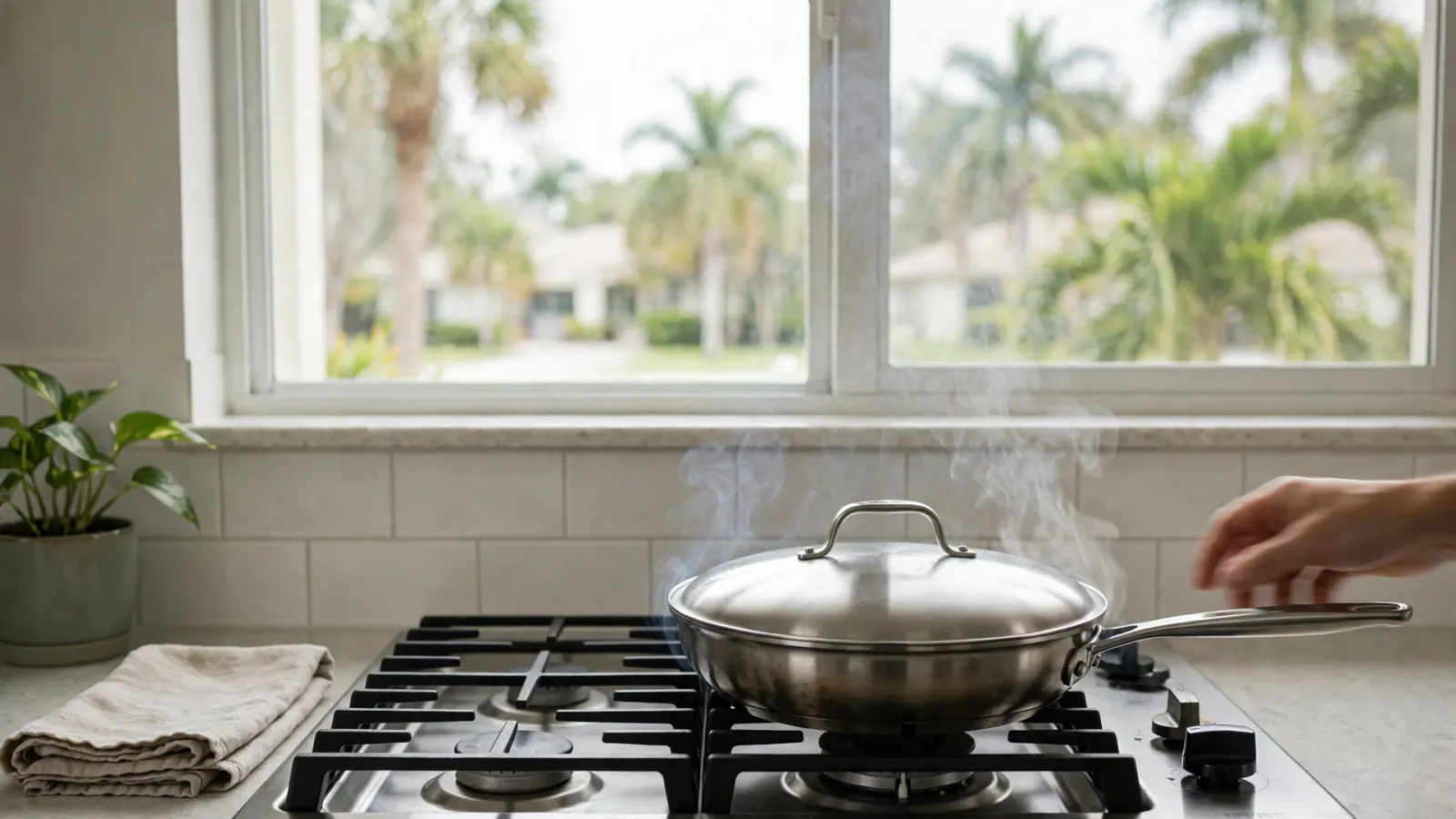
How to Put Out a Grease Fire Safely
How to put out a small grease fire: cover the pan, turn off the burner, never use water, handle oven fires safely, and know when to leave.
2 guides
Biohazard
Safe cleanup of rodent contamination and what families need to know after a death at home.
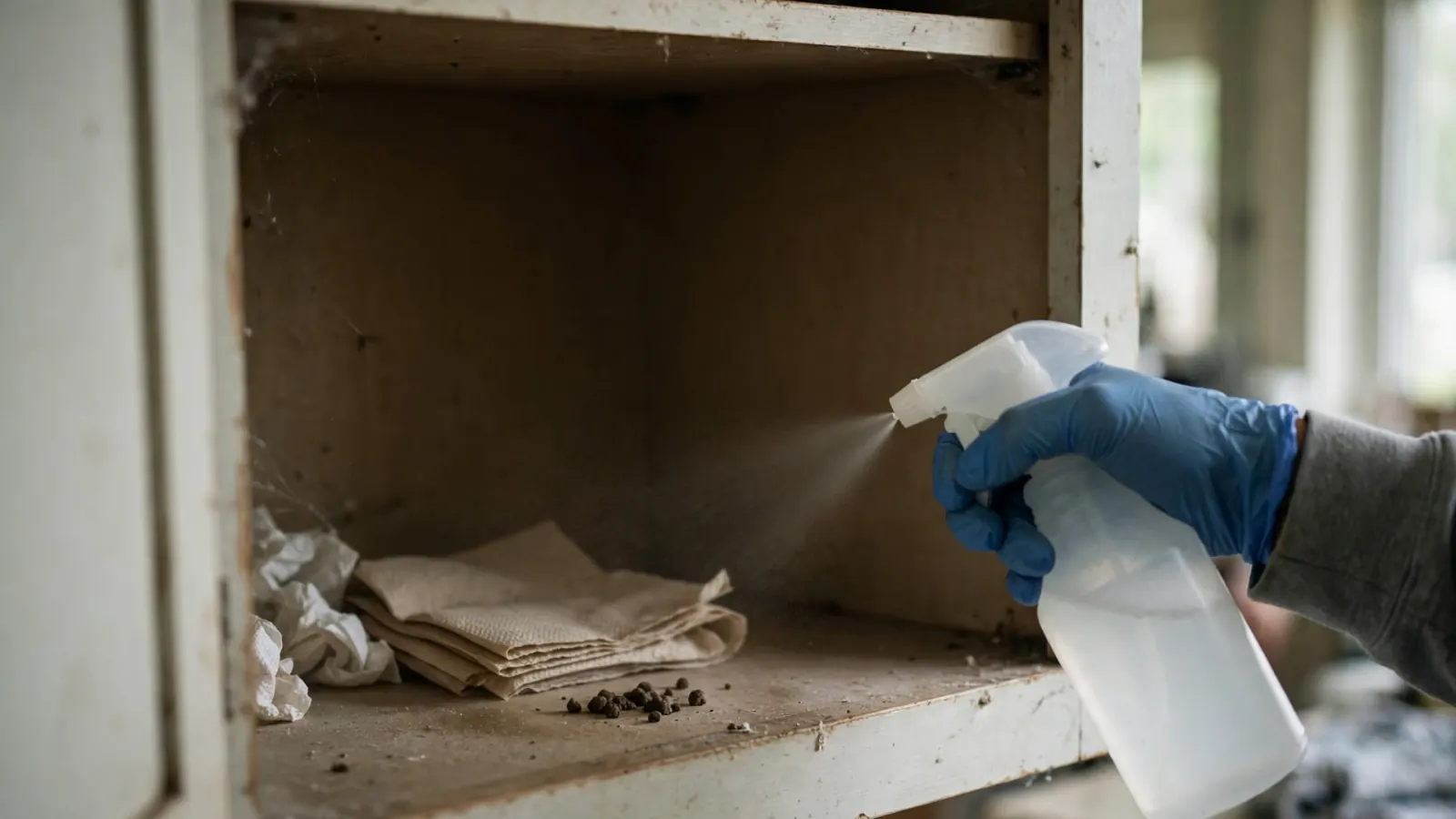
How to Clean Up Mouse and Rat Droppings Safely
The CDC method for cleaning mouse and rat droppings: ventilate, wear gloves, soak with disinfectant, never sweep or vacuum, and when to call a pro.
What to Do When Someone Dies at Home in Florida
When someone dies at home in Florida: who to call for expected and unexpected deaths, the medical examiner's role, funeral steps and home cleanup.