
Water damage guide
Is It Safe to Stay in a House With Water Damage?
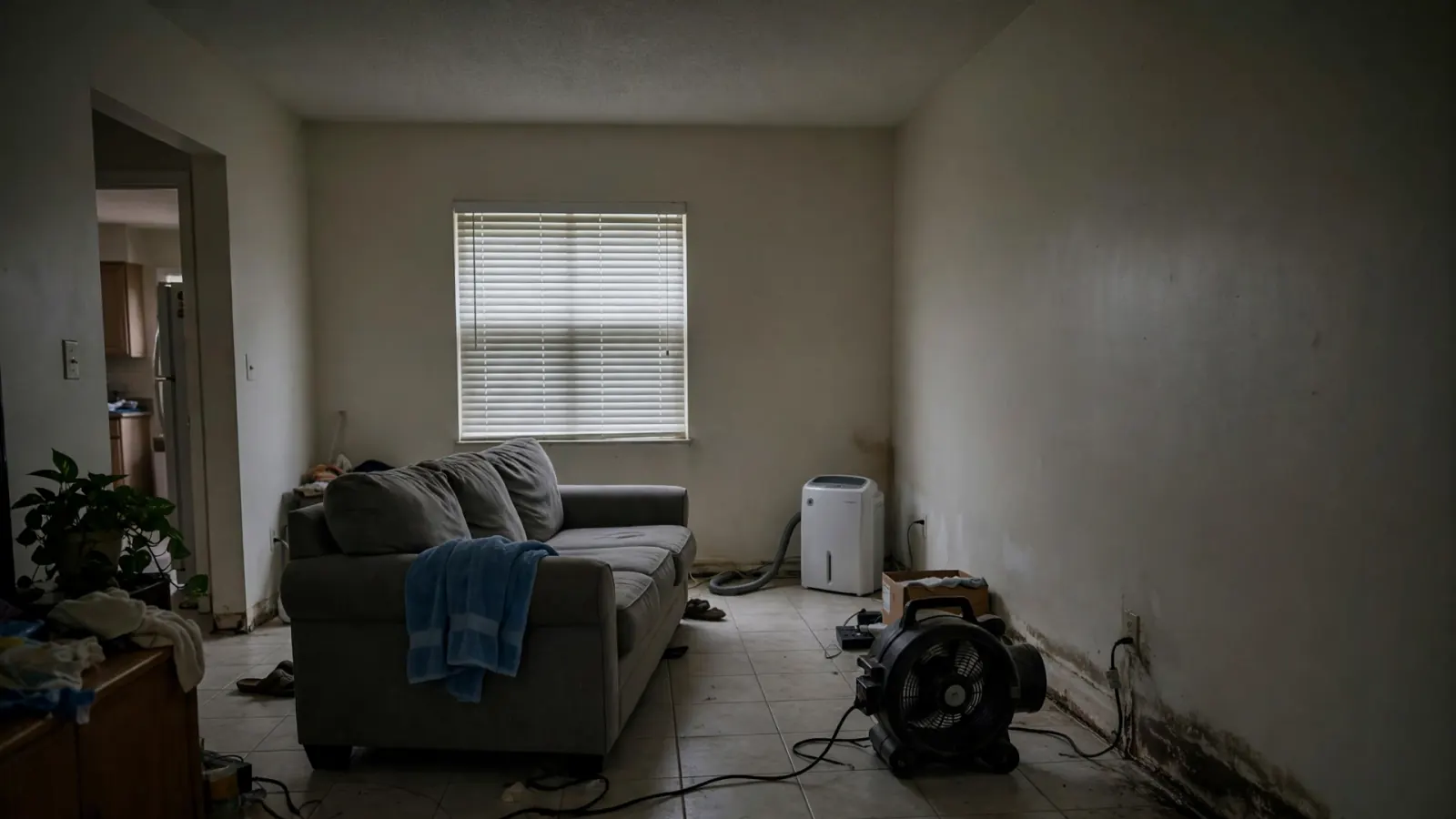
When it is safe to stay home after water damage and when to leave: electrical hazards, sewage, flood water, sagging ceilings, mold and drying gear.
Short answer
Short answer: Is It Safe to Stay in a House With Water Damage?
Often yes for a small, clean-water leak that is being dried promptly. Leave or stay out of the affected area if water is near electrical outlets or the panel, if the water is sewage or flood water, if a ceiling is sagging, if you smell gas, or if there is visible mold growth and anyone in the home has asthma, allergies or a weakened immune system.
- Call (772) 218-9226
- Water Damage Restoration
- Sewage & Toilet Overflow Cleanup
- Mold Remediation
In this guide
- 1A quick safety check
- 2Electrical hazards
- 3Clean water versus contaminated water
- 4Structural concerns
- 5Mold and indoor air
- 6Living with drying equipment
- 7Who should take extra care
A quick safety check
Use this table to decide whether to stay, avoid one area, or leave until the home is made safe.
| Situation | What to do |
|---|---|
| Small clean-water leak, power safe, drying underway | Usually fine to stay; keep out of the wet area |
| Water near outlets, appliances or the electrical panel | Do not touch electrical items while standing in water; turn off power at the main only if you can do it from a dry spot, otherwise call an electrician |
| Sewage backup or flood water inside | Stay out of the affected area; children, pets and vulnerable people should leave until cleanup |
| Sagging or bulging ceiling | Keep everyone out from under it |
| Smell of gas | Leave immediately and call the gas utility or 911 from outside |
| Visible mold growth | Limit exposure, especially for people with asthma, allergies or weakened immune systems |
Electrical hazards
The CDC advises never turning power on or off, or using an electrical tool or appliance, while standing in water. If circuits or equipment are wet and you cannot reach the main breaker from a dry place, call an electrician. Have wet appliances checked before using them again.
Clean water versus contaminated water
Water from a broken supply line is clean at first. Water from a washing machine or dishwasher is considered gray water, and sewage or outside flood water is grossly contaminated (Category 3 under the IICRC S500 standard). Contaminated water can carry bacteria and other pathogens, so porous materials it touches are usually removed and hard surfaces disinfected. Avoid contact without gloves and boots, and keep children and pets away.
Structural concerns
Wet drywall is heavy. A ceiling that sags or bulges can collapse, so keep people out from under it and call for help. After major flooding or storm damage, the CDC advises not reentering a damaged home until a building inspector has checked it.
Dealing with this right now?
Call to be connected with an independent restoration company serving Fort Pierce and St. Lucie County.
Mold and indoor air
The EPA advises drying water-damaged materials within 24 to 48 hours to prevent mold growth. The CDC notes mold can cause stuffy nose, wheezing and irritated eyes or skin, and more serious reactions in some people. If anyone in the home has asthma, allergies or a weakened immune system, consider staying elsewhere while moldy materials are removed.
Living with drying equipment
Drying equipment runs around the clock and is loud, and it can make rooms warm. Many families stay home during drying of a small area. If equipment is running throughout the house, or if containment barriers are set up for mold or sewage work, staying with family or in a hotel is often easier. Check whether your homeowners policy includes additional living expenses.
Who should take extra care
- Infants and young children.
- Older adults.
- Pregnant people.
- Anyone with asthma, allergies or other lung conditions.
- People with weakened immune systems.
Related services
Services that go with this guide
Water Damage Restoration
Every water damage restoration service explained: extraction, mitigation, drying, leaks, flood, sewage, condo, commercial and repair in St.
Sewage Backup & Toilet Overflow Cleanup
Sewage backups and toilet overflows are Category 3 water.
Mold Remediation
Mold remediation across St.
Guides
Keep reading
- Returning Home After a Flood: Safety First, Then CleanupHow to return home safely after a flood in St. Lucie County: structural, electrical, gas and generator hazards, what to discard and what to document.
- What to Do in the First 24 Hours After Water DamageA step-by-step checklist for the first 24 hours after a leak or flood in a Fort Pierce home: safety, stopping the water, documentation and drying.
- How to Clean Up Mouse and Rat Droppings SafelyThe CDC method for cleaning mouse and rat droppings: ventilate, wear gloves, soak with disinfectant, never sweep or vacuum, and when to call a pro.
FAQ
Questions people ask
Still unsure? Describe the problem on the phone and you will be connected with a restoration company serving your area.
Is it safe to sleep in a house with water damage?
For a small clean-water leak being dried, often yes, away from the wet area. Not with sewage, flood water, electrical hazards or sagging ceilings.
Can water damage make you sick?
Contaminated water and mold can. Clean water that is dried quickly is a much lower risk.
Is it safe to stay home during a sewage cleanup?
Stay out of the affected area, and keep children, pets and vulnerable people away until cleanup is finished.
Is it safe to turn on the power after water damage?
Not if circuits or equipment got wet. Have an electrician check them first.
Can I stay in my house during mold remediation?
Often yes if the work is contained and you stay out of the work area, but vulnerable people may want to stay elsewhere.
Is a water stain on the ceiling dangerous?
A stain is a warning sign. A sagging or bulging ceiling can collapse and should be avoided.
Is flood water dangerous to touch?
Yes. Flood water can carry sewage and chemicals. Wear gloves and boots and avoid skin contact.
Should I leave my house after a pipe bursts?
Not usually, unless there are electrical hazards, a sagging ceiling or most of the home is affected.
Will insurance pay for a hotel during water damage repairs?
Many policies include additional living expenses when the home is uninhabitable after a covered loss. Check your policy.
Is drying equipment safe to be around?
Yes, but it is loud and warm. Keep children and pets from playing with cords and equipment.
How long after water damage is it safe to move back in?
When the area is dry, contaminated materials are removed and any electrical issues are cleared.
Can wet drywall cause health problems?
Drywall that stays wet can grow mold, which can affect sensitive people.
Is it safe to use the kitchen after water damage?
If the kitchen was not affected and utilities are safe, usually yes. Discard food that contacted flood or sewage water.
What should I do if I smell gas after a flood?
Leave immediately and call the gas utility or 911 from outside.
Who can make my home safe after water damage in Fort Pierce?
Call the number on this page to be connected with an independent restoration company serving Fort Pierce.
Talk to a restoration company serving Fort Pierce
Free referral. No obligation to hire.