
Is black mold more dangerous than other mold?
Color is not a reliable guide to risk. The CDC says all mold should be treated the same way: removed, with the moisture problem fixed.
Water, fire, mold & biohazard referral line for Fort Pierce & St. Lucie County, FLFort Pierce, FL restoration help
Fort Pierce, FL
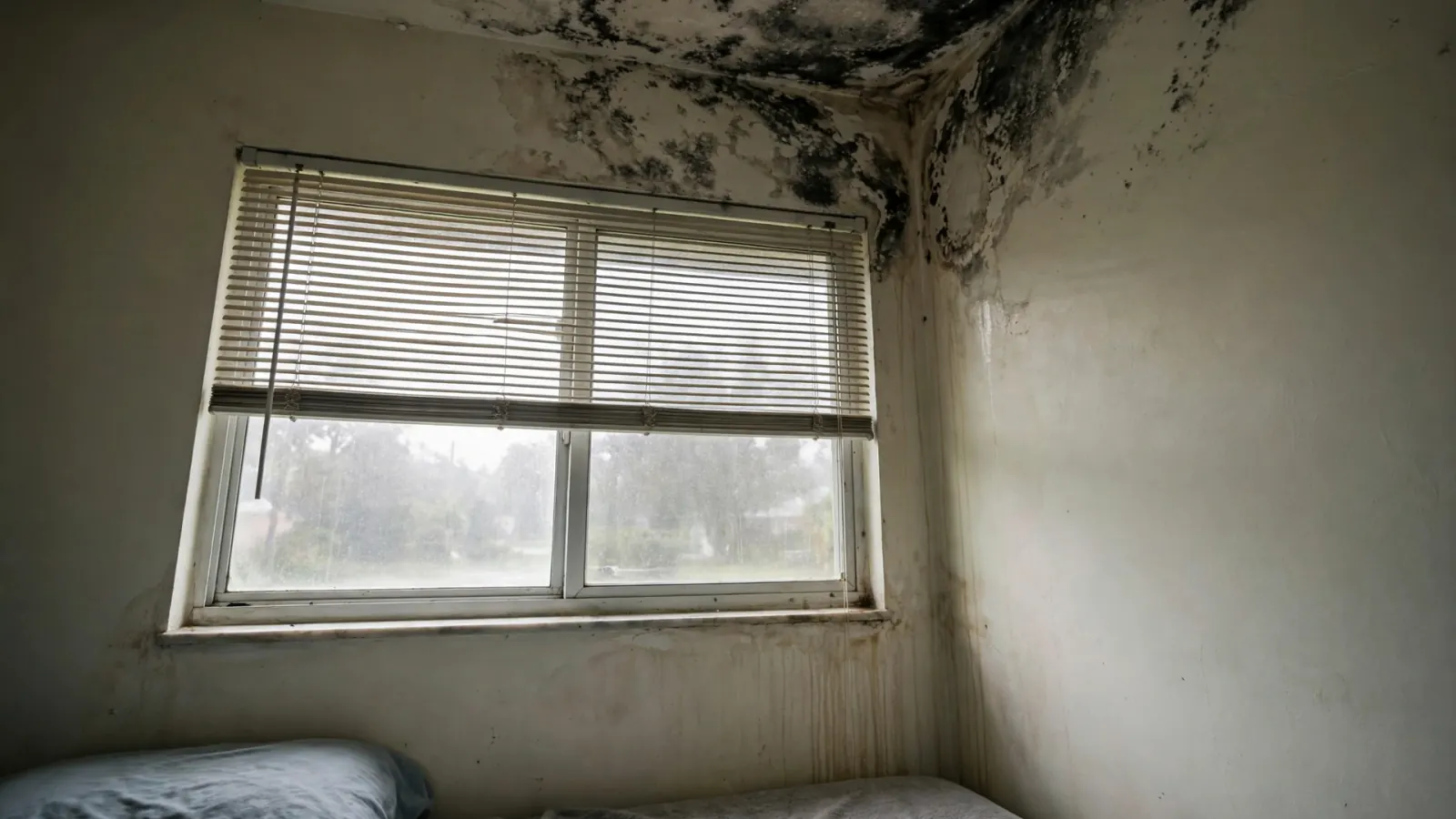
"Black mold" usually refers to Stachybotrys chartarum, a greenish-black mold that grows on materials that stay wet, such as drywall and ceiling tiles, but many molds look black. Color does not tell you how hazardous a mold is, and the CDC advises removing mold regardless of type. In Florida, remediation of more than 10 square feet for compensation generally requires a licensed mold remediator.
Short answer
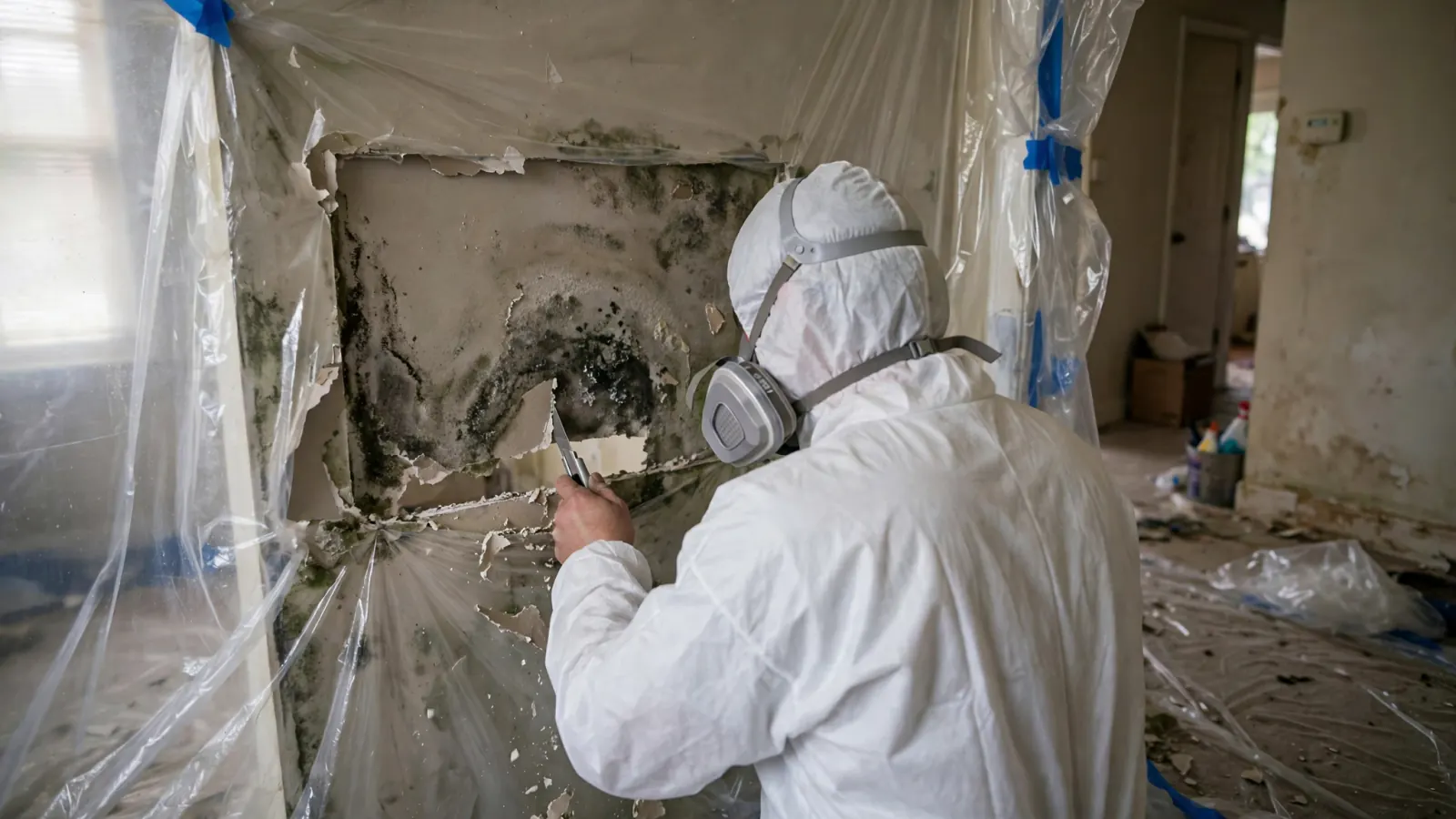
Removal follows the same principles as other mold remediation: fix the moisture source, contain the area, remove contaminated porous materials, clean remaining surfaces, and dry the structure before rebuilding.
Overview
Stachybotrys needs materials that stay wet for a long time, so finding it usually means there is or was a significant moisture problem: a slow leak, flooding that was not dried, or chronic condensation.
Removal follows the same principles as other mold remediation: fix the moisture source, contain the area, remove contaminated porous materials, clean remaining surfaces, and dry the structure before rebuilding.
Bleach is not a fix for mold on porous materials such as drywall. The EPA recommends that moldy absorbent materials generally be removed and replaced.
Common causes
Slow leaks behind walls and under sinks keep materials wet for weeks.
Drywall and insulation left wet after storm water or a large leak.
Ceilings and attic materials that stay wet after storms.
Leaking drain pans and sweating ducts in AC closets and attics.
Step by step
What an independent restoration crew typically does, from the first call to a verified dry structure.
Extent of growth and the moisture source are identified, ideally by a licensed assessor.
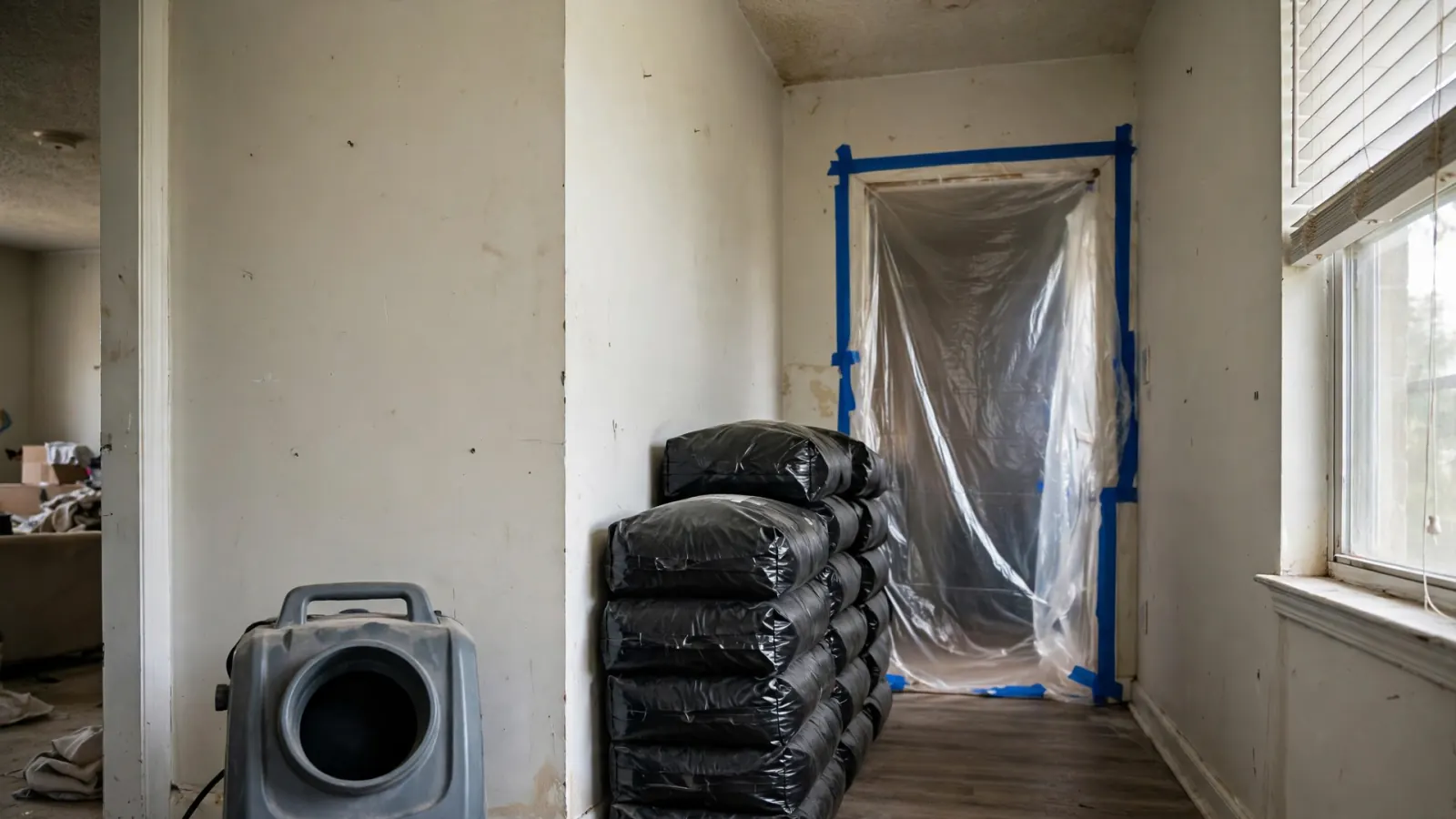
Plastic sheeting and negative air pressure keep spores from spreading.
Contaminated drywall, insulation and other porous materials are bagged and removed.
Remaining surfaces are cleaned and HEPA-vacuumed; air scrubbers run during work.
The area is dried and can be verified before rebuilding.
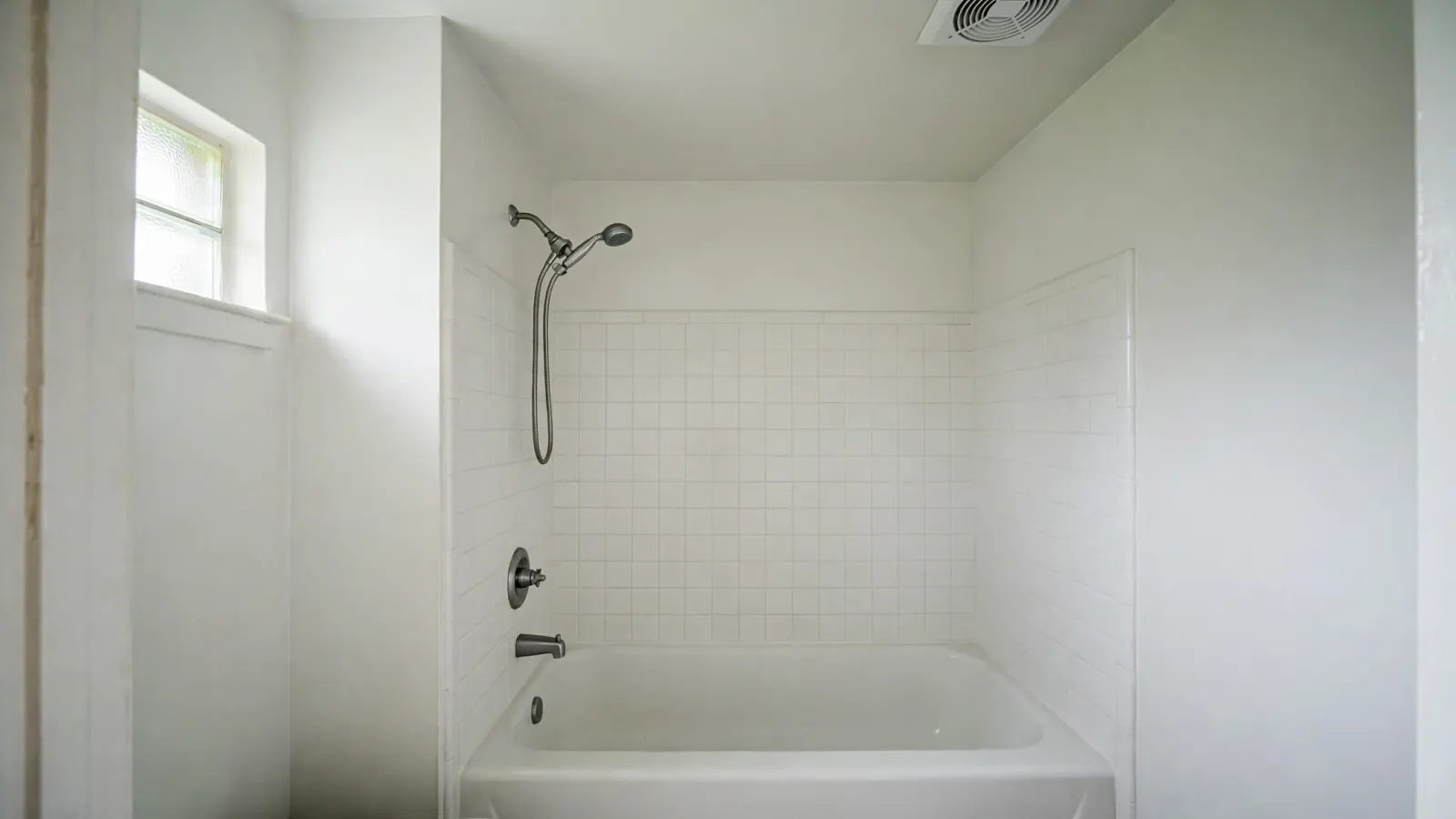
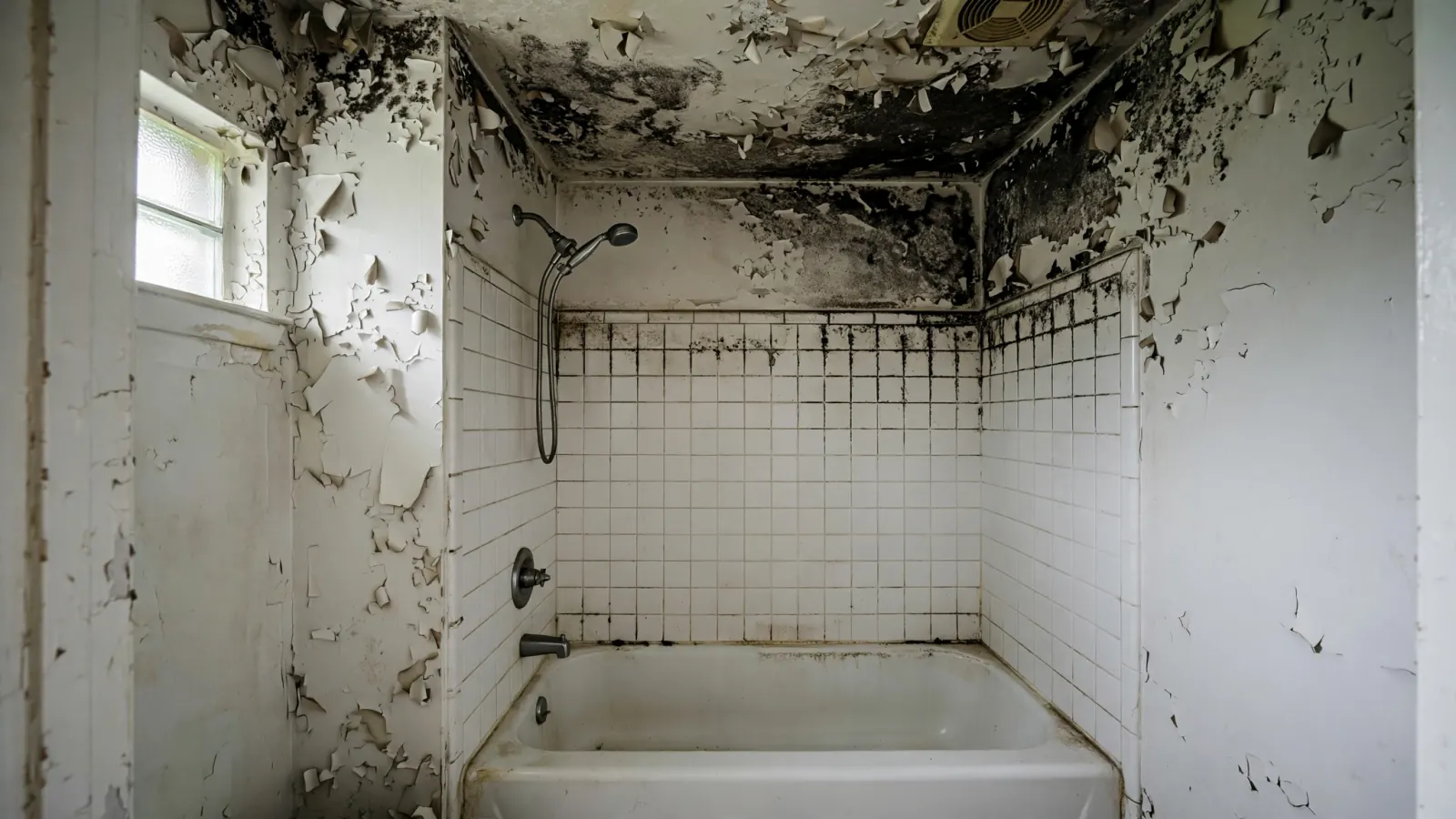
Before & after
An example of black mold removal work, from the damaged room to the finished repair. The independent company you're connected with will explain its own plan for your property.
Drag the handle to compare
Describe what happened and get connected with an independent restoration company serving your area.
Warning signs
Straight answers
Color is not a reliable guide to risk. The CDC says all mold should be treated the same way: removed, with the moisture problem fixed.
The EPA suggests homeowners may handle small areas, roughly under 10 square feet, with proper precautions. Larger areas, or growth in HVAC or after sewage or flooding, call for professionals.
Bleach does not solve mold in porous materials like drywall and can add moisture. Contaminated porous materials are generally removed.
Only lab analysis can identify the species, but identification rarely changes the removal plan. What matters is the extent and the moisture source.
Cost factors
No honest company can price water damage without measuring it. These are the factors that move the number on a Fort Pierce job.
Read the Fort Pierce cost guideSize of the area
Larger areas need more containment, removal and labor.
Location
Attics, wall cavities and AC systems are harder to access.
Materials
How much drywall, insulation or flooring must be replaced.
Moisture repair
Fixing the leak is separate but essential.
Clearance testing
Optional post-remediation testing adds cost.
Safety first
Do not scrape, sand or dry-brush mold, which releases spores. Keep people with asthma, allergies or weakened immune systems away from the area.
Related services
Mold remediation across St.
What a Fort Pierce mold inspection or assessment includes, when testing helps, Florida's mold assessor license and why assessor and remediator differ..
Clogged condensate lines and overflowing air handler pans are a common Fort Pierce leak source.
Where we connect callers
Referrals cover Fort Pierce and nearby St. Lucie County communities. The state page covers Florida rules; each city and area page explains local conditions and which government handles repair permits.
FAQ
Still unsure? Describe the problem on the phone and you will be connected with a restoration company serving your area.
Call the number on this page to be connected with an independent company; ask for a Florida-licensed mold remediator.
Stachybotrys often looks greenish-black and can appear slimy when wet and powdery when dry, but many molds look black.
Materials that stay wet for a long time, typically from slow leaks, flooding that was not dried, roof leaks or AC condensation.
It depends on how much there is and who lives there. Isolate the area, avoid disturbing it and talk with a doctor if anyone has symptoms.
Small jobs may take a day or two; larger jobs with rebuilding can take longer.
Many Florida policies limit mold coverage or cover it only when it results from a covered water loss. Check your policy's mold provisions.
Yes, if the moisture source is not fixed. Fixing the leak or humidity problem is part of the job.
Homeowners can work on their own property. For compensation, mold remediation over 10 square feet generally requires a Florida mold remediator license.
Mold can grow on dirt and organic residue on concrete. Concrete is cleaned rather than removed.
No. Paint hides mold temporarily; it keeps growing if moisture remains.
Active mold growth often produces a musty, earthy odor.
Testing to identify species is rarely necessary. Assessment of extent and moisture source is more useful.
Yes, particularly around wet drain pans and coils. AC systems should be evaluated by an HVAC professional.
Plastic barriers and negative air pressure that keep spores in the work area while materials are removed.
No. Calling is free and you are under no obligation to hire the company you are connected with.
Other main services
Every water damage restoration service explained: extraction, mitigation, drying, leaks, flood, sewage, condo, commercial and repair in St.
Fire damage restoration across St.
Biohazard cleanup across St.
Guides
Free referral to an independent company serving Fort Pierce and St. Lucie County. No obligation to hire.