
Mold guide
Mold vs. Mildew: How to Tell the Difference
Mold vs. mildew: how each looks, where they grow in Florida homes, how to clean surface mildew safely, and when growth signals a moisture problem.
Short answer
Short answer: Mold vs. Mildew: How to Tell the Difference
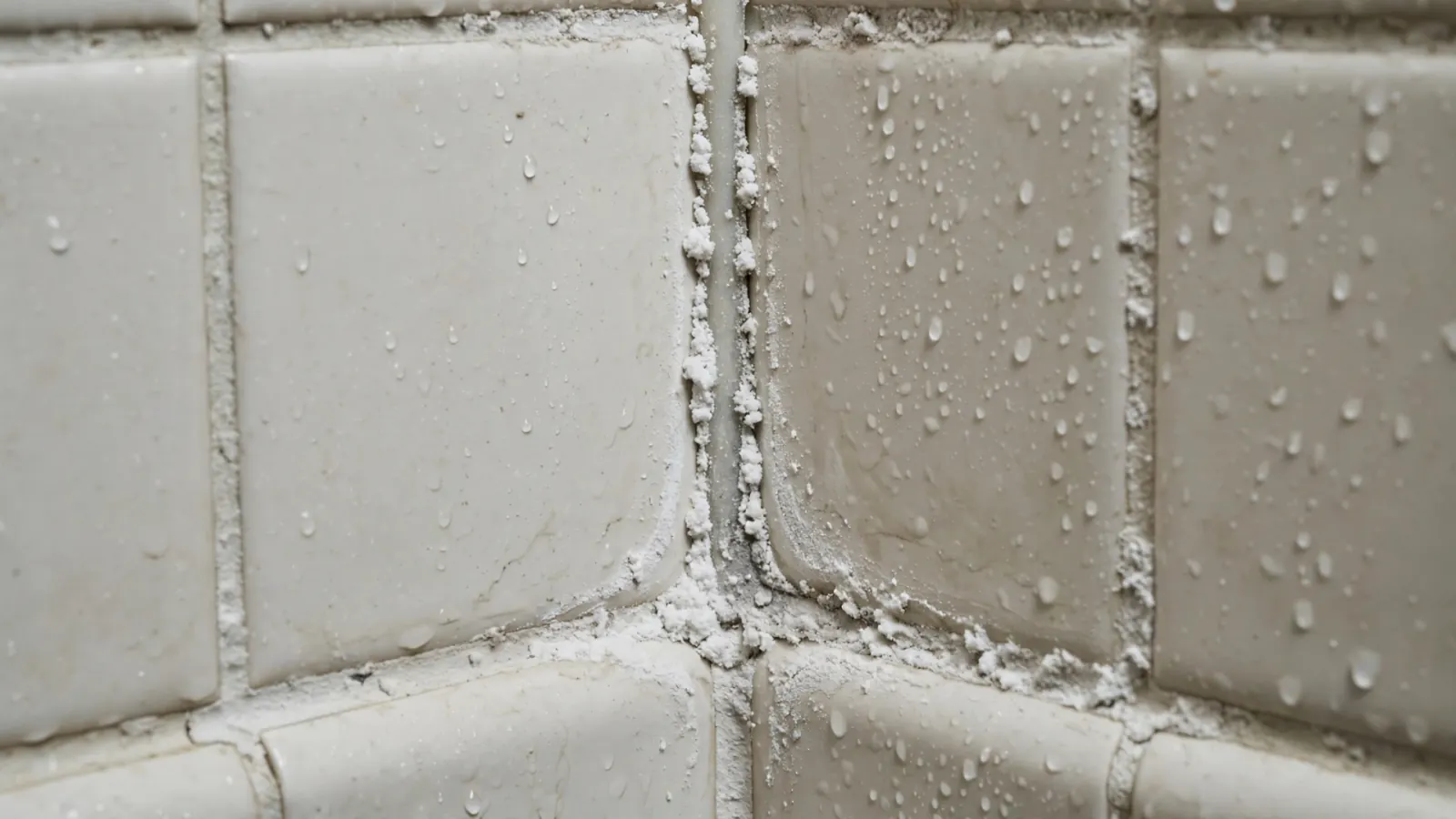
Mildew is an everyday name for mold growing flat on a surface, usually powdery and white, gray or yellowish, such as on shower grout or a damp windowsill. What people call mold tends to be fuzzy or slimy, black, green or other colors, and may grow into materials like drywall and wood. Both come from moisture. Surface mildew on hard surfaces is usually easy to clean; spreading growth or growth inside materials signals a moisture problem to fix.
- Call (772) 218-9226
- Mold Remediation
- Black Mold Removal
- Mold Inspection & Testing
In this guide
- 1Same family, different everyday names
- 2How to tell them apart
- 3Where they show up in Florida homes
- 4Cleaning surface mildew safely
- 5When it is more than mildew
- 6Preventing both
Same family, different everyday names
Mildew is not a separate scientific category in household use. It is a common term for certain molds and fungi that grow flat on surfaces. When homeowners say "mold," they usually mean thicker, fuzzier or darker growth that can work its way into porous materials. Either way, the cause is the same: moisture.
How to tell them apart
| Mildew (surface growth) | Mold (deeper growth) | |
|---|---|---|
| Look | Flat, powdery or slightly fuzzy | Fuzzy, slimy or raised; may look stained into the material |
| Color | Usually white, gray or yellowish, darkening with time | Black, green, blue, white, orange and more |
| Where | Shower grout, caulk, windowsills, fabrics left damp | Drywall, wood, ceiling tiles, carpet backing, inside walls |
| Cleaning | Usually wipes off hard surfaces with cleaner | Porous materials often need to be removed |
| What it suggests | Routine humidity or splash moisture | A leak, flood or long-term moisture problem |
Where they show up in Florida homes
- Bathrooms without a working exhaust fan.
- Window frames and sills where AC-cooled glass meets humid air.
- Closets on exterior walls.
- Around AC vents and in the air handler closet.
- Under sinks and behind appliances that leak.
- Rooms closed up while a home sits empty.
Dealing with this right now?
Call to be connected with an independent restoration company serving Fort Pierce and St. Lucie County.
Cleaning surface mildew safely
The EPA recommends scrubbing mold off hard surfaces with detergent and water and drying completely. Wear gloves and eye protection, and an N95 respirator for anything more than a small spot. If you choose bleach, the CDC's guidance is no more than one cup of household bleach per gallon of water, never mixed with ammonia or other cleaners, with windows open.
- Fix or reduce the moisture first: run the bath fan, wipe down showers, dry spills.
- Clean hard surfaces with detergent and water; dry them fully.
- Replace moldy caulk rather than scrubbing it endlessly.
- Wash or discard fabrics with mildew.
When it is more than mildew
- Growth spreads or returns quickly after cleaning.
- It is on or inside drywall, wood or ceiling tiles.
- There is a musty odor without visible growth.
- The area is larger than about 10 square feet, the size the EPA flags for larger cleanups.
- It followed a leak, flood or AC overflow.
- Someone in the home has asthma, allergies or a weakened immune system.
Preventing both
Keep indoor humidity below 60 percent (ideally 30 to 50 percent, per the EPA), run bath and kitchen exhaust fans, fix leaks quickly, keep AC drain lines clear and dry wet materials within 24 to 48 hours.
Related services
Services that go with this guide
Mold Remediation
Mold remediation across St.
Black Mold Removal
What black mold really is, why color doesn't decide the risk, when Florida requires a licensed remediator and how black mold is removed from homes..
Mold Inspection and Testing
What a Fort Pierce mold inspection or assessment includes, when testing helps, Florida's mold assessor license and why assessor and remediator differ..
Guides
Keep reading
- Does Bleach Kill Mold?When bleach works on mold and when it does not, the CDC's safe mixing limit, why porous materials are removed, and safer cleanup steps.
- The Best Indoor Humidity to Prevent Mold in FloridaThe indoor humidity range the EPA recommends to prevent mold, how to measure it, and how Florida homes keep it down with AC and dehumidifiers.
FAQ
Questions people ask
Still unsure? Describe the problem on the phone and you will be connected with a restoration company serving your area.
What is the difference between mold and mildew?
Mildew is a common name for mold that grows flat on surfaces. What people call mold is usually thicker, fuzzier and can grow into materials.
Is mildew a type of mold?
In everyday use, yes. Mildew refers to certain molds and fungi growing on surfaces.
How can I tell if it is mold or mildew?
Mildew is usually flat and powdery; mold is often fuzzy or slimy and can stain into porous materials.
Is mildew harmful?
It can cause allergy-like symptoms in sensitive people, like other molds. Clean it and fix the moisture.
What color is mildew?
Usually white, gray or yellowish, sometimes darkening over time.
Why does my shower keep getting mildew?
Moisture lingers. Run the exhaust fan, wipe surfaces and replace moldy caulk.
Can I clean mildew with bleach?
On hard surfaces you can, at no more than one cup of bleach per gallon of water per CDC guidance. Never mix bleach with ammonia.
Does vinegar kill mildew?
Many people use it on hard surfaces. The EPA's basic advice is detergent and water, then drying completely.
Why do my window sills get mildew?
Cool glass from the AC meets humid air and forms condensation. Wipe it and keep humidity down.
Is black mold worse than mildew?
Color does not tell you how harmful a mold is. Any significant growth should be removed and the moisture fixed.
When should I call a professional for mold?
When growth is in walls or porous materials, keeps returning, is larger than about 10 square feet or followed water damage.
Can mildew grow on clothes?
Yes, when damp clothes are left in a closet or washer. Wash promptly and dry fully.
What humidity stops mildew?
The EPA recommends indoor humidity below 60 percent, ideally 30 to 50 percent.
Does mold smell different from mildew?
Both smell musty. A strong musty odor without visible growth can mean hidden mold.
Who handles mold in Fort Pierce?
Call the number on this page to be connected with an independent licensed company serving Fort Pierce.
Talk to a restoration company serving Fort Pierce
Free referral. No obligation to hire.