
How fast can mold grow after water damage?
Materials that stay wet beyond roughly 24 to 48 hours can begin supporting mold growth, depending on temperature, humidity and the material. Fort Pierce's humidity makes prompt drying especially important.
Water, fire, mold & biohazard referral line for Fort Pierce & St. Lucie County, FLFort Pierce, FL restoration help
St. Lucie County, FL
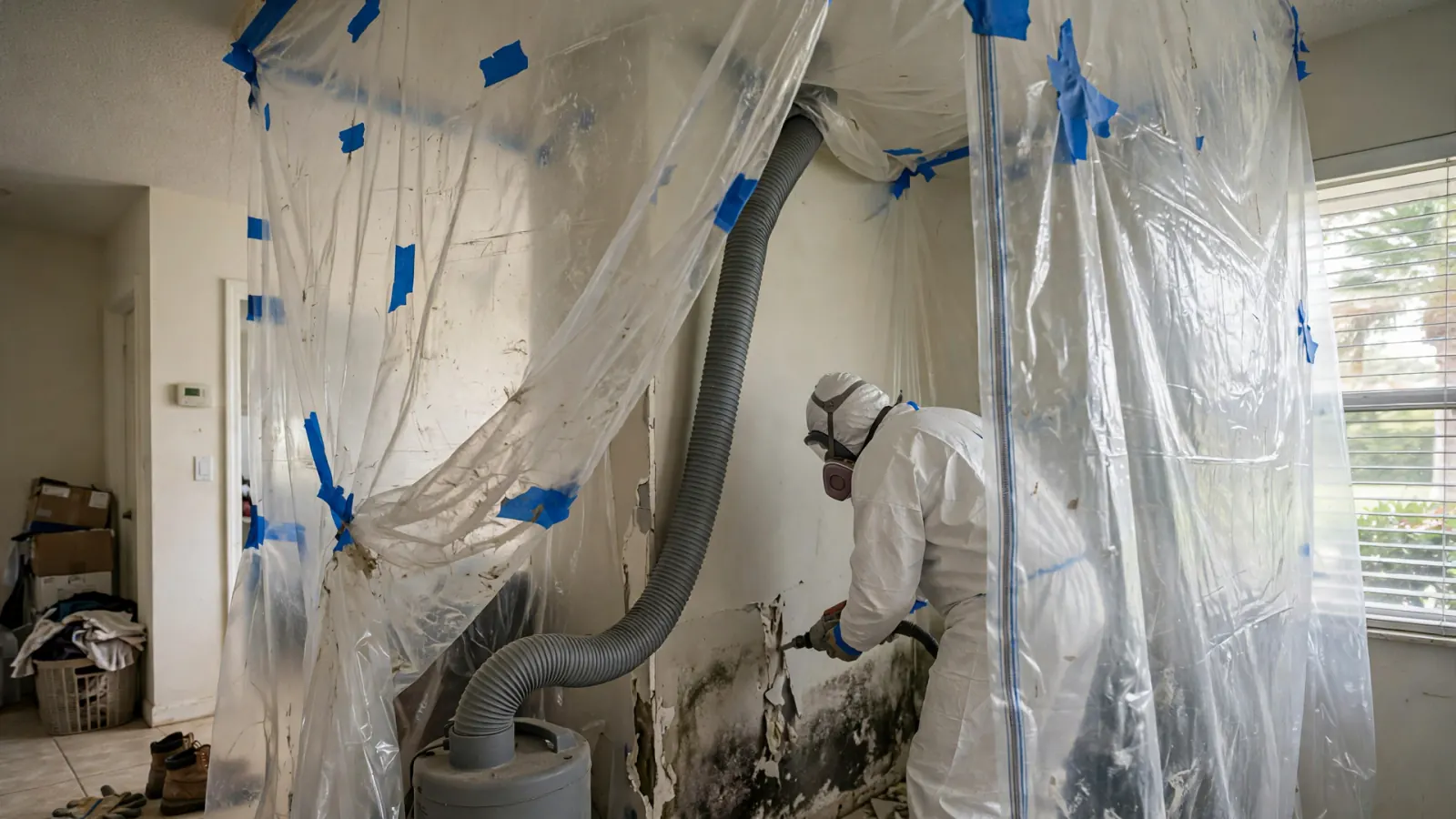
Mold remediation is the removal of mold-contaminated materials and the cleaning of affected areas under containment, followed by correcting the moisture problem that caused it. In Florida, mold remediation and mold assessment of more than 10 square feet are regulated activities that require a license from the Florida Department of Business and Professional Regulation (DBPR).
Overview
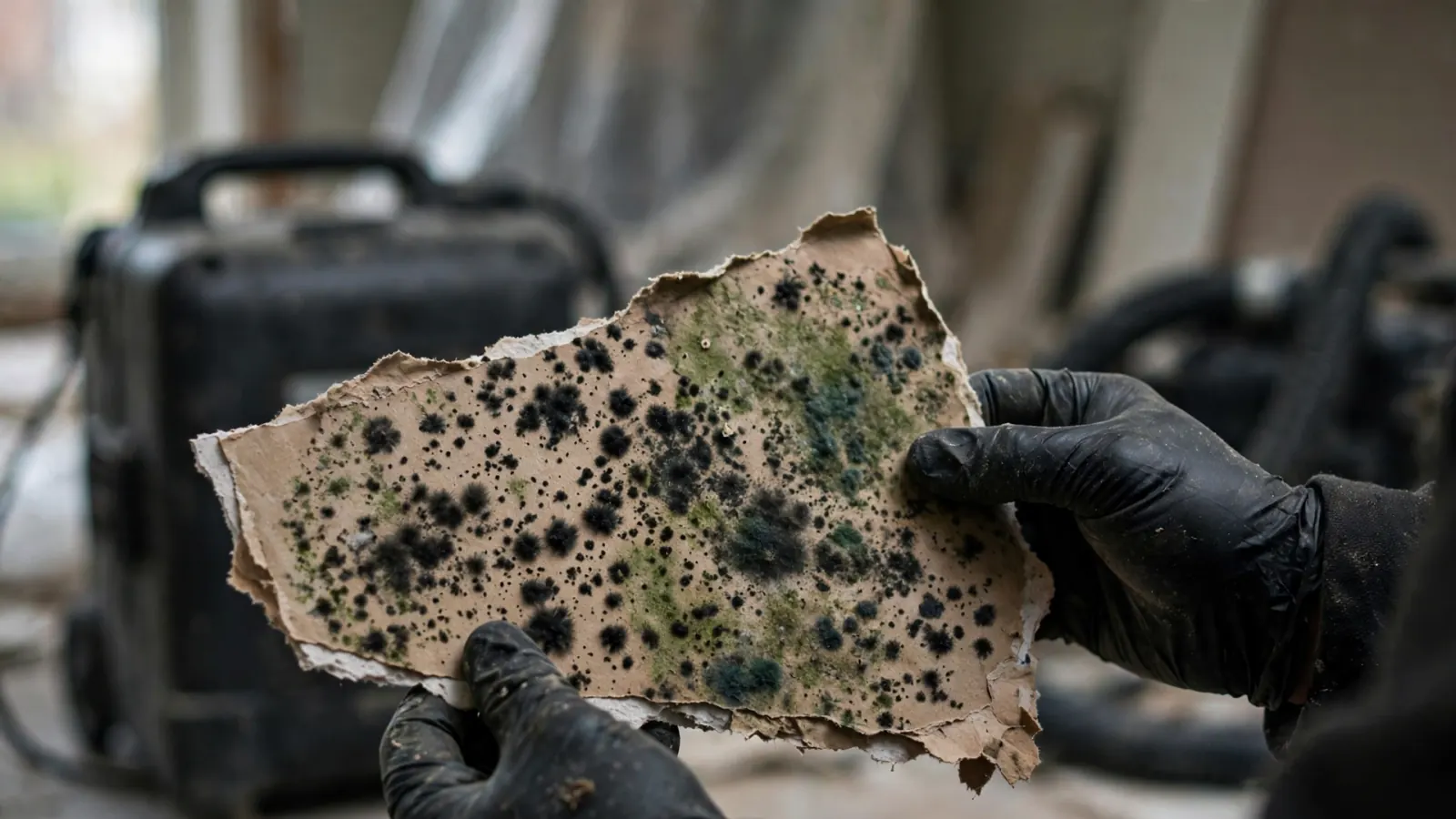
Mold needs moisture. After a water loss, materials that are not dried within roughly 24 to 48 hours can begin supporting mold growth, and in a humid climate like the Treasure Coast's that window matters. Remediation without fixing the moisture source does not last: the leak, the AC drain or the humidity problem has to be solved too.
Florida law separates mold assessment (inspection and sampling) from mold remediation, and a company generally may not remediate a property that its own assessor evaluated within the previous 12 months. Ask any company you hire for its DBPR license number and verify it at myfloridalicense.com.
Mold Remediation services
What a Fort Pierce mold inspection or assessment includes, when testing helps, Florida's mold assessor license and why assessor and remediator differ..
What black mold really is, why color doesn't decide the risk, when Florida requires a licensed remediator and how black mold is removed from homes..
Warning signs
A persistent musty or earthy odor
Visible spotting or discoloration on drywall, baseboards, ceilings or cabinet backs
Mold returning after surface cleaning
Materials that stayed wet for more than a couple of days after a leak
Peeling paint or warped materials in areas with past water damage
Step by step
What an independent restoration crew typically does, from the first call to a verified dry structure.
Remediation starts with the cause: a leak, an AC condensate problem, a roof issue or high indoor humidity.
A licensed mold assessor may inspect and sample to define the scope, especially for larger or hidden problems or when clearance is required.
The work area is isolated with plastic sheeting and kept under negative air pressure with HEPA-filtered air scrubbers so spores do not spread.
Contaminated porous materials are removed and bagged; framing and other surfaces are cleaned and HEPA-vacuumed.
Materials are dried, and post-remediation verification may be performed before rebuild.
Before & after
An example of mold remediation work, from the damaged room to the finished repair. The independent company you're connected with will explain its own plan for your property.
Drag the handle to compare
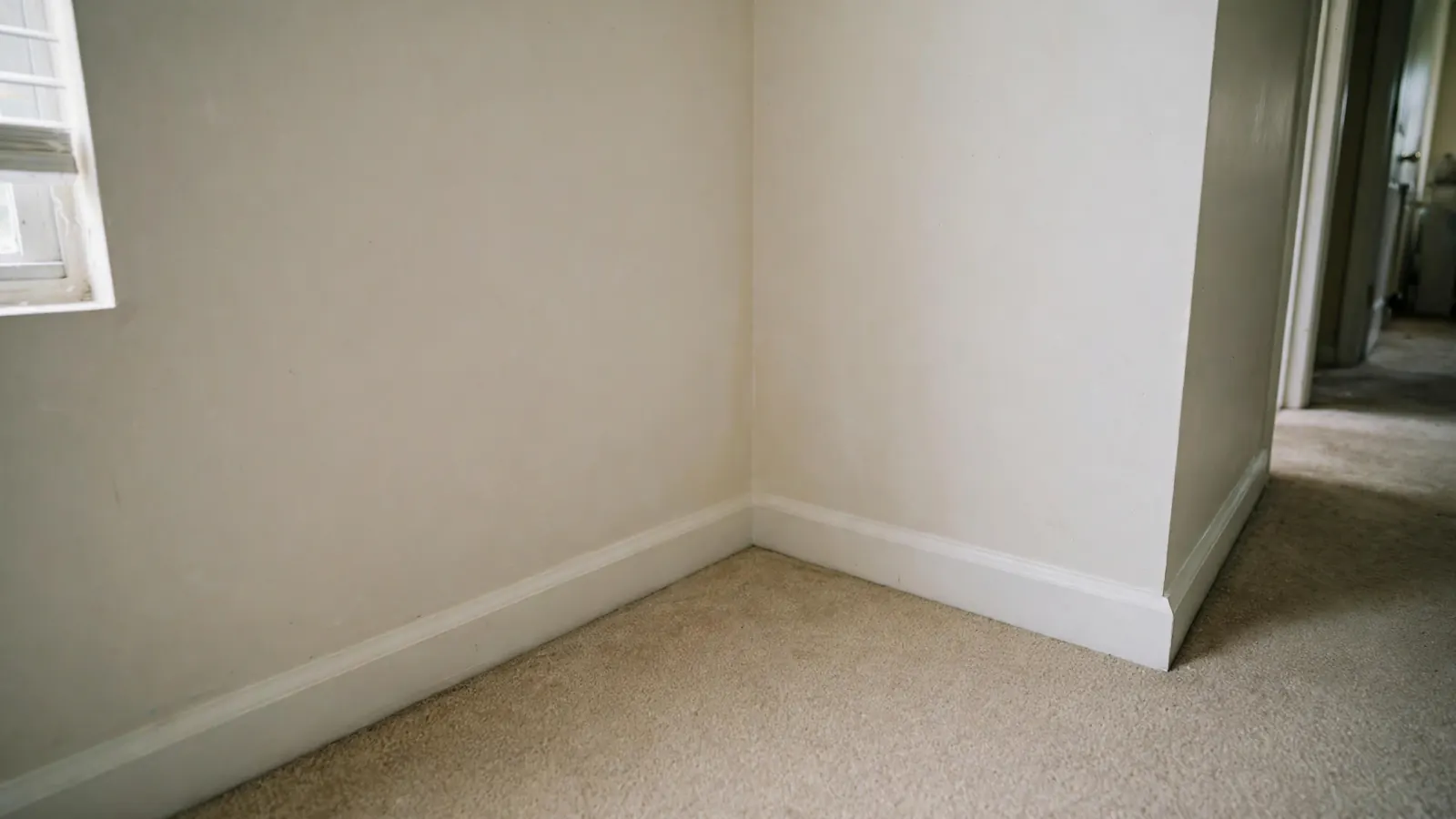
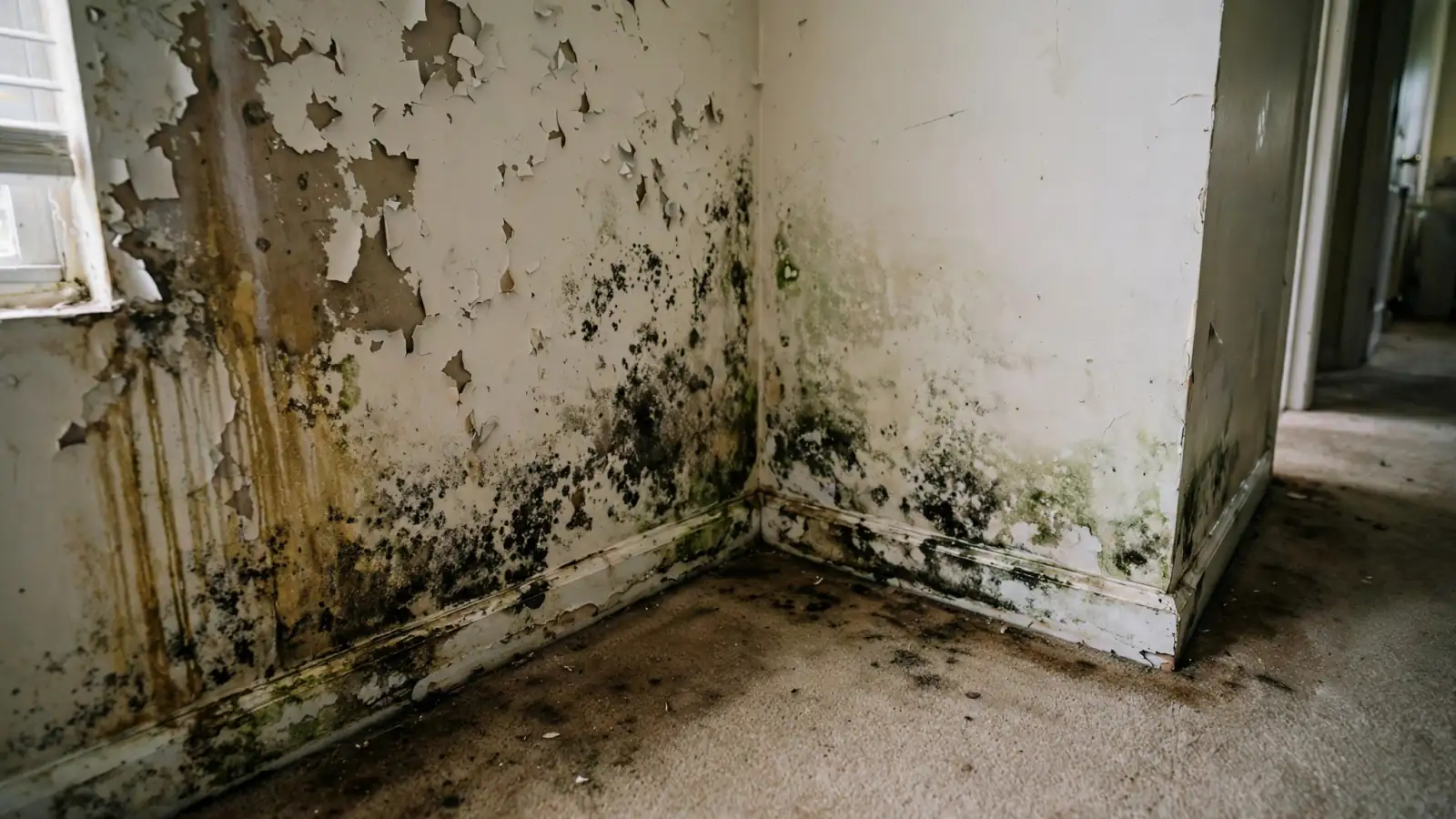
Describe what happened and get connected with an independent restoration company serving your area.
Straight answers
Materials that stay wet beyond roughly 24 to 48 hours can begin supporting mold growth, depending on temperature, humidity and the material. Fort Pierce's humidity makes prompt drying especially important.
No. Leaks that are stopped quickly and dried to verified levels usually do not. Mold follows moisture that lingers: slow hidden leaks, closed-up wet walls and high indoor humidity.
Florida's statutory definitions of mold assessment and mold remediation apply to areas larger than 10 square feet. Work above that size requires a licensed Mold Assessor or Mold Remediator. Verify any license at myfloridalicense.com.
Cost factors
No honest company can price water damage without measuring it. These are the factors that move the number on a Fort Pierce job.
Read the Fort Pierce cost guideSize of the affected area
Florida's licensing thresholds and the amount of material removed both depend on square footage.
Location
Mold in attics, crawl spaces, inside walls or HVAC systems is harder to reach.
Assessment and testing
Pre- and post-remediation assessment by an independent licensed assessor is a separate cost.
Containment requirements
Larger jobs need more extensive containment and air filtration.
Rebuild
Replacing removed drywall, insulation and finishes is usually separate.
Insurance & details
For larger or hidden mold problems, many property owners hire an independent licensed mold assessor first. The assessor defines the scope, often with sampling, and may perform clearance testing afterwards. Florida law generally bars the same company, or a related one, from remediating a property it assessed within the previous 12 months, which helps keep the assessment independent.
Before hiring, ask each company for its Florida DBPR license number and verify it at myfloridalicense.com, ask for proof of insurance, and ask for a written scope that describes containment, what will be removed and how the area will be verified before rebuilding.
Most mold problems in Fort Pierce homes trace back to moisture that lingered: slow leaks under sinks and behind appliances, AC condensate overflows, roof leaks that were patched but not dried, and walls closed up before they were dry. Keeping indoor humidity controlled, maintaining the AC drain, and drying any leak promptly to verified readings prevent most of them.
Safety first
People with allergies, asthma or compromised immune systems should avoid areas with visible mold. Do not disturb large areas of mold yourself: it can release spores throughout the home.
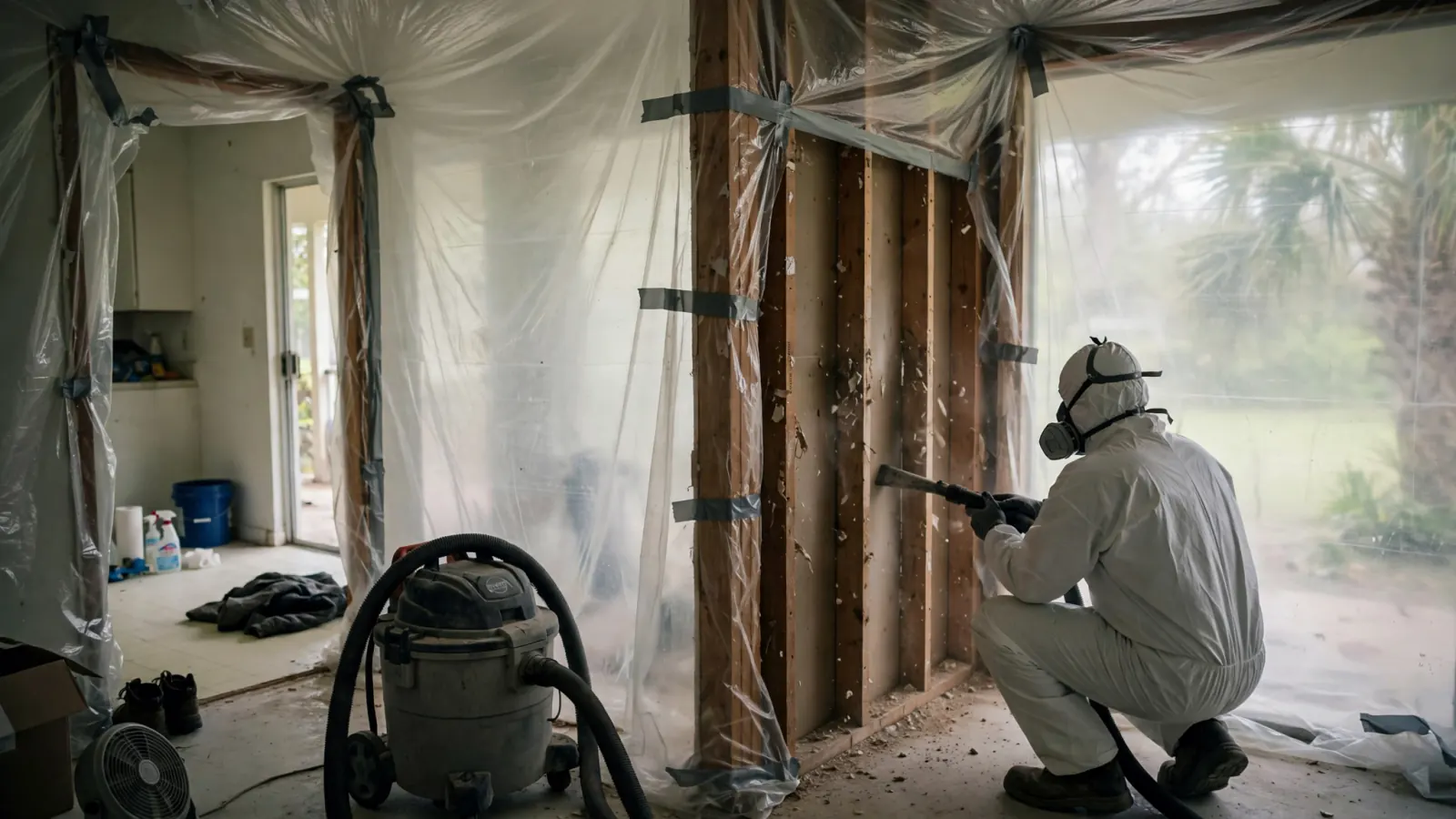
On site
Remediation starts with the cause: a leak, an AC condensate problem, a roof issue or high indoor humidity.
A licensed mold assessor may inspect and sample to define the scope, especially for larger or hidden problems or when clearance is required.
Fort Pierce context
High humidity for much of the year, frequent summer rain and near-constant AC use create conditions where water damage can turn into a mold problem quickly. AC condensate leaks and slow plumbing leaks are common hidden sources.
Referrals for mold remediation are made only to companies holding the appropriate Florida DBPR mold license. Verify any license yourself before signing.
Average rainfall
About 51 in/yr (1991–2020)
Main flood sources (City of Fort Pierce)
Summer downpours and tropical systems
Hurricane season
June 1 – November 30
Check your flood zone
FEMA Flood Map Service Center
Related services
Clogged condensate lines and overflowing air handler pans are a common Fort Pierce leak source.
How structural drying works in Fort Pierce's humid climate: air movers, dehumidifiers, daily moisture readings and drying logs insurers expect..
Burst supply lines, slab leaks and hidden plumbing leaks in Fort Pierce: what to do first, how cleanup and drying work and what insurance often covers..
After drying comes rebuilding: drywall, flooring, cabinets, paint and permits in Fort Pierce and St.
Where we connect callers
Referrals cover Fort Pierce and nearby St. Lucie County communities. The state page covers Florida rules; each city and area page explains local conditions and which government handles repair permits.
FAQ
Still unsure? Describe the problem on the phone and you will be connected with a restoration company serving your area.
Yes. Florida licenses Mold Remediators and Mold Assessors through the DBPR. The statutory definitions of mold assessment and remediation apply to areas larger than 10 square feet. You can verify a license at myfloridalicense.com.
Florida law generally prohibits a mold remediator from remediating a structure on which it or a related company performed the mold assessment within the preceding 12 months, with limited exceptions. Ask the companies involved how they comply.
Testing is not always necessary when mold is visible and the cause is known. It can help when mold is suspected but hidden, when health concerns exist, or when clearance documentation is needed for a sale or insurance.
Bleach may lighten surface staining on non-porous surfaces, but it does not remove mold from porous materials such as drywall and can leave moisture behind. Professional remediation removes contaminated materials.
Depends on the size and location of the work and your household's health. Containment keeps work areas separate, but ask the remediator.
Not if the moisture source is fixed and materials stay dry. Remediation without fixing the cause rarely lasts.
An inspection, often by an independent assessor, confirming that remediation removed the mold and the area is ready to rebuild.
Coverage varies widely and is often limited. Mold resulting from a covered sudden water loss is treated differently from mold caused by long-term leaks.
Florida-licensed mold remediators for areas over 10 square feet. Call the number on this page to be connected with a company that holds the license.
Musty odors, past leaks and staining are clues. A licensed mold assessor can inspect and sample.
Any significant mold growth can affect indoor air quality and people with allergies or asthma. Have it removed properly.
It depends on the area affected, location, containment and testing. Ask for a written scope.
No. Paint doesn't remove mold and it can grow back through. Fix the moisture and remove the growth.
Keeping indoor humidity controlled with a working AC and dehumidification, and drying leaks promptly, prevents most growth.
Yes. Florida DBPR licenses Mold Assessors and Mold Remediators separately.
Other main services
Every water damage restoration service explained: extraction, mitigation, drying, leaks, flood, sewage, condo, commercial and repair in St.
Fire damage restoration across St.
Biohazard cleanup across St.
Guides
Free referral to an independent company serving Fort Pierce and St. Lucie County. No obligation to hire.