Fort Pierce · Port St. Lucie · St. Lucie County, FL
Water Damage Restoration in Fort Pierce, One Call Away
Emergency water extraction, flood damage cleanup, structural drying and water damage repair. Call and get connected with an independent, local restoration company that serves your part of St. Lucie County.
- No obligation to hire
- Verify licenses before you sign
One phone call
No forms. Describe the problem and get connected.
Local coverage
Fort Pierce, Port St. Lucie and nearby communities.
Verify first
Florida DBPR licenses: myfloridalicense.com.
Insurance-ready
Photos, moisture maps and drying logs.
Start here
What is the water doing?
Pick what you are seeing to get the first thing to do, why it matters and the service that handles it. Tap a situation, or use the arrow keys on a keyboard.
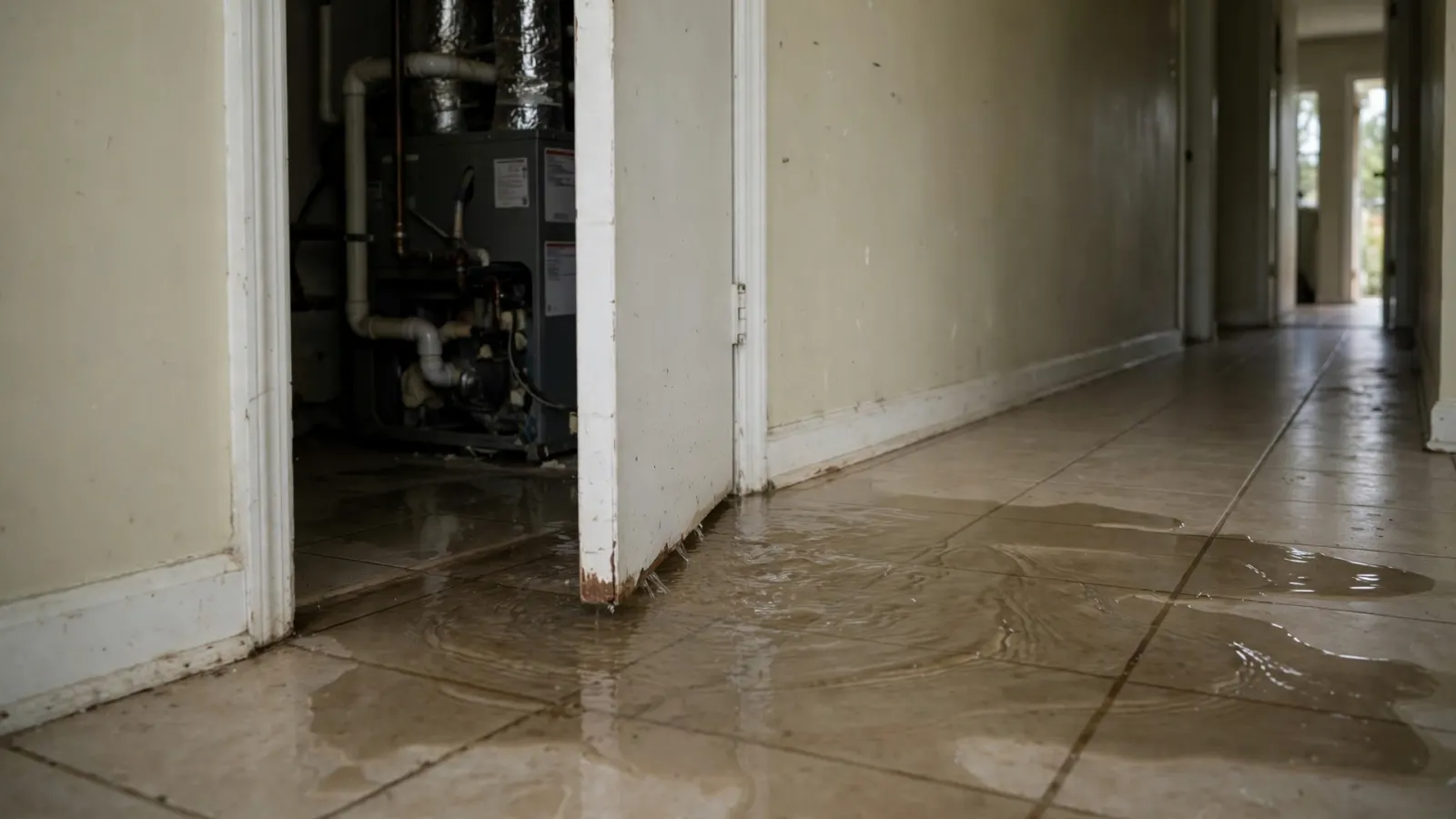
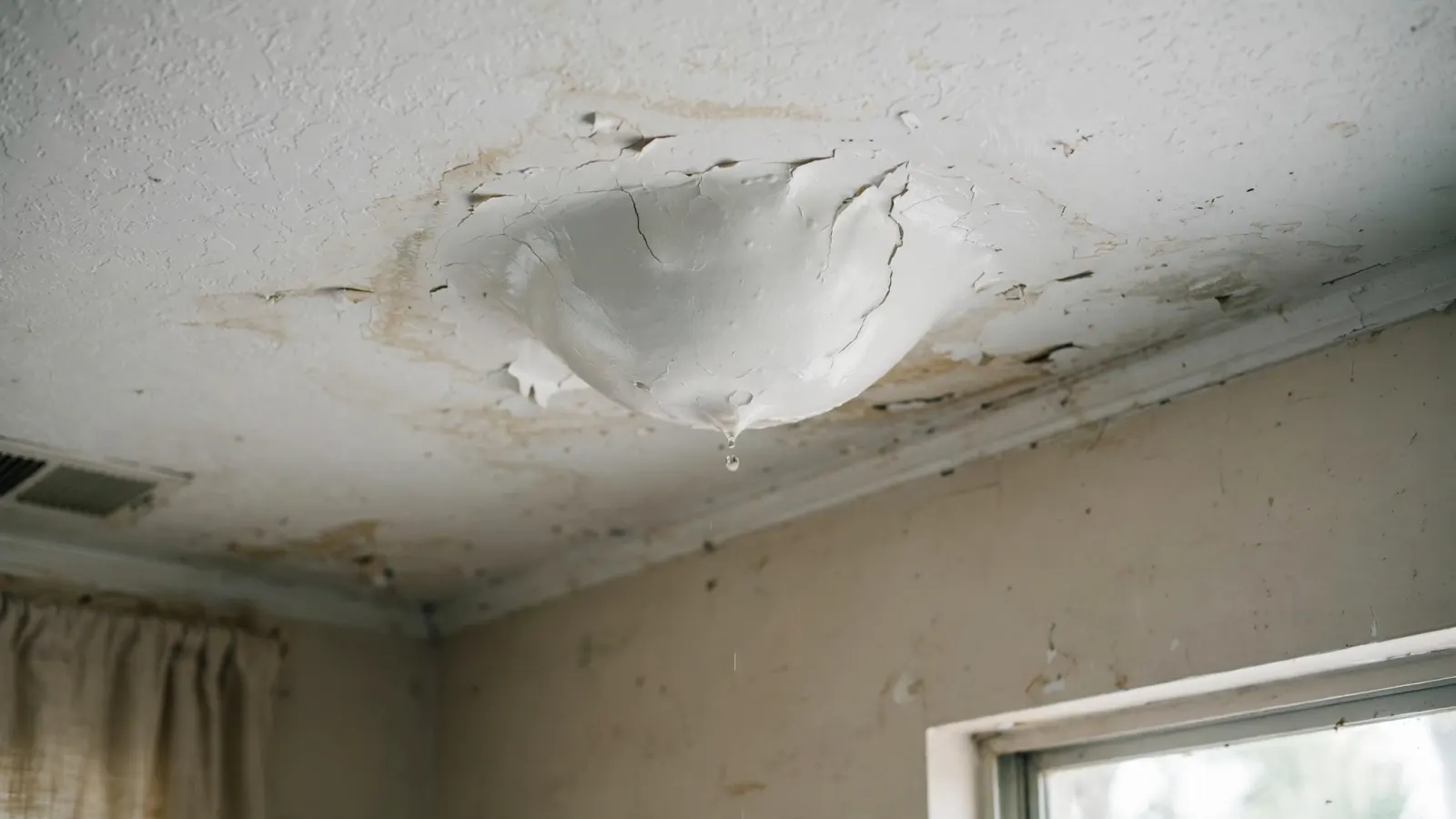
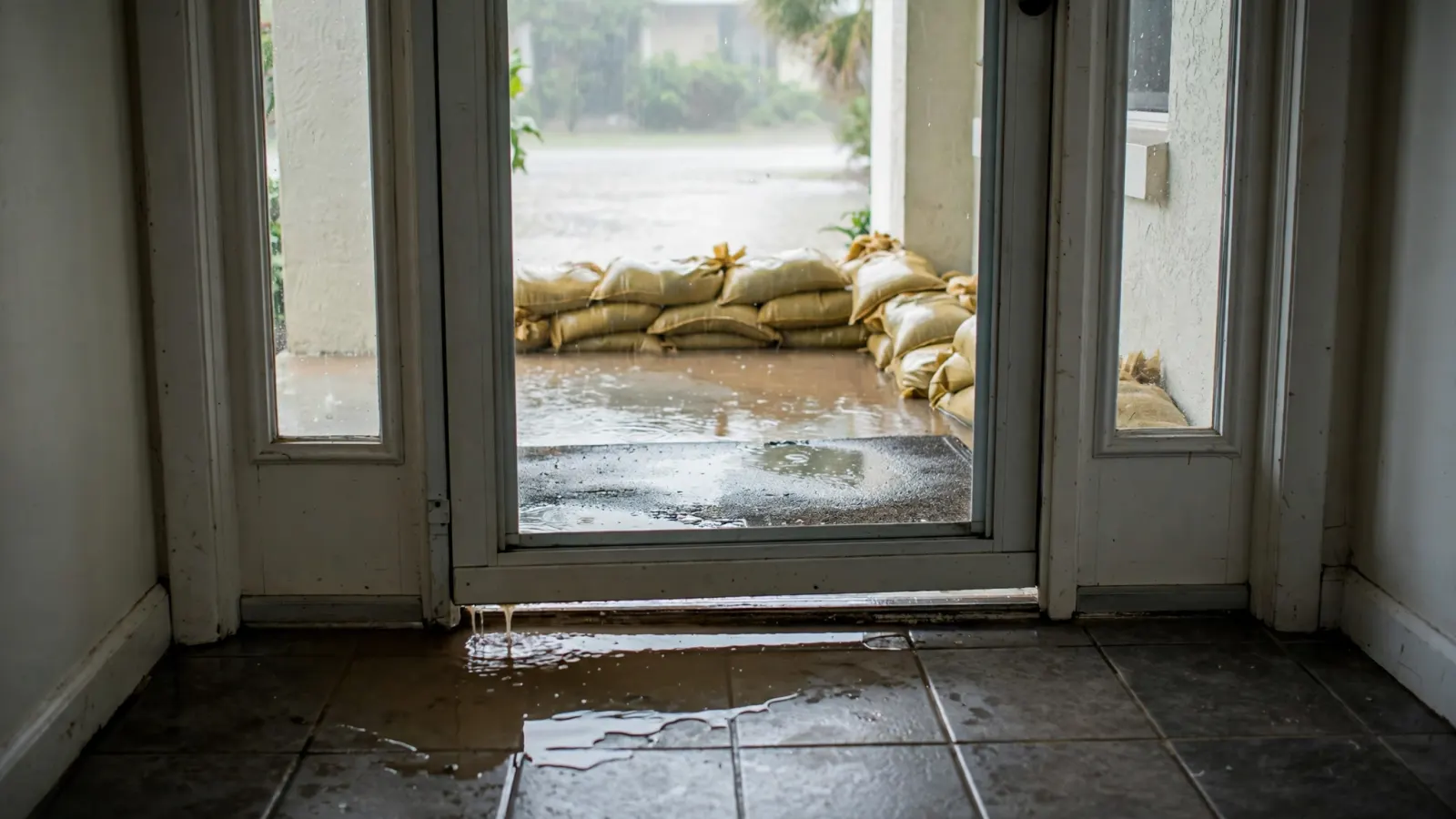
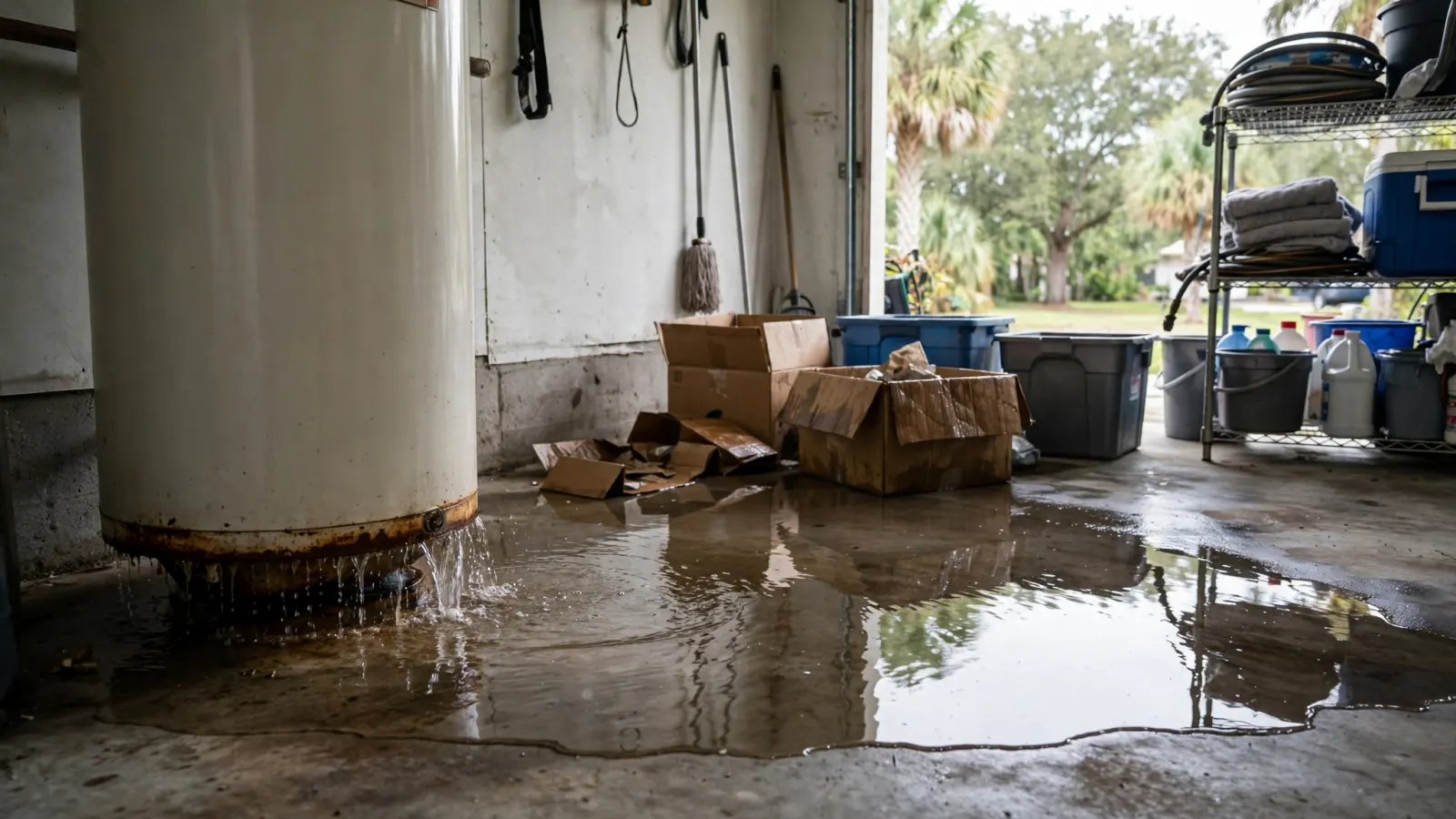
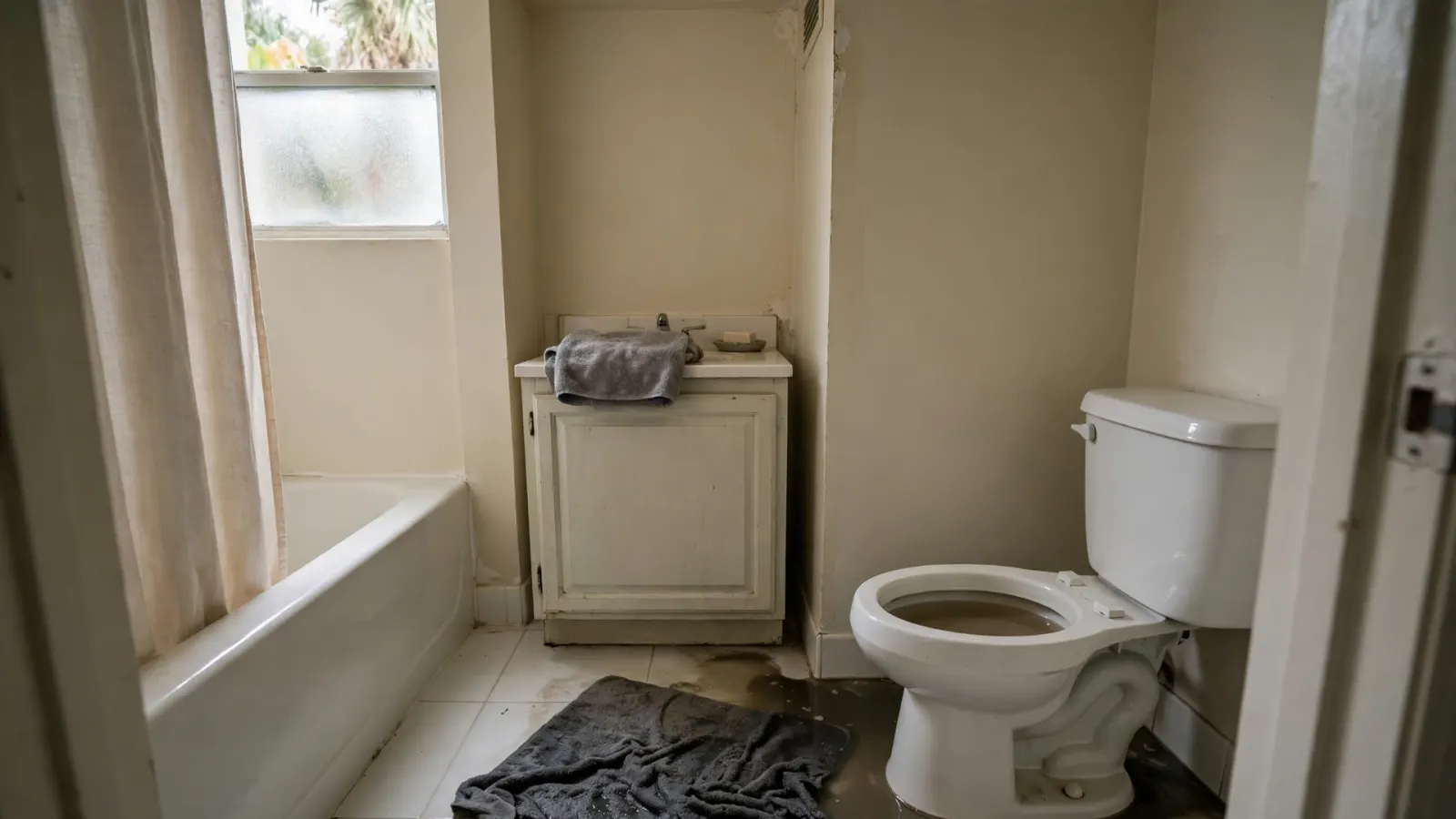
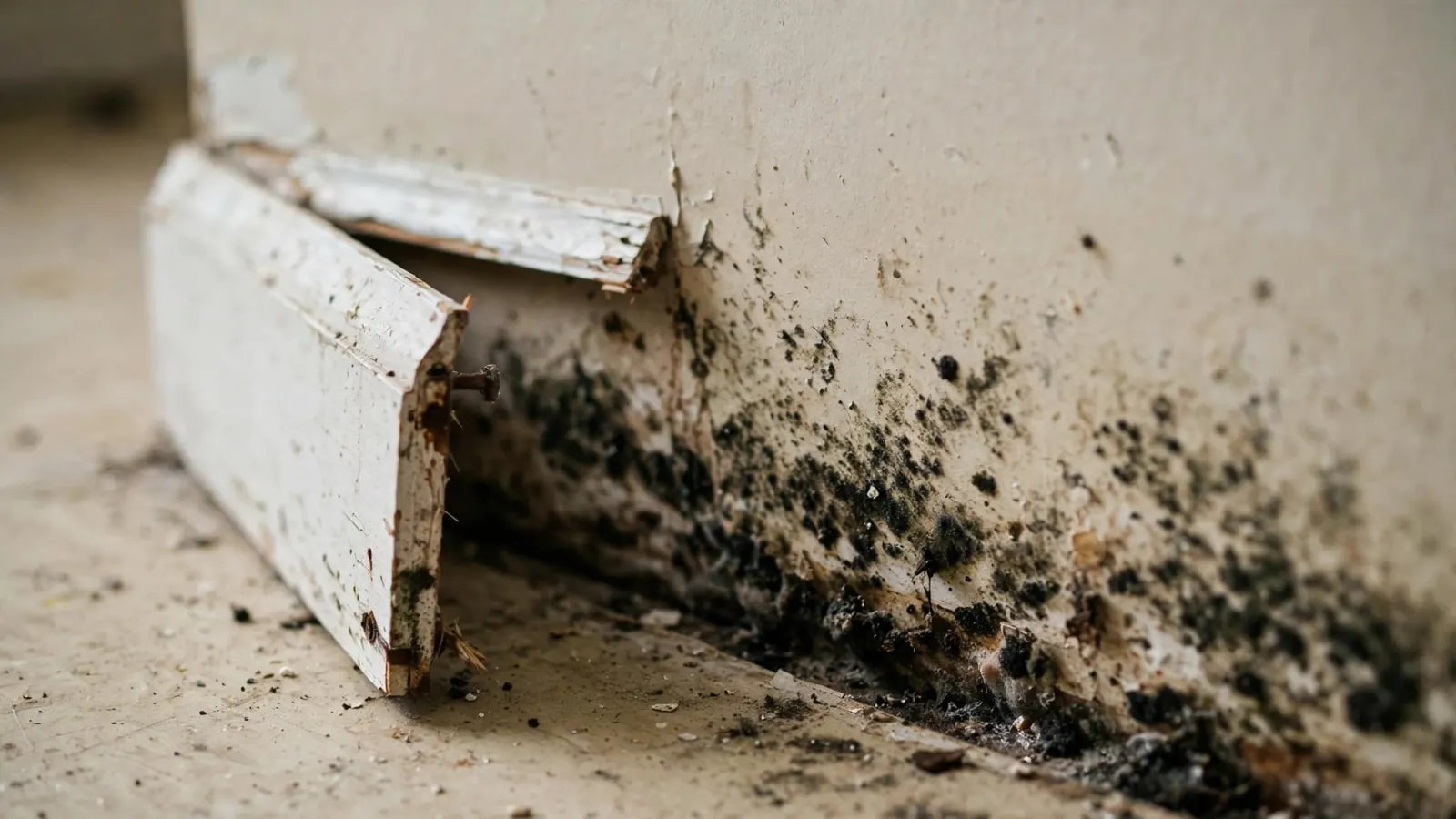 1 / 8
Water Removal & Extraction
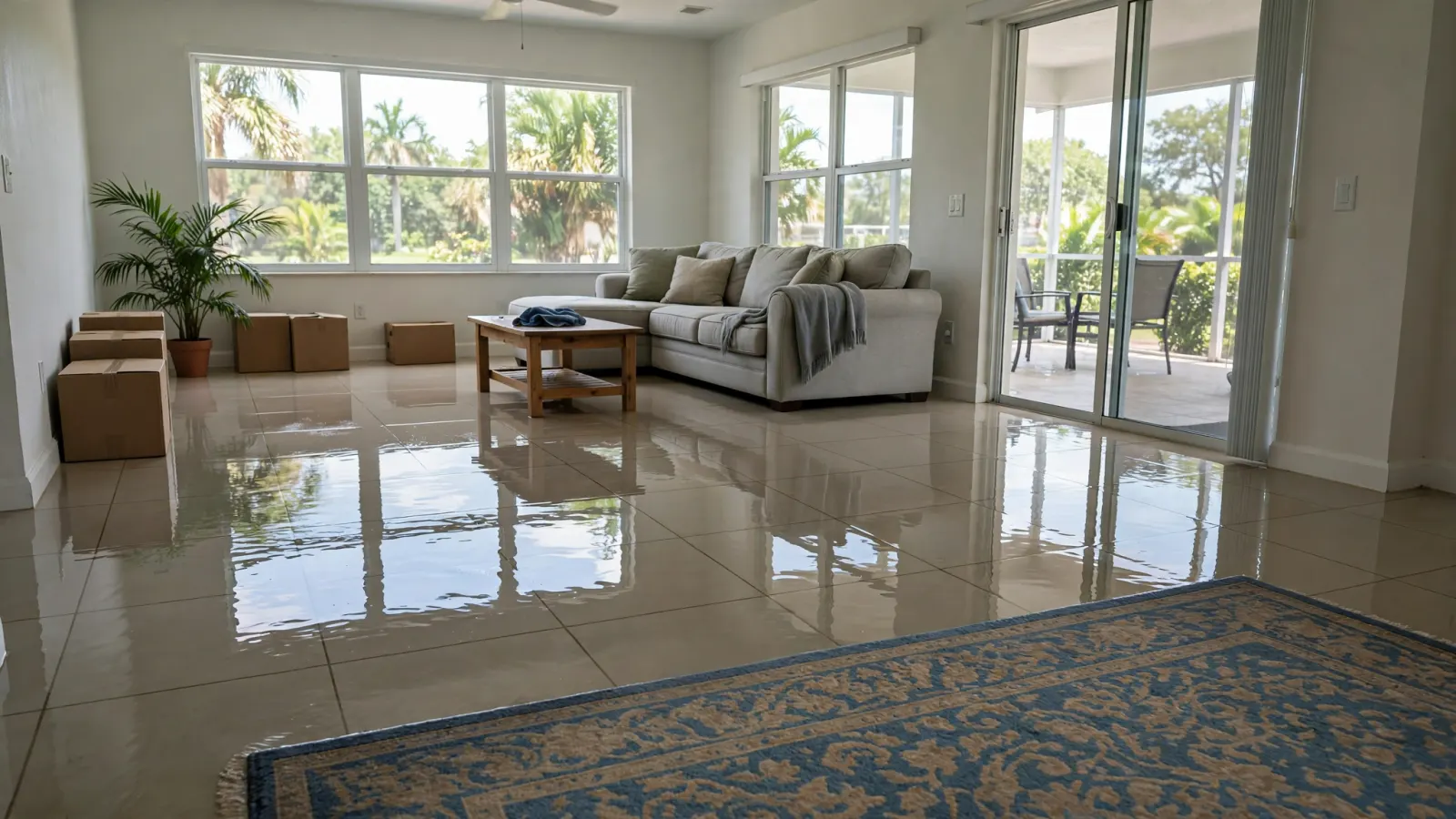
Standing water on the floor
Do this first
Stop the source and keep everyone out of water that is near outlets, cords or appliances.
Why it matters
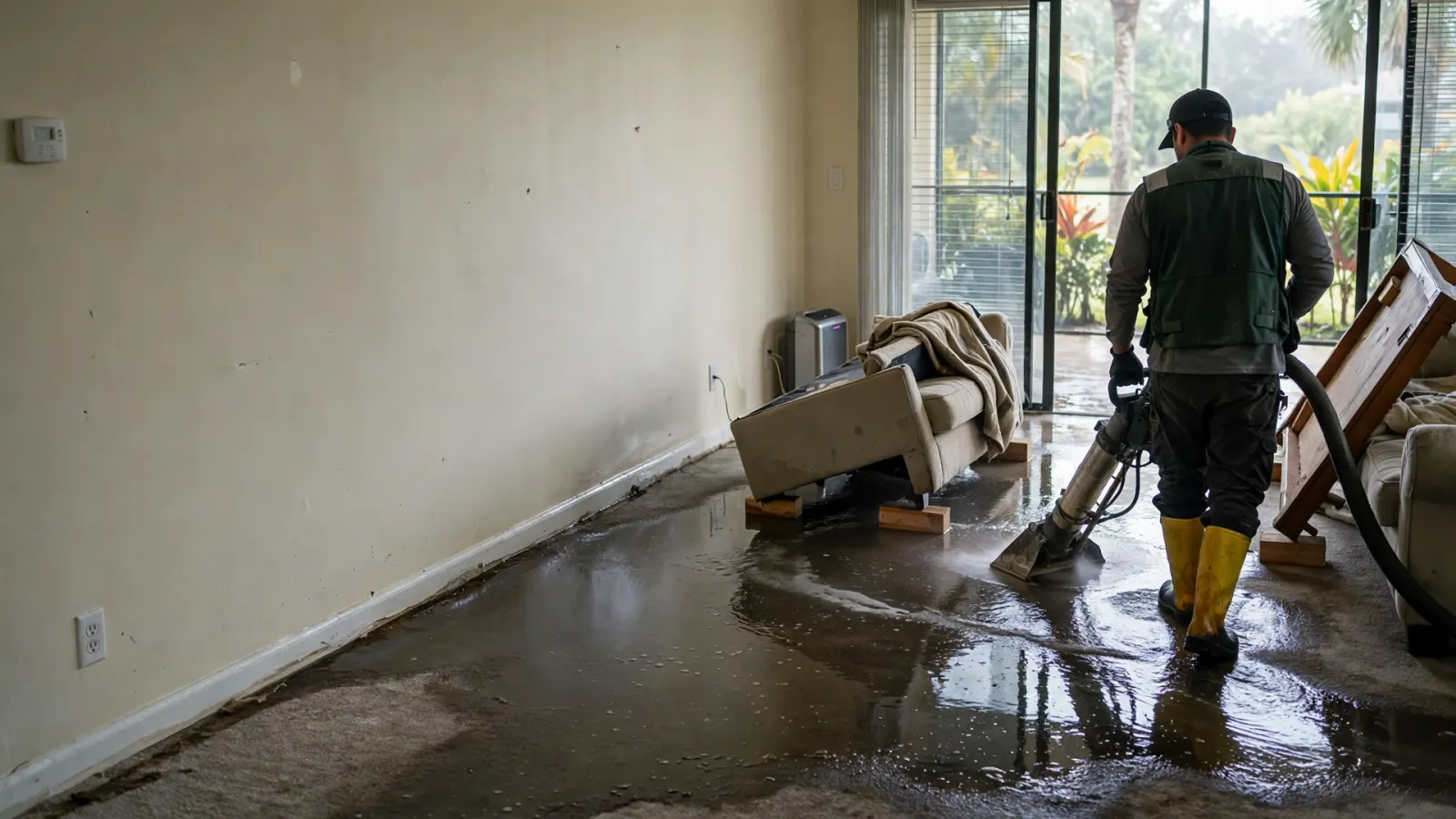
Extraction in the first hours limits how much flooring and drywall has to be torn out.
Services
Water, fire, mold and biohazard restoration in Fort Pierce
Four main services and 21 specialist services, all through one phone number. Pick a service for how the work is done, or open the Florida page for state rules.
Water Damage Restoration
15 specialist services · Florida rules
- Water Removal & ExtractionPumping, extraction, wet carpet
- Structural DryingDehumidifiers, air movers, drying logs
- Flood & Storm CleanupStorm surge, rising water, silt
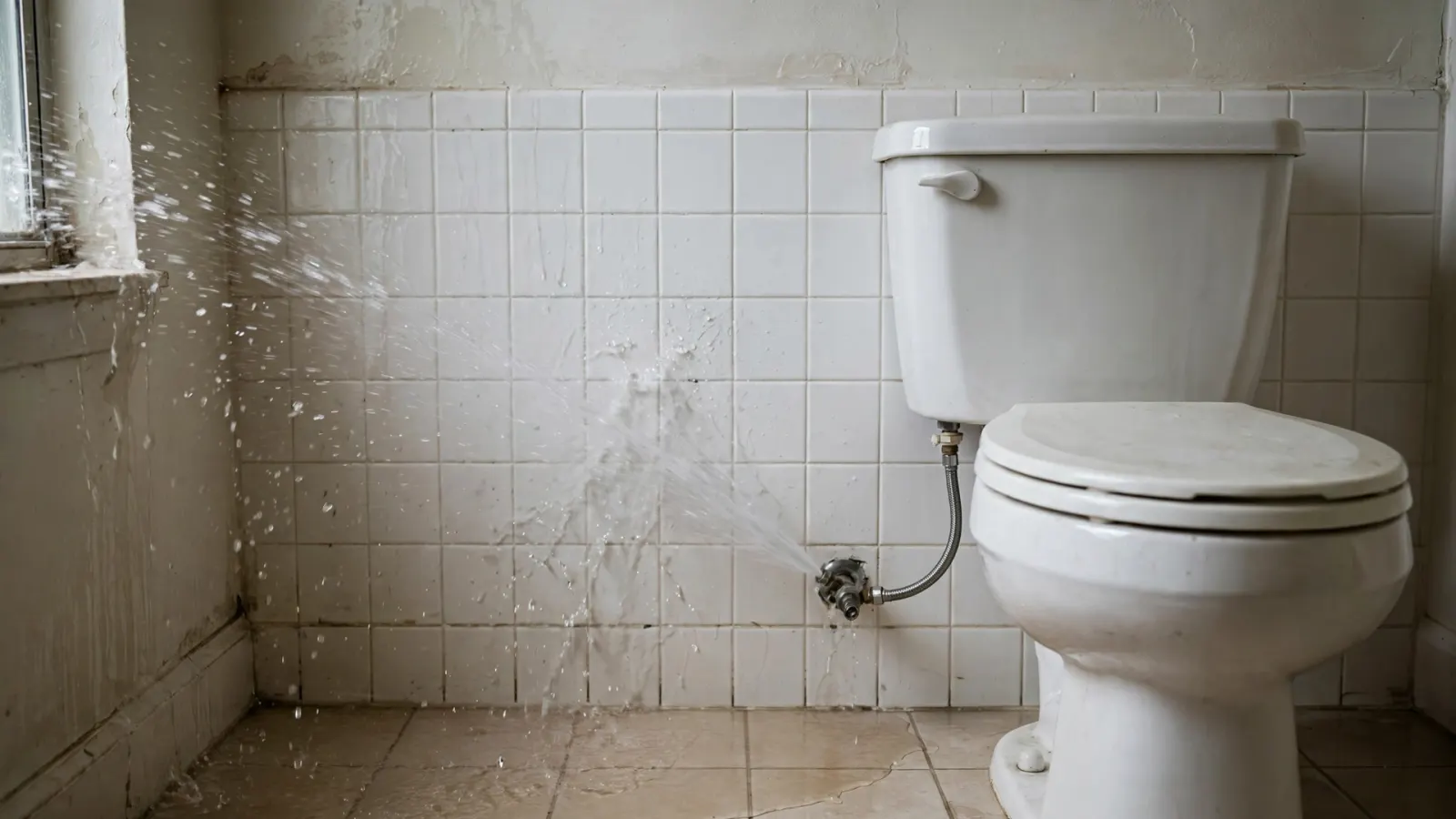
- Burst Pipes & Plumbing LeaksSupply lines, slab leaks, broken pipes
- Ceiling Damage & Roof LeaksCeiling stains and roof leaks
- AC & Air Handler LeaksDrain lines and air handler leaks
- Water Heater & Appliance LeaksWater heaters, washers, ice makers
- Sewage & Toilet Overflow CleanupCategory 3 backups and overflows
- Condo Water DamageUnit-to-unit leaks, association rules
- Commercial Water DamageOffices, retail, rental property
- Repair & ReconstructionDrywall, flooring, cabinets, paint
- Water MitigationContain the damage before it spreads
- Moisture DetectionMeters and thermal imaging
- Drywall & Wall DamageCut-outs, drying, replacement
- Hardwood & Laminate FloorsCupping, buckling, floor drying
Fire Damage Restoration
2 specialist services · Florida rules
Mold Remediation
2 specialist services · Florida rules
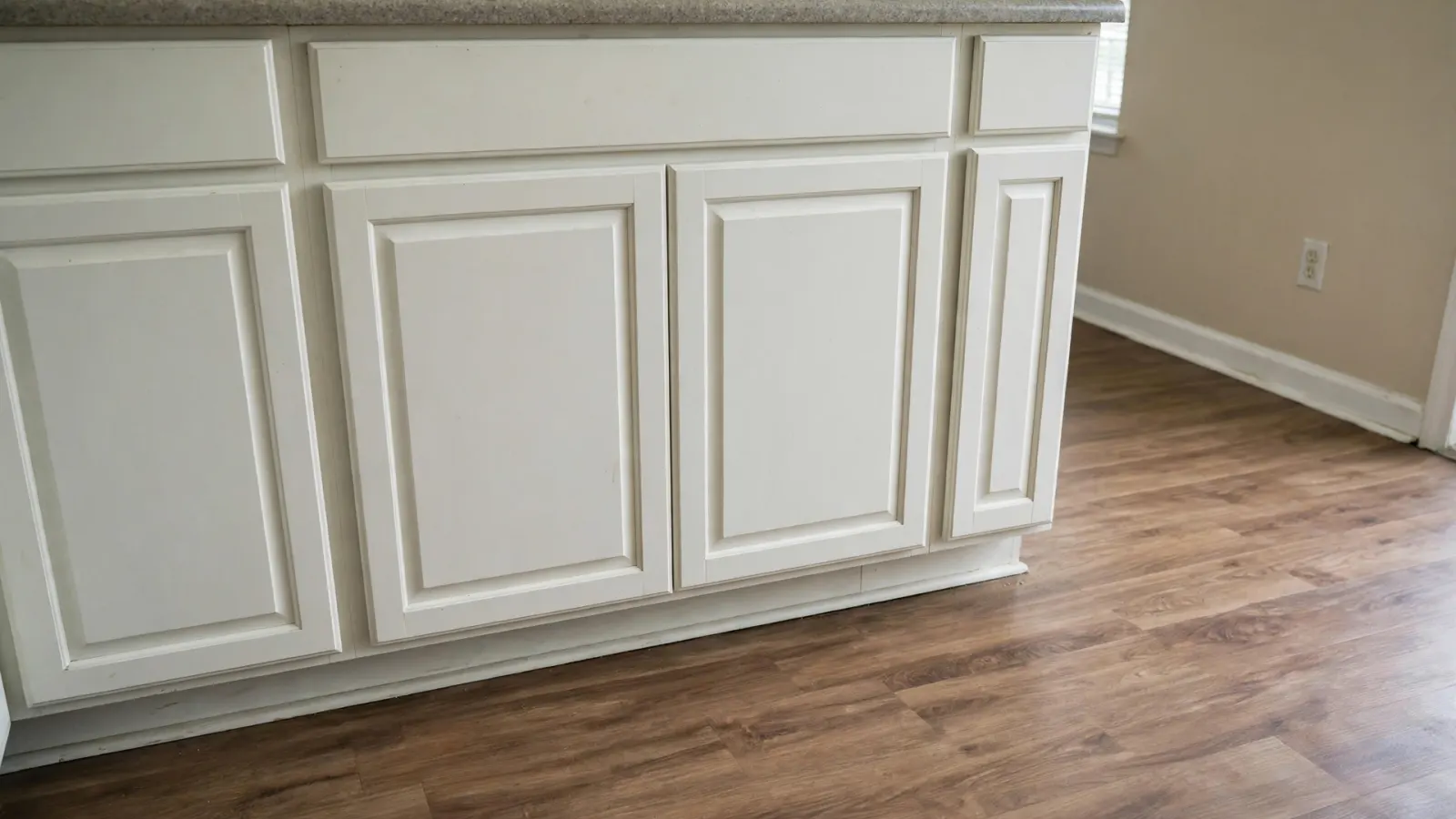
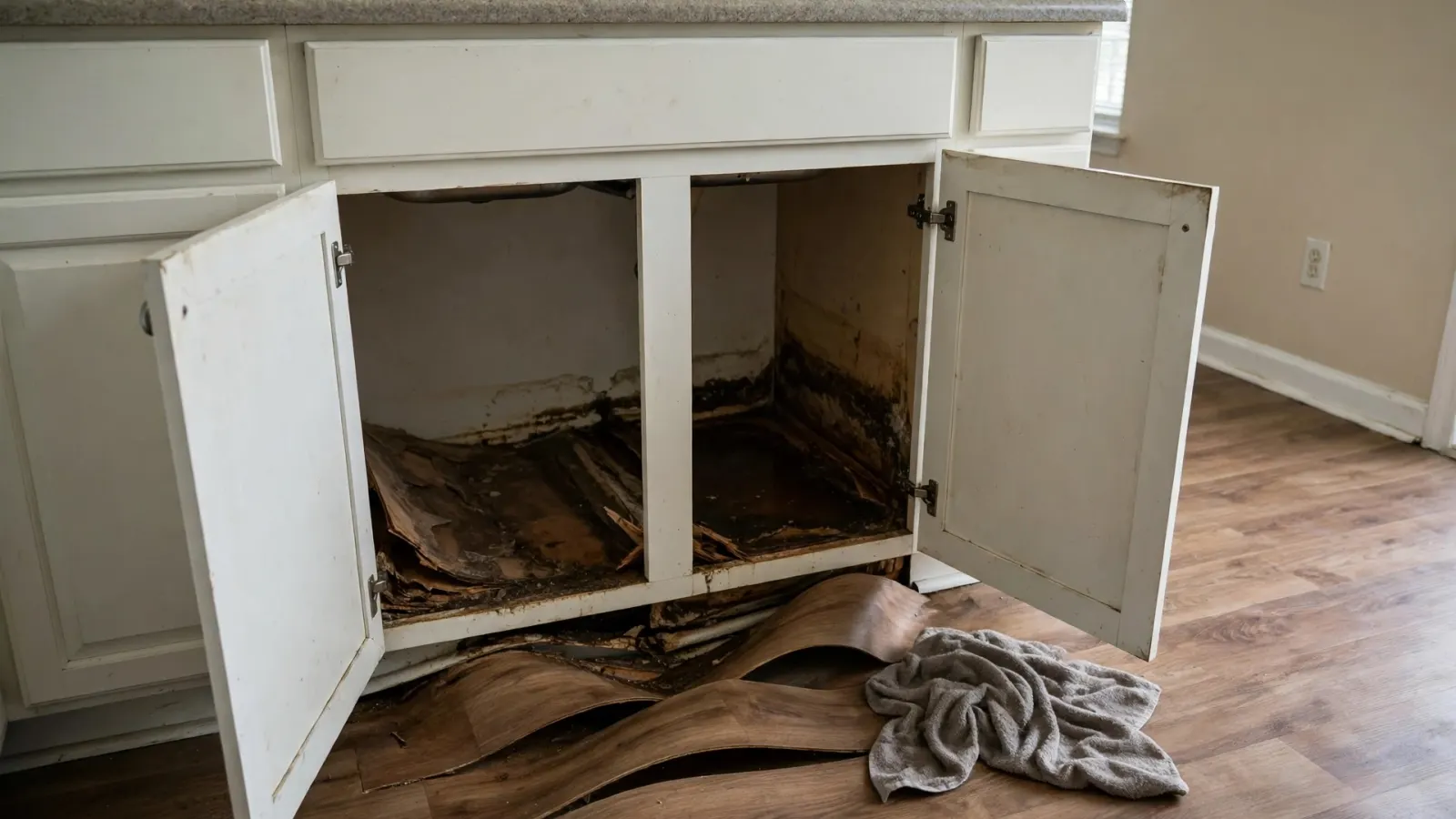
Before & after
From soaked to sound again
Drag the handle to see what extraction, drying and repair can achieve.
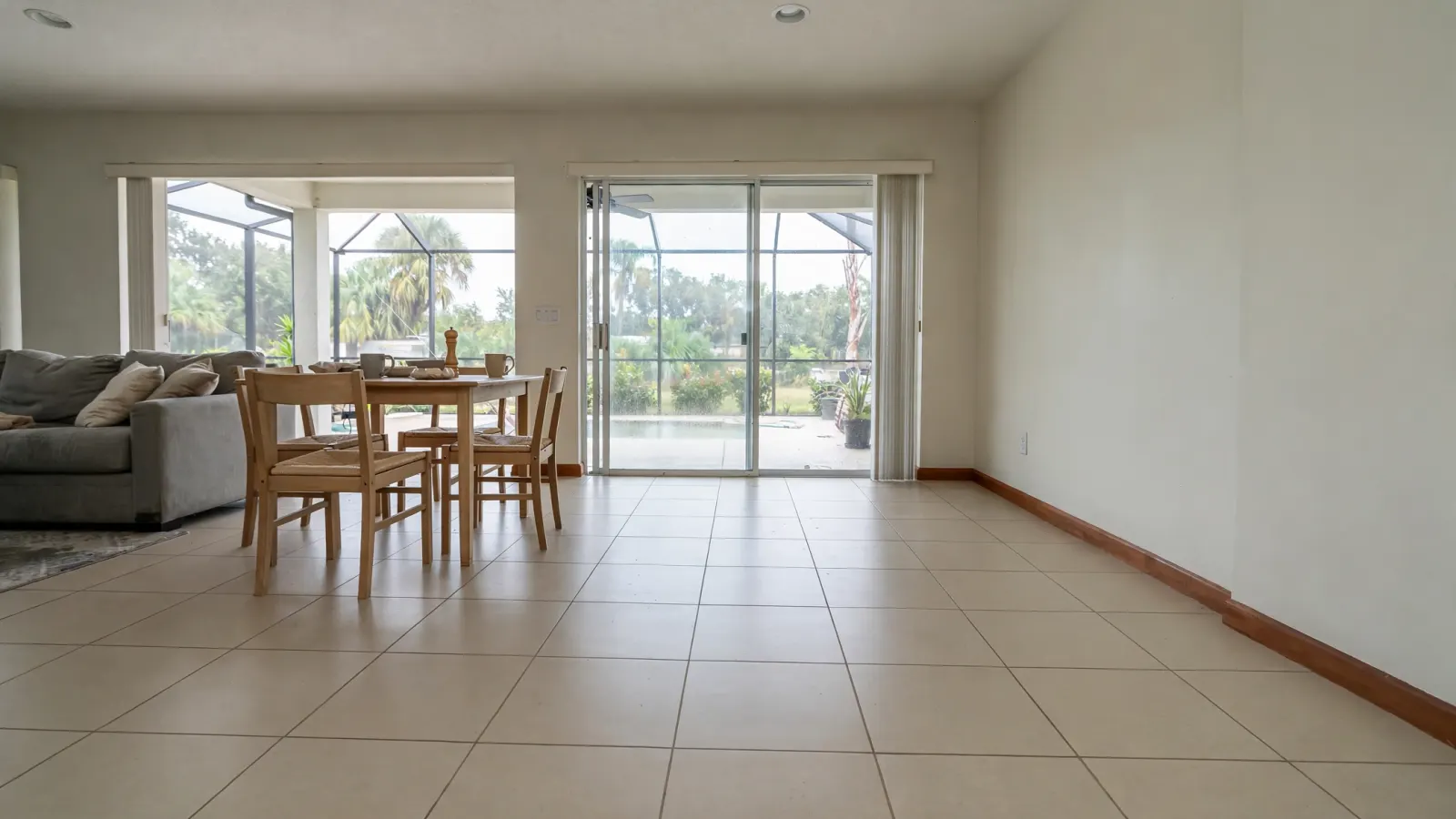
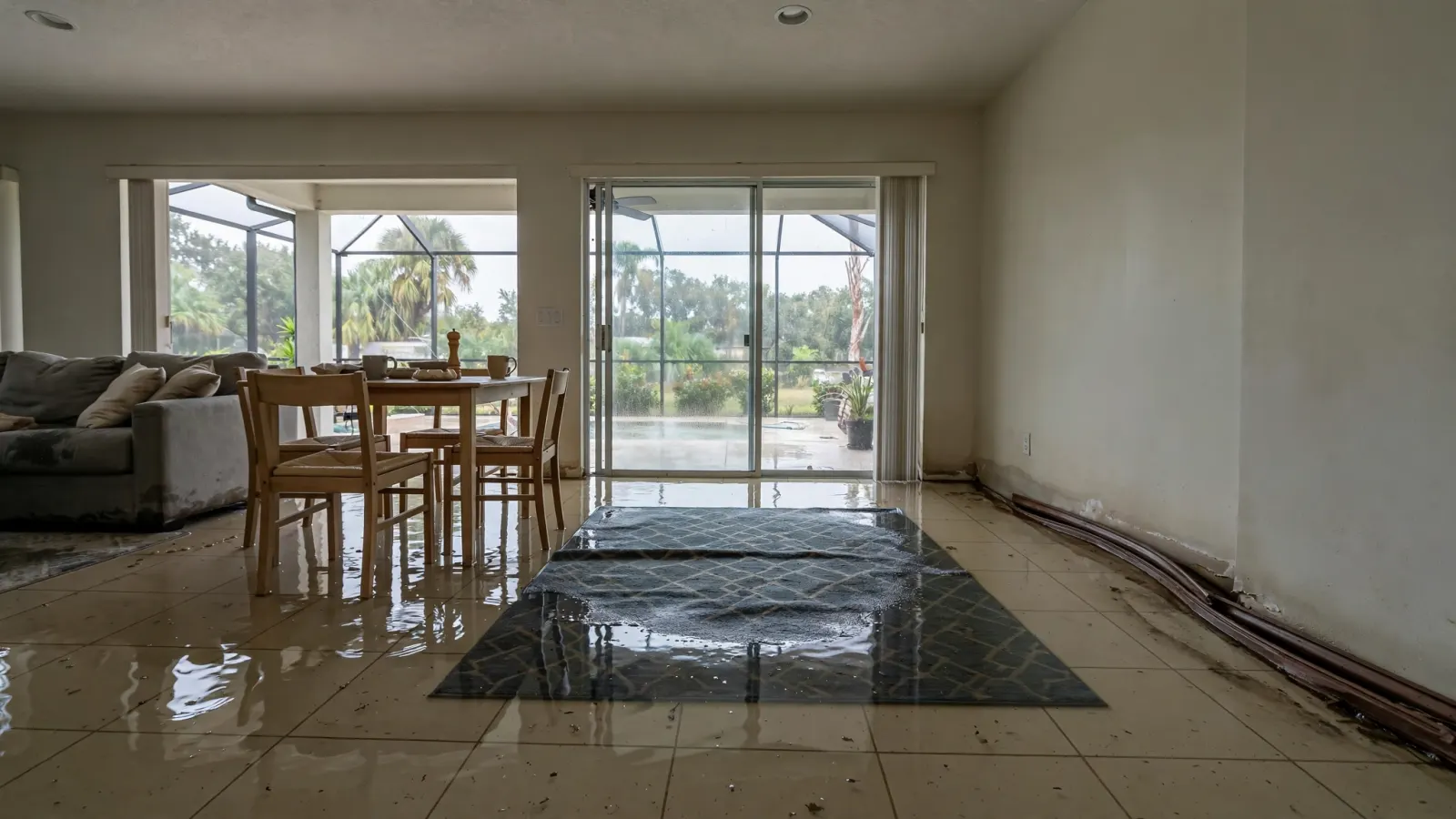
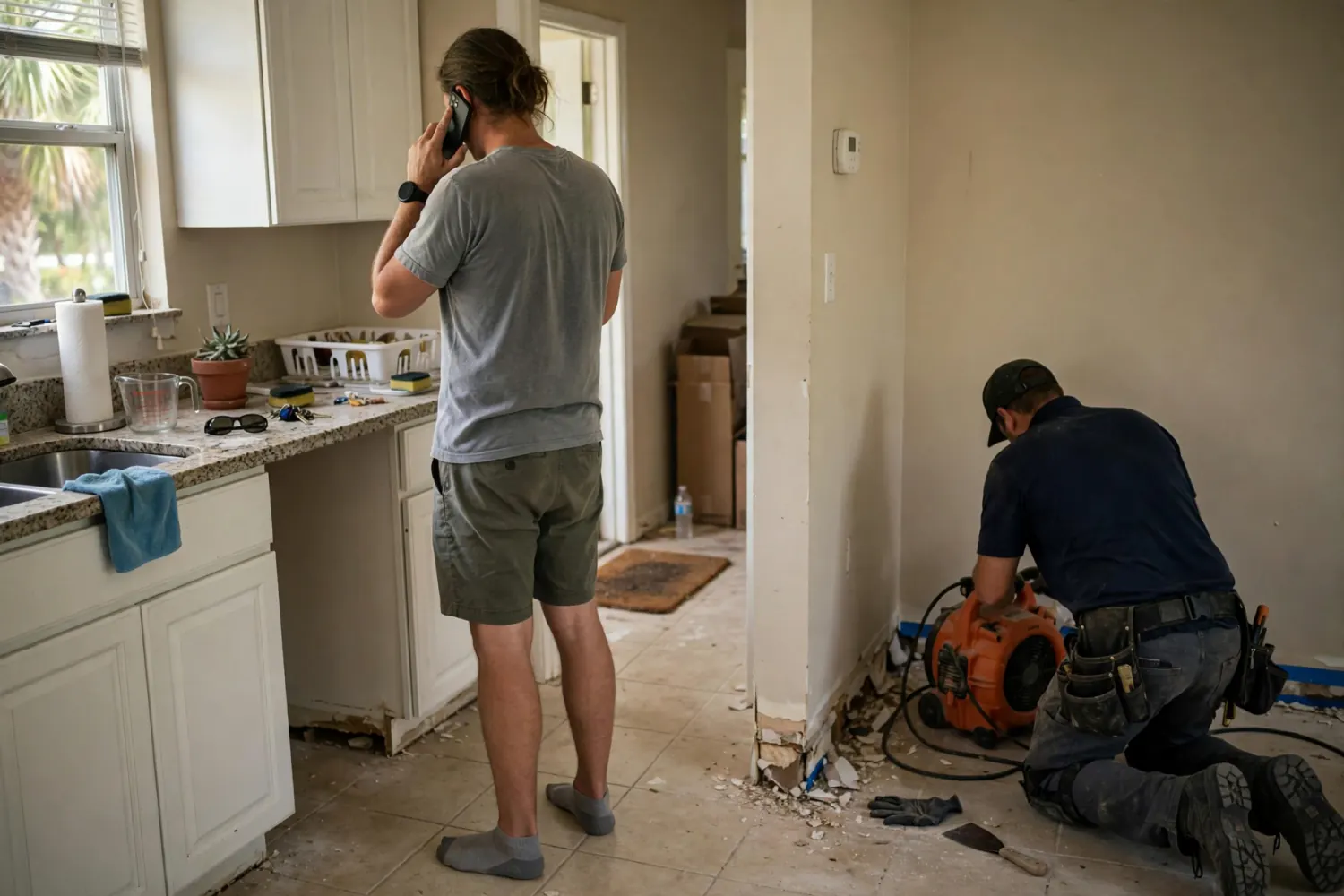
Project gallery
Inside water damage restoration work
Extraction, drying, storm cleanup, mold removal and rebuilding: what each stage of the job typically looks like in a Florida home.
Open any image and use the ← → arrow keys to browse.
How it works
Three steps to a local restoration crew
- 1
Call the number
Call (772) 218-9226. Say where you are, what's wet and whether water is still coming in.
- 2
Get connected
Your call goes to an independent restoration company that serves your part of St. Lucie County.
- 3
Inspection and plan
The company inspects, measures moisture, explains its plan, starts the work and documents everything for your insurer.
You are never obligated to hire the company. How referrals work.
Emergency checklist
Water still coming in? Do this now.
- 1Close the main water shut-off valve
- 2Switch off breakers to wet rooms if you can stay dry
- 3Lift furniture, rugs and electronics off the floor
- 4Photograph everything before cleanup starts
Water damage in Fort Pierce
What water damage restoration involves
Water damage restoration removes water from a building, dries the structure and contents to verified levels, and repairs what could not be saved. It has two phases: water mitigation (extraction, removing unsalvageable materials and structural drying) and water damage repair.
Speed matters. Materials that stay wet beyond roughly 24 to 48 hours are more likely to support mold, and Fort Pierce averages about 51 inches of rain a year in a humid climate. That's why emergency water extraction comes first.
Clean, gray and black water
Professionals classify water under the IICRC S500 standard: Category 1 (clean supply water), Category 2 (gray water such as washing machine discharge) and Category 3 (sewage and flood water). The category decides what can be dried in place. See the categories and classes guide.
Why hidden moisture matters
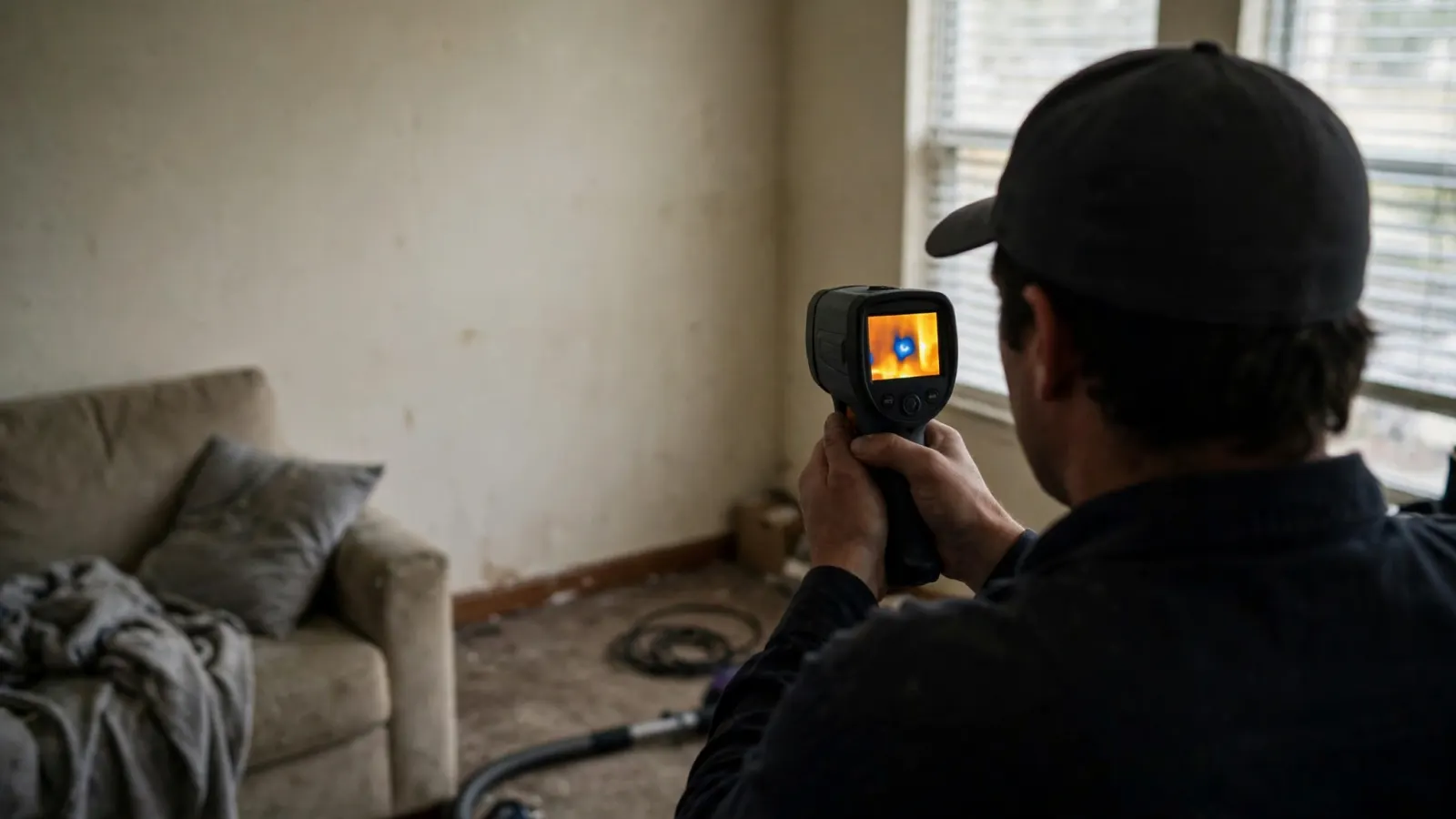
Water wicks into drywall and runs under tile and laminate. A documented moisture assessment shows where it went and when the structure is truly dry, which matters for wet drywall and wood floors.
Flood damage restoration
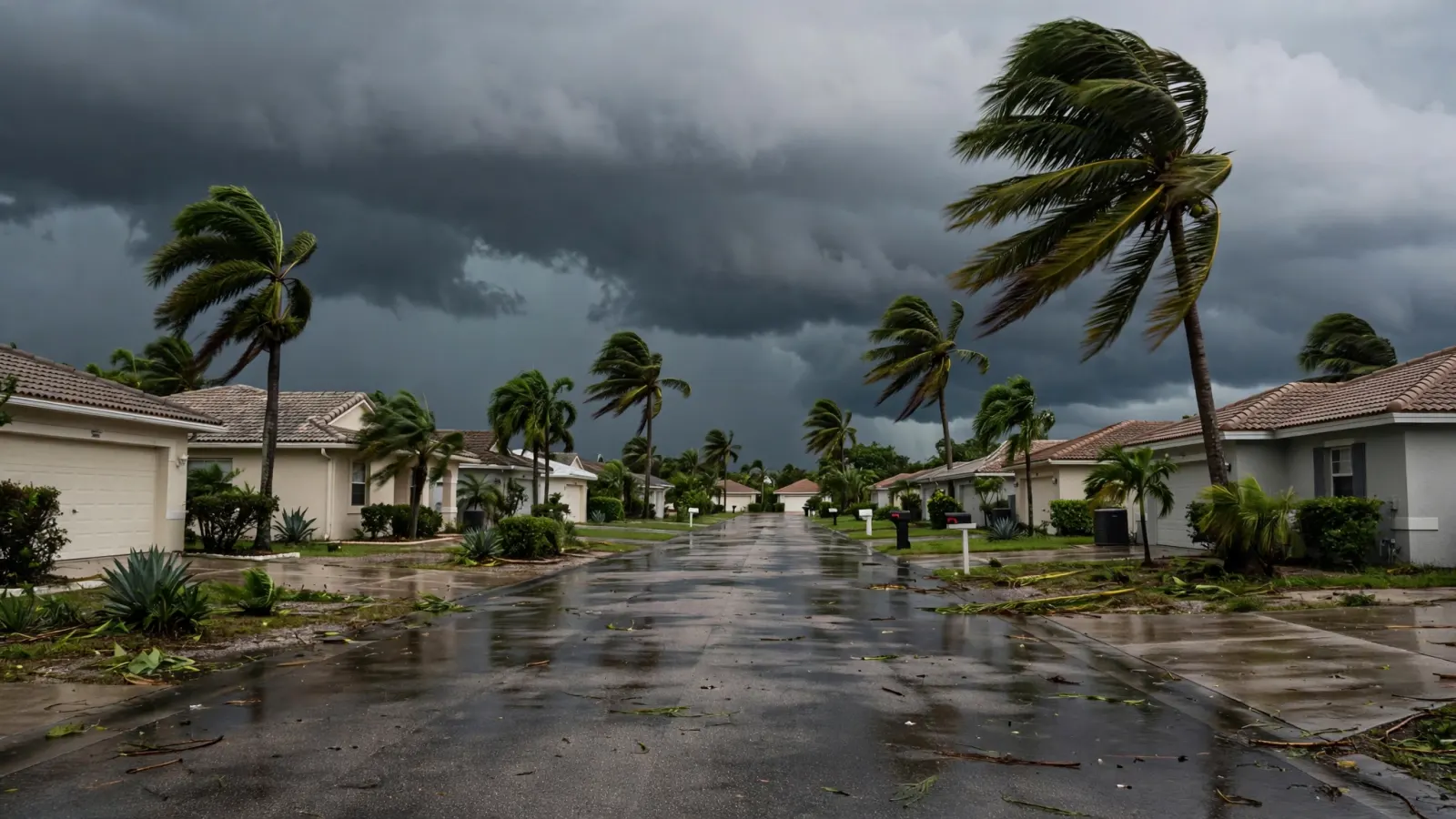
Fort Pierce knows what a bad storm can do
Hurricanes Frances and Jeanne came ashore near Hutchinson Island in 2004, and tornadoes from Hurricane Milton's outer bands struck northern Fort Pierce in 2024. The City of Fort Pierce names summer downpours and tropical systems as its two main flood sources.
Insurance
Florida water damage claims, simply explained
Sudden leaks vs. flooding
Burst pipes are commonly homeowners claims; rising flood water usually needs a separate flood policy.
No assignment of benefits
For Florida policies issued on or after Jan 1, 2023, contractors generally can't take over your insurance benefits.
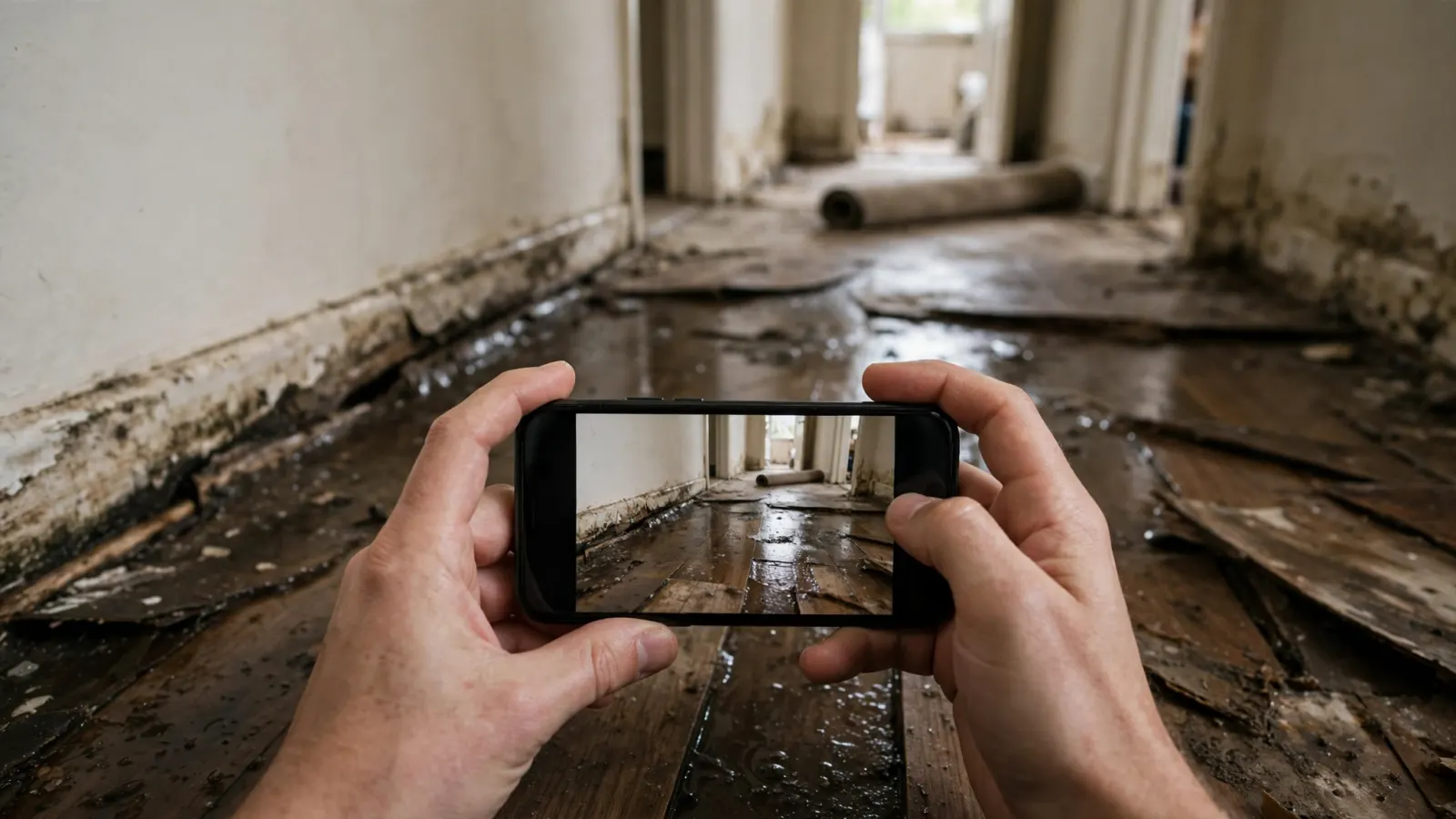
Document everything
Photos before cleanup, moisture maps, drying logs and receipts make claims smoother.
Service areas
Water damage cleanup across Fort Pierce and St. Lucie County
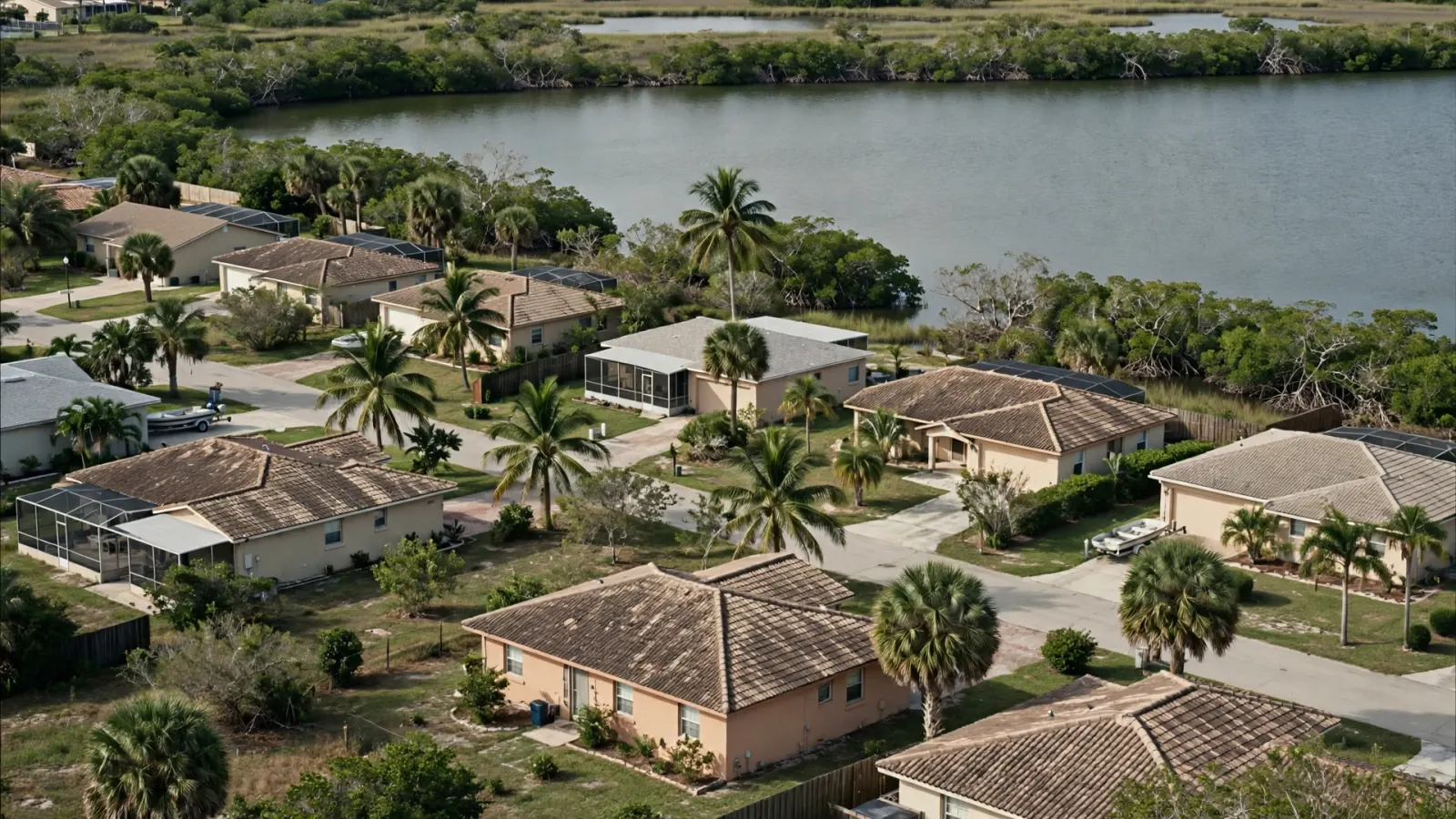
Start with the Fort Pierce local guide, or pick your neighborhood or community. Several places with Fort Pierce addresses are unincorporated, which affects who issues repair permits.
- Fort PierceCity
- DowntownNeighborhood
- Lincoln ParkNeighborhood
- Sunland GardensNeighborhood
- South BeachBarrier island
- Fort Pierce NorthCommunity
- Fort Pierce SouthCommunity
- Lakewood ParkCommunity
- St. Lucie VillageTown
- White CityCommunity
- Indian River EstatesCommunity
- River ParkCommunity
- Port St. LucieCity
- Hutchinson Island SouthBarrier island
Guides
Guides for Fort Pierce property owners
- What to Do in the First 24 Hours After Water DamageA step-by-step checklist for the first 24 hours after a leak or flood in a Fort Pierce home: safety, stopping the water, documentation and drying.
- Water Damage Insurance Claims in Florida: What Changed and What to DoHow Florida's insurance reforms affect water damage claims in Fort Pierce: the assignment-of-benefits ban, flood vs. homeowners coverage and records.
- Water Damage Categories and Classes, ExplainedThe IICRC S500 water damage categories and classes in plain English: clean, gray and black water, and how evaporation classes shape drying plans.
- Hurricane Season Prep to Limit Water Damage in Fort PiercePrepare a Fort Pierce home for hurricane season to limit water damage: roof, openings, drainage, documentation, flood insurance and what to do after.
- How to Choose a Water Damage Restoration Company in Fort PierceA checklist for hiring a water damage restoration company in Fort Pierce: licenses to verify, certifications, insurance, contracts and red flags.
- How Long Does Water Damage Take to Dry?How long water damage takes to dry by severity, why Florida humidity slows drying, and how moisture readings confirm a home is dry before repairs.
- Signs of Hidden Water Damage in Walls, Floors and CeilingsWarning signs of hidden water damage in walls, floors and ceilings, what each one usually means, and how to confirm a leak before it spreads.
- How to Shut Off Your Main Water ValveFind the main water shut-off in Fort Pierce and Port St. Lucie homes, learn how gate and ball valves close, and what to do when one is stuck.
- How to Prevent AC Condensate LeaksWhy AC air handlers leak water, how to keep the condensate drain clear, what overflow protection Florida code requires, and when to call a pro.
- Water Heater Leaking From the Bottom: Causes and What to DoWhy a water heater leaks from the bottom, how to tell a valve leak from a failed tank, safe shut-off steps, and when the heater needs replacing.
- Signs of a Slab Leak and What to Do NextHow to spot a slab leak in a Florida home: warm floor spots, running water sounds, high bills and damp flooring, plus how leaks are found and fixed.
- Is It Safe to Stay in a House With Water Damage?When it is safe to stay home after water damage and when to leave: electrical hazards, sewage, flood water, sagging ceilings, mold and drying gear.
- Can Wet Carpet Be Saved?When wet carpet can be dried and kept, when the pad or carpet must go, and how water source and drying speed decide it under EPA guidance.
- What to Do When Your Ceiling Is LeakingWhat to do when your ceiling is leaking: protect people and belongings, handle a bulging ceiling safely, find the source and document it.
- Are Water Leak Detectors Worth It?Water leak sensors, smart alarms and automatic shut-off valves compared, where to place them in a Florida home, and who benefits most.
- When to Replace Washing Machine HosesHow often to replace washing machine inlet hoses, warning signs of a failing hose, rubber versus braided hoses, and habits that prevent floods.
- How to Find Your Flood Zone in St. Lucie CountyLook up your FEMA flood zone in St. Lucie County, learn what AE, VE and X zones mean, and why a low-risk zone can still flood.
- Returning Home After a Flood: Safety First, Then CleanupHow to return home safely after a flood in St. Lucie County: structural, electrical, gas and generator hazards, what to discard and what to document.
- How Long Does Mold Take to Grow After Water Damage?How quickly mold can start after a leak or flood, why the EPA's 24 to 48 hour drying window matters, and early signs to watch for in Florida.
- Mold vs. Mildew: How to Tell the DifferenceMold vs. mildew: how each looks, where they grow in Florida homes, how to clean surface mildew safely, and when growth signals a moisture problem.
- Does Bleach Kill Mold?When bleach works on mold and when it does not, the CDC's safe mixing limit, why porous materials are removed, and safer cleanup steps.
- The Best Indoor Humidity to Prevent Mold in FloridaThe indoor humidity range the EPA recommends to prevent mold, how to measure it, and how Florida homes keep it down with AC and dehumidifiers.
- What to Do After a House FireWhat to do after a house fire in St. Lucie County: safe reentry, the fire report, insurance, securing the home, discarding food and smoke cleanup.
- How to Put Out a Grease Fire SafelyHow to put out a small grease fire: cover the pan, turn off the burner, never use water, handle oven fires safely, and know when to leave.
- How to Clean Up Mouse and Rat Droppings SafelyThe CDC method for cleaning mouse and rat droppings: ventilate, wear gloves, soak with disinfectant, never sweep or vacuum, and when to call a pro.
- What to Do When Someone Dies at Home in FloridaWhen someone dies at home in Florida: who to call for expected and unexpected deaths, the medical examiner's role, funeral steps and home cleanup.
FAQ
Water damage questions people ask
Still unsure? Describe the problem on the phone and you will be connected with a restoration company serving your area.
Where can I find water damage restoration near me in Fort Pierce?
Call (772) 218-9226. You'll be connected with an independent water damage restoration company that serves Fort Pierce and nearby St. Lucie County communities.
Who does emergency water extraction in Fort Pierce?
Water damage restoration companies with truck-mounted or portable extractors and pumps. Call the number on this page and close the main water valve while you wait.
Is this website a restoration company?
No. Water Damage Fort Pierce FL is a referral service. The independent company you're connected with comes out, inspects, performs and warrants the work.
Who can help with flood damage restoration near me?
Restoration companies handle flood cleanup, removal of contaminated materials and drying. Rising flood water is usually a flood-insurance claim.
What is water mitigation?
The first phase of a water damage job: stopping the source, extracting water, removing what can't be saved and drying the structure.
Can you help with water damage cleanup in Fort Pierce, FL today?
Many restoration companies respond the same day; availability depends on the provider and on regional demand after storms.
Do you cover fire damage restoration in Fort Pierce?
Yes. Referrals include fire and smoke damage, including the water left behind by firefighting.
What should I do while I wait for help?
Close the main water valve, switch off power to wet rooms if it's safe, move valuables off the floor, photograph everything and call your insurer.
Does insurance cover water damage in Florida?
Sudden, accidental leaks are commonly covered. Flooding usually needs a separate flood policy. For policies issued on or after Jan 1, 2023, you generally can't assign benefits to a contractor.
How long does it take to dry a house after water damage?
Often several days with professional equipment, ending when moisture readings reach the dry standard.
Can water damage cause mold in Fort Pierce homes?
Yes. Materials that stay wet beyond roughly 24 to 48 hours can support mold, especially in a humid climate.
Which areas do you cover?
Fort Pierce and nearby communities including Port St. Lucie, Lakewood Park, Fort Pierce North and South, St. Lucie Village, White City, Indian River Estates, River Park and Hutchinson Island.
Does the restoration company need a license in Florida?
Mold remediation over 10 square feet requires a DBPR mold license, and construction repairs require Chapter 489 licensing. Verify at myfloridalicense.com.
How do I get water damage restoration in Fort Pierce and St. Lucie County?
Call (772) 218-9226. You will be connected with an independent water damage restoration company that serves Fort Pierce and St. Lucie County. Tell them what happened and they can arrange a visit to assess the damage and start the work.
What happens after I call about water damage restoration in Fort Pierce and St. Lucie County?
The company asks a few questions about the damage, then arranges a visit to inspect it, explain its plan and get the work started. You decide whether to hire them.
Can a water damage restoration crew come out right away in Fort Pierce and St. Lucie County?
Many restoration companies answer emergency calls around the clock, but availability depends on the company and on demand, especially after storms. Call as soon as you can and say how urgent it is.
Talk to a water damage restoration company serving Fort Pierce
One call connects you with a local company that can come out and start the work. No obligation to hire. Verify Florida licenses before you sign.